
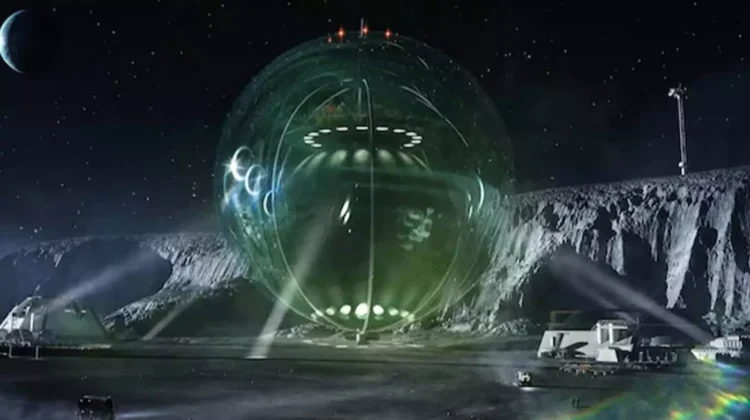
NASA has revealed an ambitious vision that could change the future of space exploration — giant glass domes on the Moon designed for human habitation. The plan, which sounds like something straight out of science fiction, might soon become a reality as researchers move closer to turning lunar dust into architecture.
According to The Telegraph, NASA is funding a groundbreaking project that aims to construct large, interconnected “lunar glass” bubbles on the Moon’s surface. The initiative would use lunar regolith — the dust, rock, and mineral fragments covering the Moon — as the primary material to create self-sustaining, transparent domes capable of supporting human life.
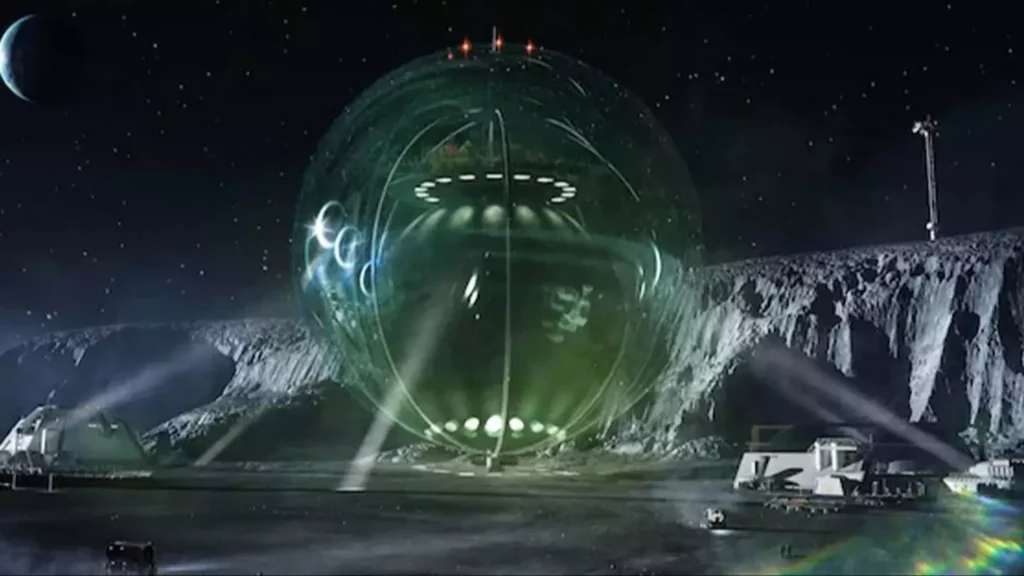
The concept is being led by Skyeports, a California-based company headed by Dr. Martin Bermudez, an architect turned space visionary. His goal: to design habitable glass cities on the Moon and, eventually, in orbit or on Mars.
“You’ll never replicate Earth,” Bermudez said, “but this gets pretty close — and one day, we could even put them into orbit.”
Bermudez became fascinated by the potential of lunar regolith after learning it could be melted and reshaped. “At first, people told me glass would be too brittle,” he explained. “But after consulting with NASA scientists, we realized it could be strengthened — even becoming more durable than steel.”
Here’s how it works: astronauts would collect regolith from the Moon’s surface and feed it into a microwave furnace, where it would be superheated to create glass. This glass could then be inflated into massive domes — “bubbles” — forming the outer structure of future lunar habitats. Researchers are also experimenting with special polymer glass that can “self-heal” minor cracks and withstand extreme temperatures and radiation.
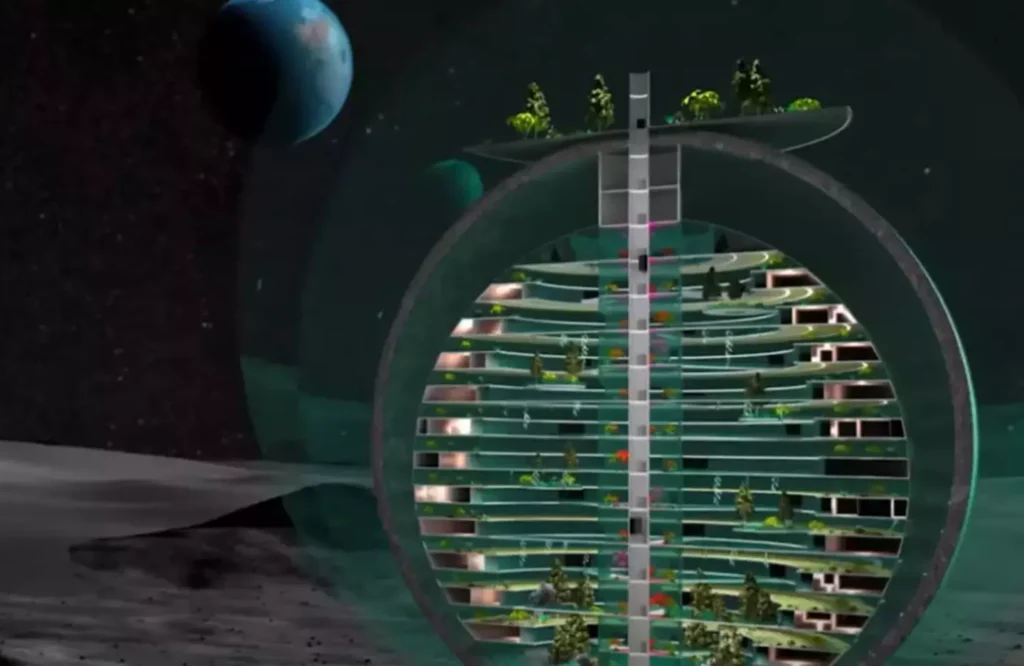
If successful, these transparent lunar structures could eventually be connected into entire “moon cities”, offering protection from cosmic radiation, micrometeorites, and temperature extremes — while letting light filter in for a near-Earth experience.
This vision represents more than just architecture — it’s a potential turning point in humanity’s journey toward living beyond Earth. What once seemed like science fiction could soon define the next era of exploration.
Leave a Reply