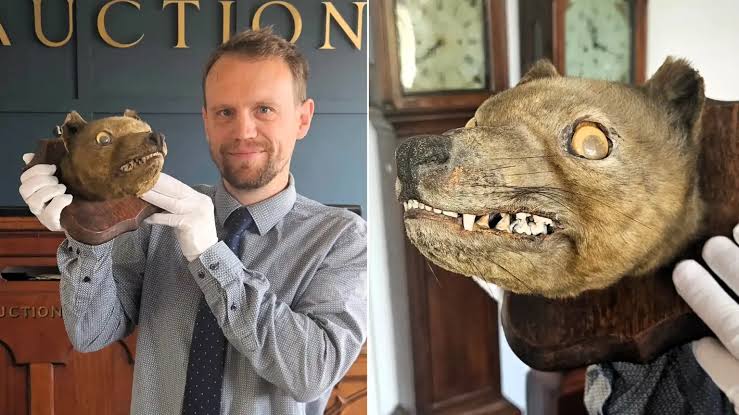
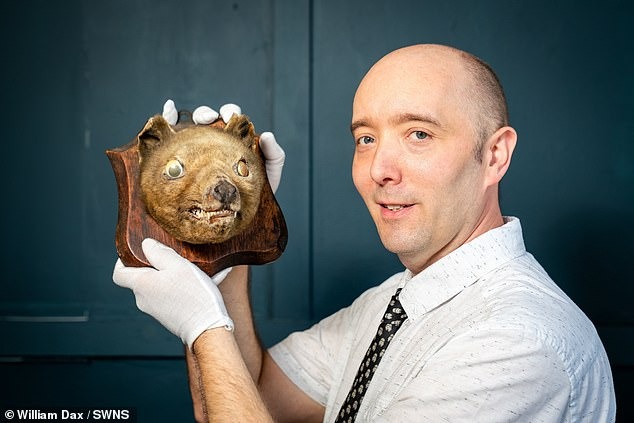
Someone paid £50 for a taxidermy “fox head” at a West Country antiques fair because its slightly ridiculous googly eyes made them laugh. Weeks later, it sold at auction for £60,000 — after two sharp-eyed bidders independently realized it wasn’t a fox at all, but the head of a thylacine: the extinct Tasmanian tiger.
A Mislabeled Rarity
The mount had been catalogued at Bristol’s Auctioneum Ltd with a guide price of just £30–50, filed among general bric-a-brac and pottery ahead of the sale. That changed when James Cranfield, a 38-year-old taxidermy and natural history collector from Essex, spotted the online listing and thought something looked off.
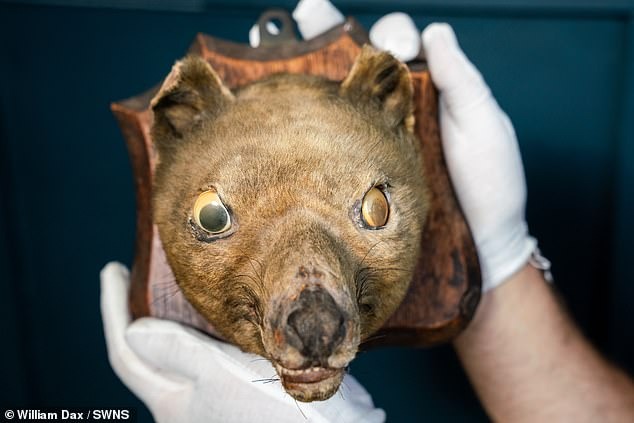
“The more I looked at it over a period of about ten days… I was adamant it was a thylacine,” Cranfield has said. Unable to confirm it from photos alone, he got up at 4am on auction day and drove three and a half hours to inspect it in person before bidding began.
A Bidding War Nobody Expected
Cranfield wasn’t the only one who’d worked it out. According to auctioneer Andrew Stowe, speaking to the BBC, a second bidder in the room had independently reached the same conclusion, and the pair drove the price up rapidly once bidding opened — a rare sight at in-person auctions today, where most bidding now happens online. “The room went silent, everyone crowded in to watch,” Stowe said. “It was an amazing moment to witness.”
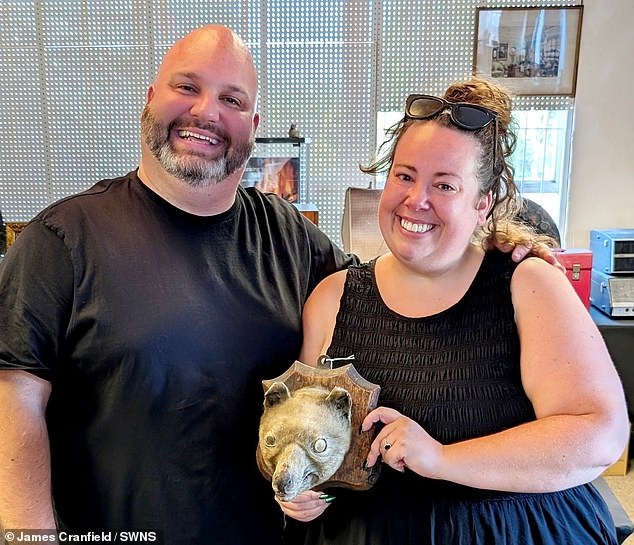
The hammer eventually fell at £50,000, bringing the total to just over £60,000 once buyer’s fees were added.
“When we told the vendor how much it had sold for, I thought they were about to pass out,” Stowe said. “I actually had to offer them a chair.”
Why This Specimen Is Such a Big Deal
The thylacine, a carnivorous marsupial once native to Australia, Tasmania, and New Guinea, went extinct after a combination of aggressive hunting (encouraged by government bounties that treated it as a threat to livestock), habitat loss, and introduced disease. The last confirmed thylacine died at Hobart Zoo in Tasmania in 1936.
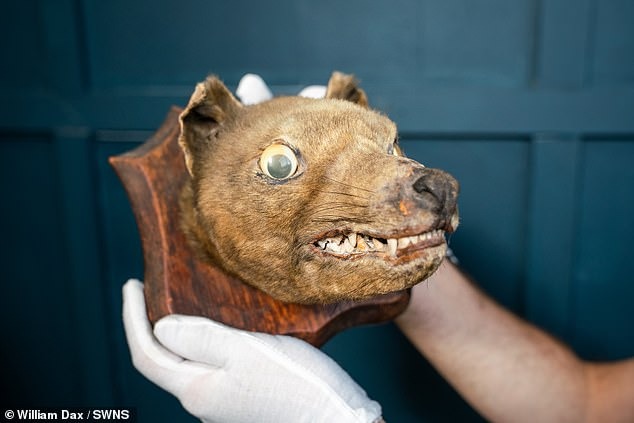
Of the roughly 756 documented thylacine specimens known to exist worldwide, only around 101 are taxidermy mounts — and complete, well-preserved heads are especially rare, since most surviving pieces are skins that were made into rugs. Cranfield has described this mount as the only complete thylacine head currently known to exist anywhere, calling it “the find of multiple lifetimes.”
Attempts to formally appraise the piece at other auction houses reportedly came back inconclusive on value. “It is priceless,” Cranfield said. “There is nothing else to benchmark it against.”
What Happens to It Now
Rather than keeping the discovery private, Cranfield says he intends to make the head available for scientific study. “I just want everyone to know it exists so academics and scientists can contact me to study it,” he said, adding that he hopes to loan it to research institutions and, potentially, museums.
Frequently Asked Questions
Is it possible to bring the thylacine back from extinction using specimens like this? This particular find is a taxidermy mount rather than genetic material, so it’s primarily valuable for research and historical documentation rather than any de-extinction effort — those projects rely on preserved DNA from separate specimens, typically skins or bones.
How can a mounted animal head go unidentified for so long? Thylacine heads are extremely rare and visually similar enough to a large fox or dog at a glance — especially in poor lighting or when heavily aged — that without close inspection of the teeth and skull structure, a mislabeling like this can persist for decades.
Why were thylacines hunted to extinction in the first place? 19th-century European settlers in Tasmania viewed them as a threat to sheep farming and offered government-backed bounties for their killing, a campaign that combined with habitat loss and disease to wipe out the species by the 1930s.
Sources: ABC News (Australia), Yahoo News, and SWNS news agency coverage, cross-referenced above.
Leave a Reply