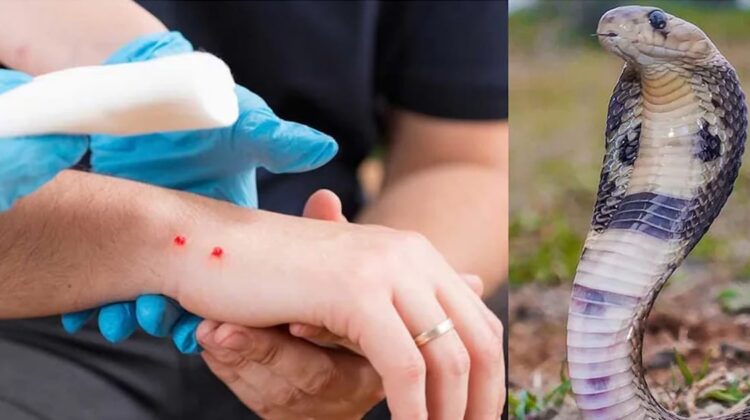
A snake bite is frightening, but it’s rarely fatal when treated quickly. Of the 7,000 to 8,000 people bitten by venomous snakes in the United States each year, about five die, according to the Centers for Disease Control and Prevention (CDC), and the CDC says deaths would be much higher if people did not seek care.
The key is to know what to do, and what not to do.
Step 1: Get Away and Call for Help
Move out of the snake’s reach, and don’t try to catch or kill it. The CDC says never to pick up or trap a snake, even a dead one. In the United States, dial 911 or your local emergency number right away, and don’t wait for symptoms to appear. You can also call Poison Control at 1-800-222-1222 for advice.
Step 2: Stay Calm and Still
Keep the bitten person as calm and still as possible. According to the CDC, this can slow the spread of venom. Sit or lay the person down, with the bite at or slightly below the level of the heart. Don’t raise the bitten limb above the heart.
Step 3: Note the Details
If you can do it safely and without delay, note the time of the bite and the snake’s color and shape, or take a photo from a distance. This helps medical teams choose treatment. Don’t risk another bite to do this.
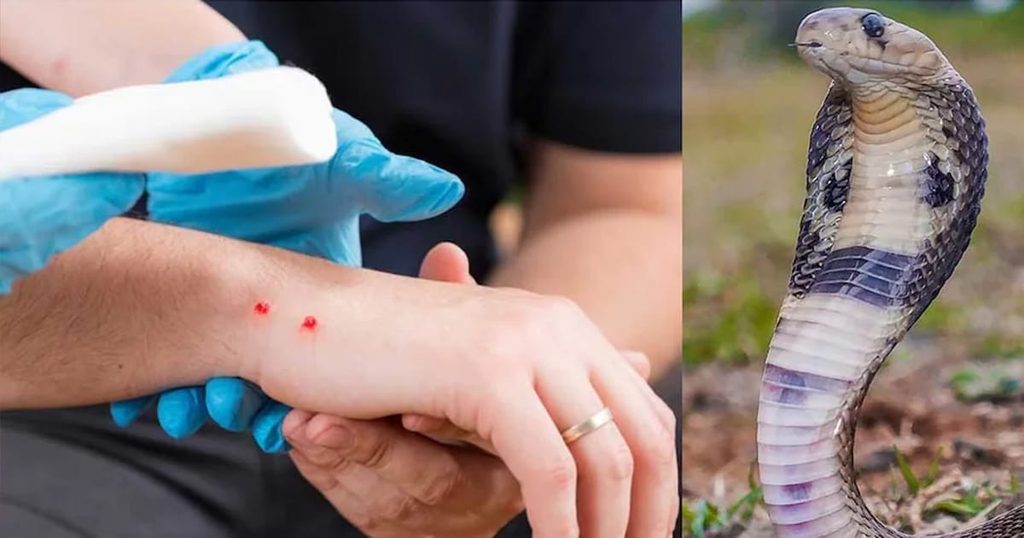
Step 4: Remove Tight Items
Take off rings, watches and tight clothing near the bite before swelling starts. The CDC also advises washing the wound with soap and water.
Step 5: Get to a Hospital
Treatment, including antivenom in serious cases, must be given by medical professionals. If you’re alone in a remote area, call for help if you can and begin moving toward assistance, keeping the bitten limb as still as possible.
What Not to Do
Several old remedies can cause harm:
- Don’t cut the wound or try to suck out venom.
- Don’t use a snakebite kit. The CDC and doctors say to skip them.
- Don’t apply a tourniquet or ice.
- Don’t drink alcohol or caffeine.
- Don’t take aspirin, ibuprofen or naproxen, which can increase bleeding risk.
Can You Tell If a Snake Is Venomous?
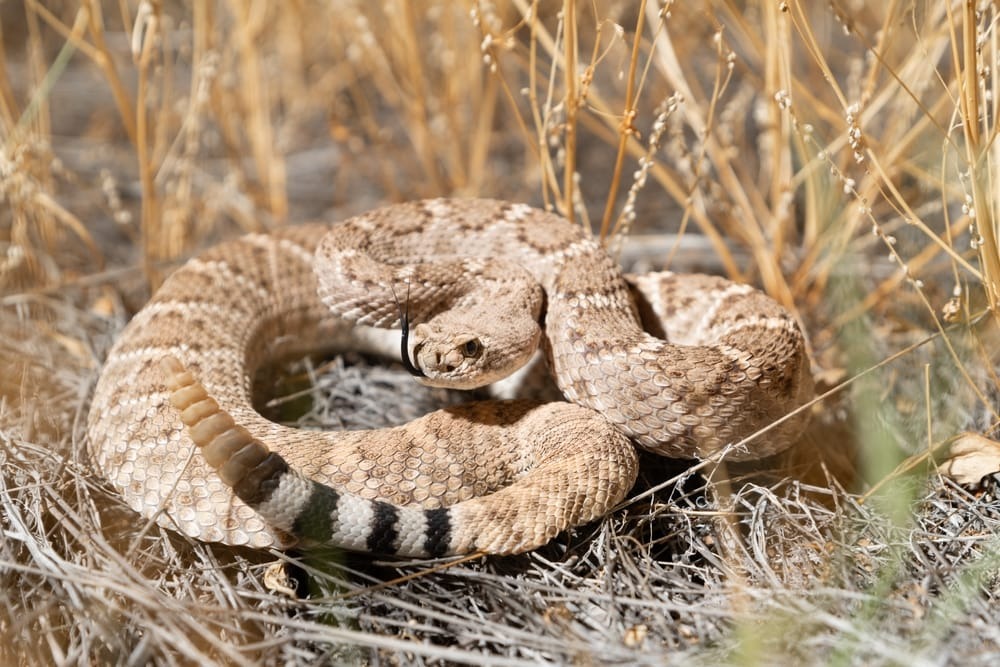
Venomous snakes in North America, such as rattlesnakes, copperheads and cottonmouths, are pit vipers with triangular heads and slit-shaped pupils. Coral snakes are different, with rounded heads and round pupils. But you shouldn’t get close enough to check, and the safest approach is to treat every bite as an emergency until a medical professional says otherwise.
Reducing Your Risk
- Watch your step. Look carefully when walking through tall grass, rocky areas or near water.
- Wear protection. Sturdy boots and long pants offer a barrier.
- Back away slowly. If you see a snake, give it space and never taunt it.
- Use a flashlight at night. It’s easy to miss a snake in the dark.
- Call animal control. If a snake is in or near your home, contact local animal services.
Be Prepared for the Outdoors
A little preparation goes a long way on trails and in remote areas:
- Pack a first-aid kit. Compare wilderness first-aid kits with items for general emergencies.
- Carry a way to call for help. Satellite communicators and personal locator beacons work where phones don’t.
- Wear the right gear. Snake-proof hiking boots and gaiters add protection.
- Take a course. Wilderness first-aid classes teach emergency skills.
- Protect your trip. Travel insurance with medical evacuation cover matters on remote trips.
Frequently Asked Questions
What should I do first if I’m bitten by a snake? Move away from the snake, call 911 or your local emergency number, keep still and calm, and keep the bite at or slightly below heart level.
Should I use a snakebite kit? No. Doctors and the CDC say not to use them.
Should I try to identify the snake? Only if you can do so safely, by noting its color and shape or taking a photo from a distance.
How many people die from snake bites in the U.S.? About five of the 7,000 to 8,000 people bitten each year, according to the CDC.
Sources: Centers for Disease Control and Prevention, Scripps Health, Denver Health, and Discover Magazine, all covering first aid for venomous snake bites, what not to do, and snake bite statistics in the United States.
Leave a Reply