High in the stratosphere miles above the North Pole, an atmospheric fortress of wind normally strengthens quietly throughout autumn. Right now, however, forecasters are watching it wobble weeks ahead of schedule—triggering warnings of a historic breakdown that could reshape weather patterns for the next two months.
An Atmospheric Whirlpool Wobbling Ahead of Schedule
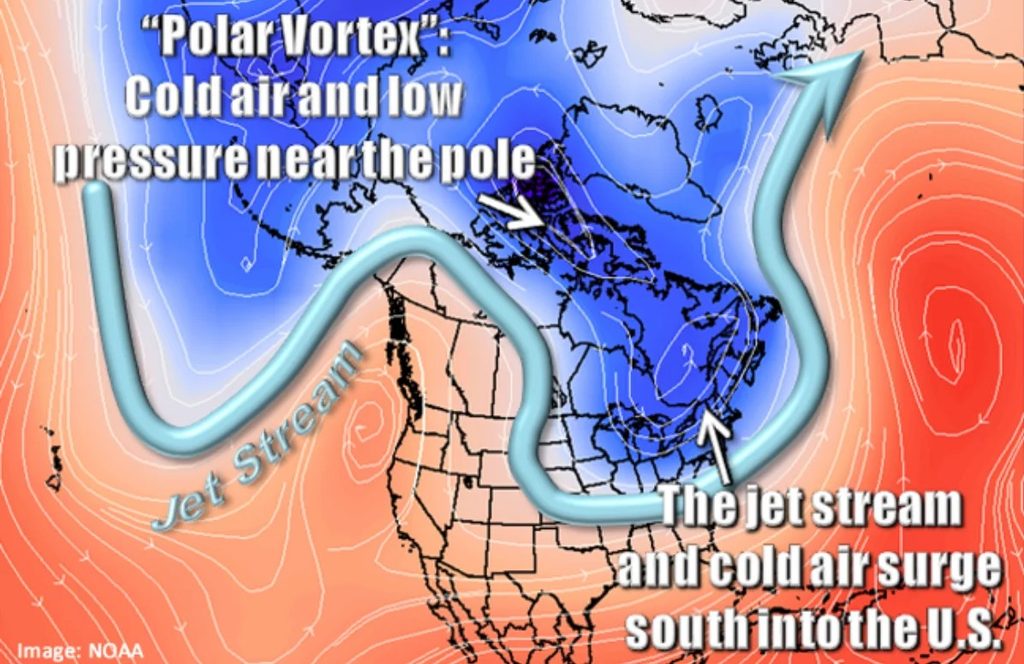
The polar vortex is a powerful band of stratospheric winds circling the Arctic every winter, locking the planet’s coldest air high above the pole until December or January. In its updated November outlook, the National Oceanic and Atmospheric Administration’s (NOAA) Climate Prediction Center warned that atmospheric swells bumping into the vortex from below could trigger a sudden stratospheric warming (SSW) within days. NOAA meteorologist Laura Ciasto noted this “very rare” November event could become the earliest major SSW since modern records began in the 1950s.
When Arctic Freezes Meet a Historic Pacific Force
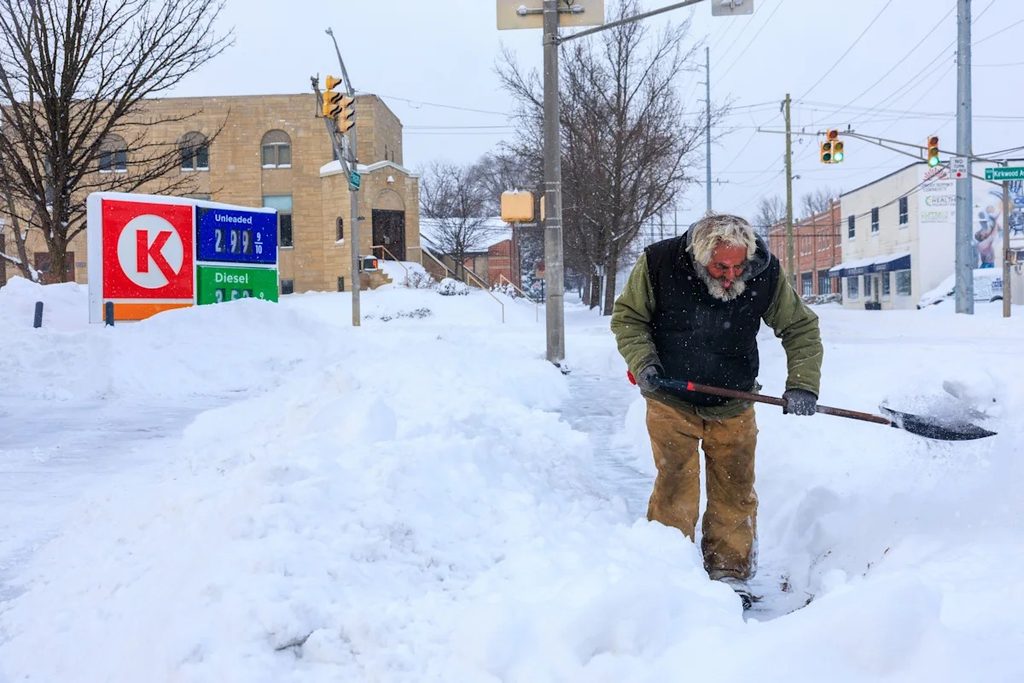
When a major warming stretches or splits the vortex, the jet stream turns wavier, allowing lobes of frigid air to plunge south—just as happened on January 24, when northern Minnesota plunged to -43°F and Indiana hit record lows while Greenland’s west coast saw its warmest January on record. This year, however, escaping Arctic air faces fierce competition from a powerful El Niño warming the Pacific Ocean, which NOAA branch chief Jon Gottschalck notes typically favors milder temperatures across much of the U.S. How this potentially record-strength El Niño and a weakened polar vortex collide will dictate how bitterly cold eastern North America actually gets through mid-winter.
What Happens When Stratospheric Winds Lose Their Grip
A sudden stratospheric warming does not bring instant snowstorms overnight; instead, its cascading effects take days or weeks to reach the surface and can linger for up to eight weeks:
- Wavier Jet Stream: Weakened stratospheric winds allow the polar jet stream to dip much further south over the central and eastern United States.
- Sudden Temperature Swings: Mild El Niño stretches can abruptly give way to sharp, multi-day subzero cold snaps.
- Shifting Storm Tracks: Clashes between warm Pacific-influenced air and displaced Arctic lobes often fuel heavier winter precipitation and ice events.
Smart Steps to Winterize Your Home and Car Now
NOAA emphasizes there is no reason for alarm, only early preparation before sudden temperature drops arrive:
- Upgrade Daily Gear: Track hyper-local alerts on Weather.gov or a NOAA Weather Radio, and keep Thermal Base Layers, Insulated Waterproof Boots, and windproof outerwear accessible.
- Stock Vehicle Safety Supplies: Equip your trunk with a Winter Car Emergency Kit, Portable Jump Starter, Heavy-Duty Ice Scraper, and Mylar Thermal Blankets before highway freezes hit.
- Protect Home Infrastructure: Seal drafty windows, wrap exposed exterior pipes with Foam Pipe Insulation, and store Backup Power Banks and LED Flashlights in case ice storms knock out power lines.
Frequently Asked Questions
What exactly is a sudden stratospheric warming (SSW)?
An SSW occurs when large atmospheric waves push up from lower altitudes and rapidly heat the stratosphere, slowing or splitting the polar vortex winds and pushing Arctic air southward.
Why is a November polar vortex disruption considered so rare?
The vortex normally builds strength throughout fall as the Arctic cools and rarely breaks down before deep winter in January or February, making a November SSW potentially the earliest since the 1950s.
Will El Niño cancel out the cold from a weakened polar vortex?
Not completely. While a strong El Niño steers overall winter averages milder, a wavier jet stream from a disrupted vortex can still send sharp, temporary Arctic freezes into the eastern U.S.
How long do the weather impacts of a polar vortex breakdown last?
Once a major stratospheric disruption occurs, the resulting jet stream shifts and cold-air outbreaks can influence surface weather for up to two months.
Sources: National Oceanic and Atmospheric Administration (NOAA) Climate Prediction Center, Yahoo News, Scientific American, State Climate Data Archives, Weather.gov.
Leave a Reply