• Skip to main content
  • Skip to primary sidebar
  • Skip to footer
  • Home
  • About Us
  • Copyright Report
  • Submit Content
  • Terms
  • Privacy Policy
  • Legal Disclaimer

Hasan Jasim

Hasan Jasim is a place where you may get entertainment, viral videos, trending material, and breaking news. For a social generation, we are the largest community on the planet.

Exploring Sexual Dimorphism in Grandalas: The Striking Differences Between Male and Female Birds

by Hasan Jasim Editorial Team Leave a Comment

ShareTweet

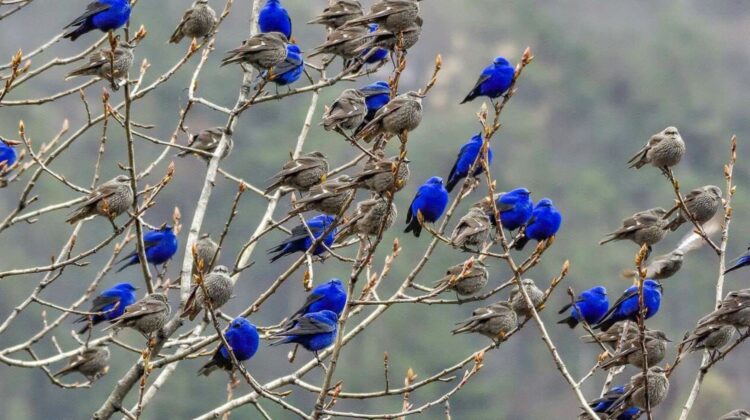
Grandalas are a species of bird that is native to the Himalayas, and they are known for their striking coloration and deep sexual dimorphism. In fact, the difference between male and female grandalas is so distinct that it’s hard to believe they belong to the same species.
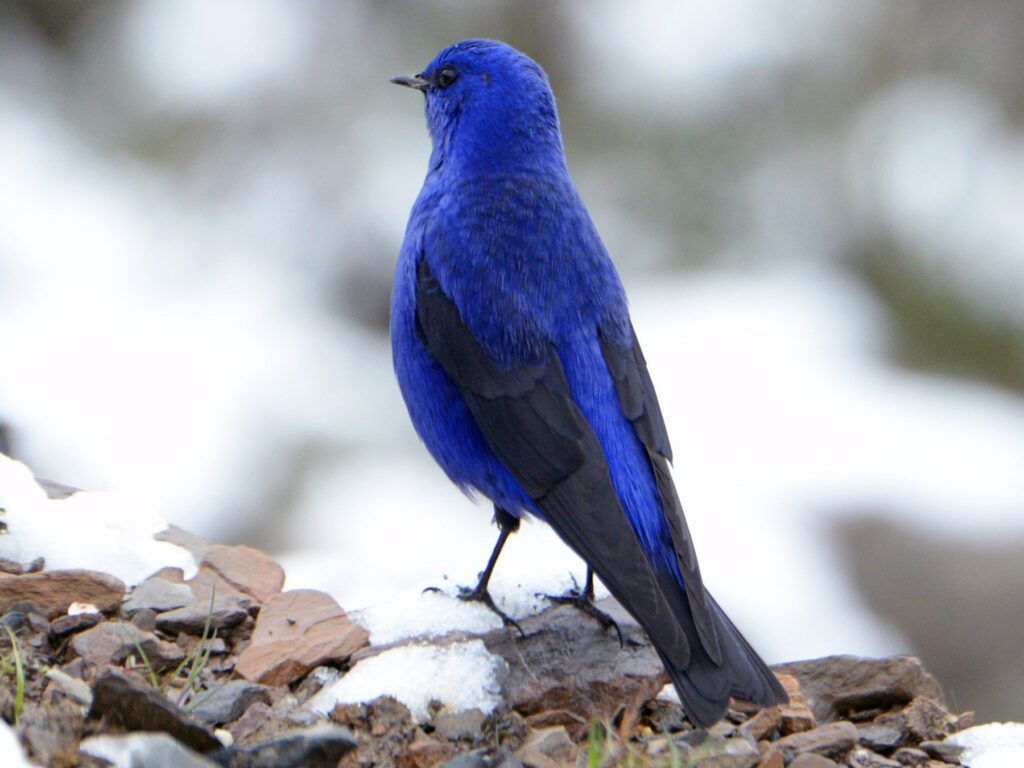
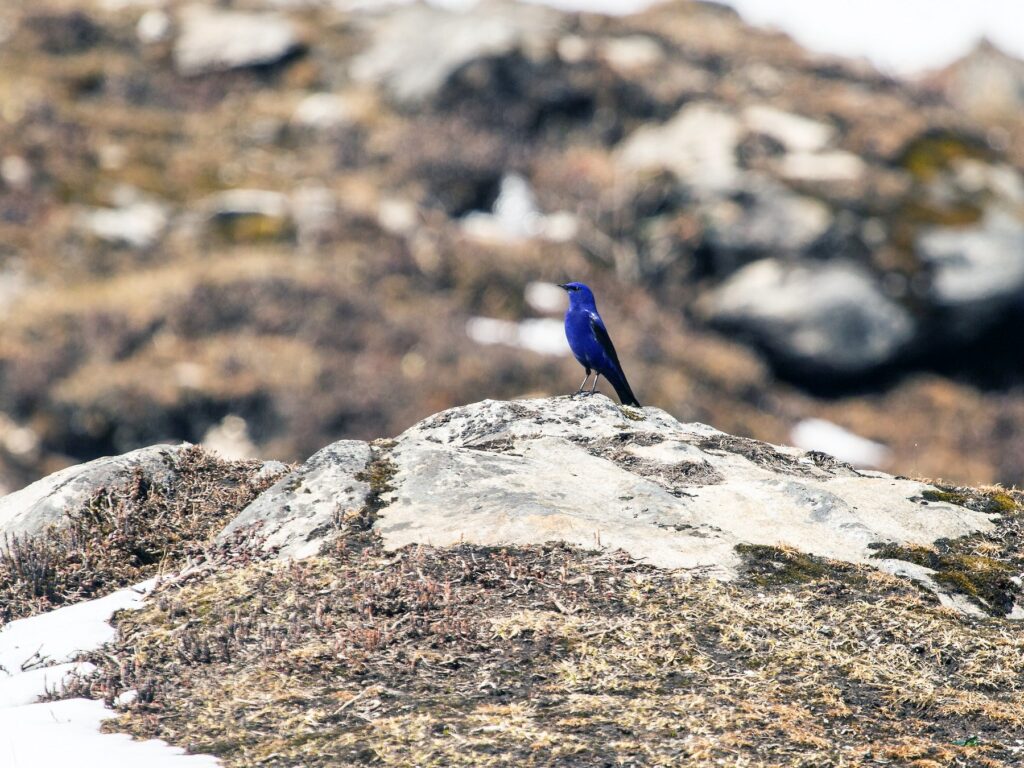
While female grandalas are predominantly brown with white streaks all over their head, males are almost eye-searing blue, with a vibrant shade that is hard to miss. This difference in coloration between the sexes is a prime example of sexual dimorphism, which refers to the physical differences between males and females of the same species.
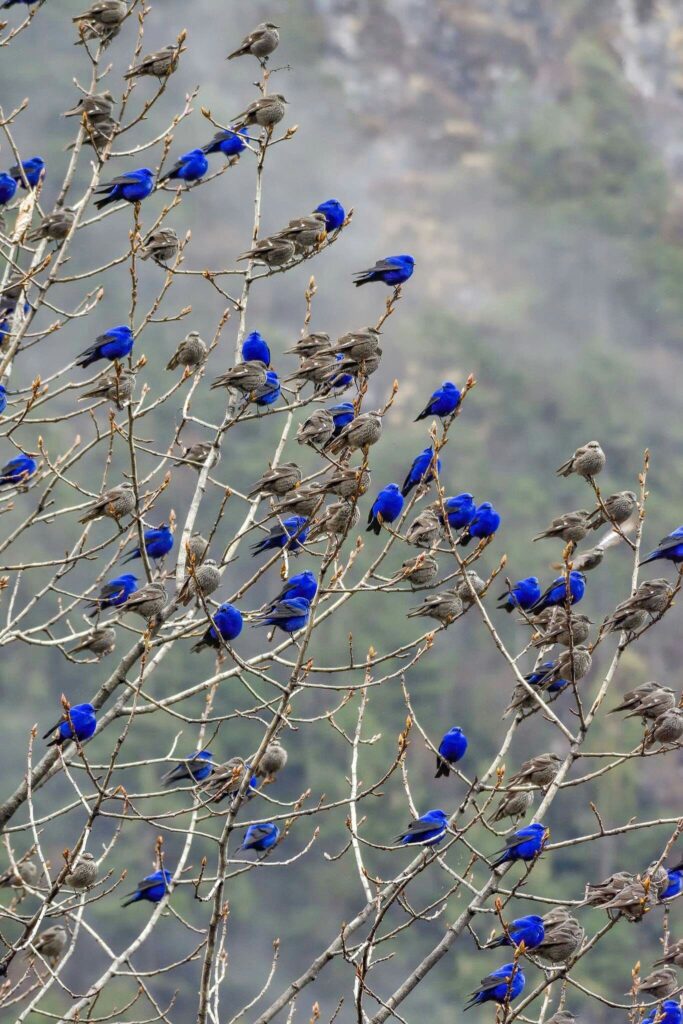
The reasons behind sexual dimorphism in grandalas are not yet fully understood, but it is believed to be related to their mating habits. Male grandalas use their bright blue plumage to attract females during the breeding season, and the more vibrant their coloration, the more likely they are to be chosen as a mate.
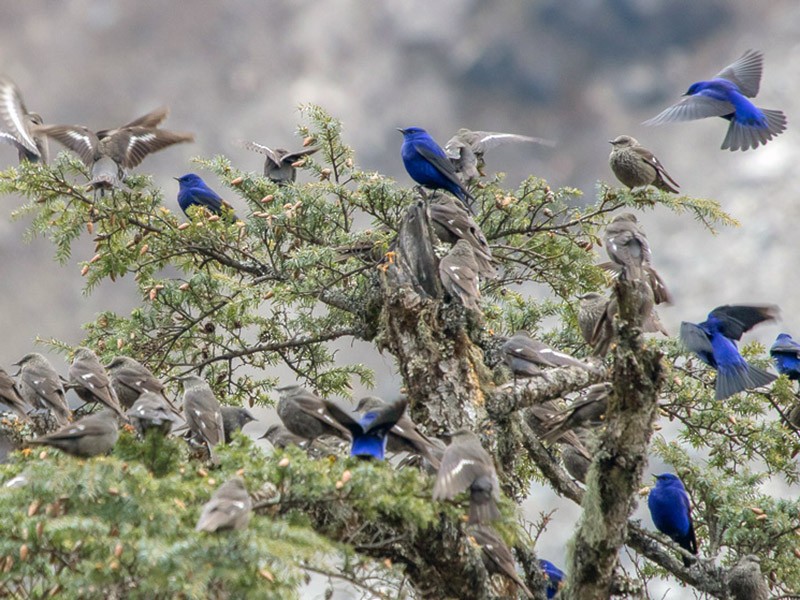
Despite their stunning coloration, grandalas are not very well known outside of their native habitat. These birds inhabit high-altitude forests in the Himalayas and are known for their elusive nature. They are also highly territorial and can be aggressive towards other birds that venture into their territory.
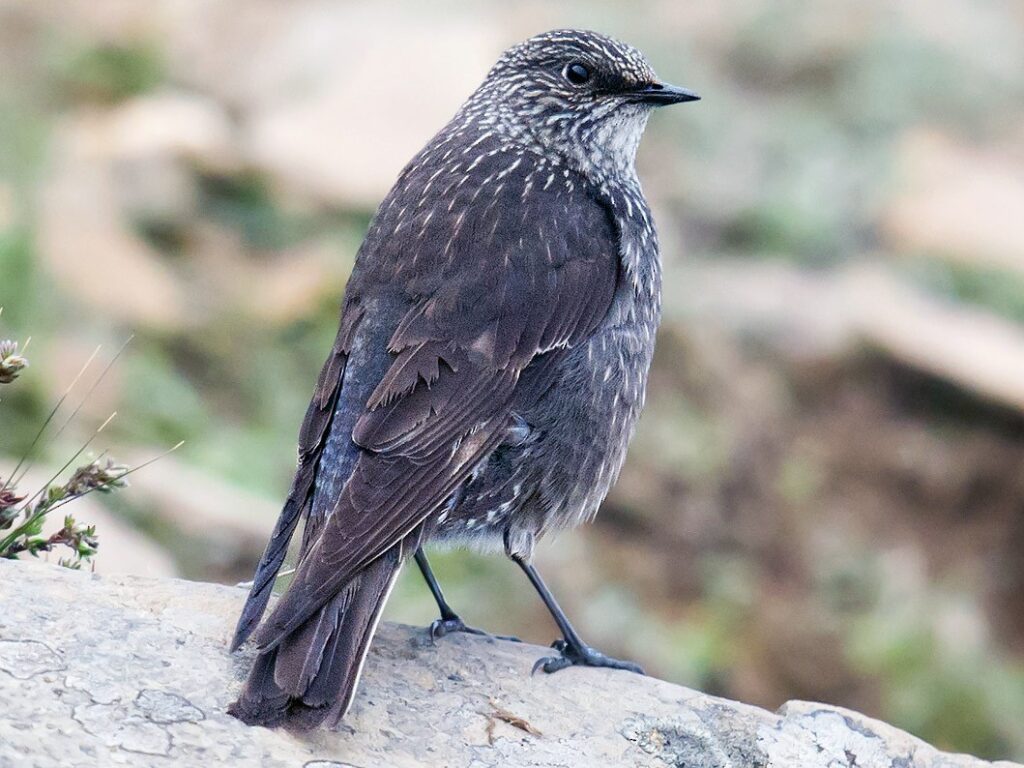
This picture captured by Rajesh Panwar in North Sikkim, India, gives a nice visualization of the deep sexual dimorphism in grandalas. The male grandala’s bright blue plumage is almost electric against the brown and green background, making it hard to miss even from a distance.
In conclusion, grandalas are a fascinating species of bird that are known for their striking coloration and deep sexual dimorphism. While female grandalas are predominantly brown with white streaks, males are almost eye-searing blue, making them a prime example of sexual dimorphism in the animal kingdom. Despite their stunning appearance, grandalas remain relatively unknown outside of their native habitat, where they inhabit high-altitude forests in the Himalayas.

Filed Under: Trends Worldwide Tagged With: between, Birds, differences, dimorphism, exploring, female?, grandalas:, male, sexual, striking, trends, worldwide

Reader Interactions

Leave a Reply Cancel reply

Your email address will not be published. Required fields are marked *

Primary Sidebar

More to See

Unbelievable Painting Looks Like Real Water: The Art of Photorealism

By Hasan Jasim Editorial Team

Dog is abandoned chained in the woods, then animal hero discovers the horrific

By Hasan Jasim Editorial Team

The World’s Largest Bromeliad, ‘Queen of the Andes’, Blooms Only Once in a Century

By Hasan Jasim Editorial Team

The Unlikely Heroes of Hurricane Andrew: The Miami Zoo Flamingos

By Hasan Jasim Editorial Team

Astrophotographer Captures the Full Sequence of the 500-Year-Old Partial Eclipse

By Hasan Jasim Editorial Team

Sad pup separated from cow who raised him – camera captures tear jerking moment they reunite again

By Hasan Jasim Editorial Team

Rescuers Find Senior Dog Tied to Picnic Table — Then They Spot the Heartbreaking Note

By Hasan Jasim Editorial Team

Footer

ABOUT HASANJASIM.ONLINE

Hasanjasim.online is a digital platform dedicated to publishing well-researched articles about the animal kingdom, nature, and the environment. Our editorial team works to source stories from credible outlets, scientific research, and verified reports, aiming to inform as much as we entertain. From wildlife conservation and animal behavior to natural wonders and environmental science, we cover the topics that help readers better understand and appreciate the natural world. Whether you're a lifelong nature lover or simply curious about the planet we share, Hasanjasim.online aims to be a trustworthy destination for stories worth reading — and worth citing.

Recent

  • Dog Surrendered To Shelter With His Bed And All His Toys
  • Euphorbia Hirta (Asthma-Plant): Traditional Uses, Preparation Methods, and Safety Guide
  • What Gelatin Actually Is — and How It Ends Up in Gummy Bears
  • Two Minnesota Solar Farms Turned the Ground Beneath Their Panels Into Habitat — and Native Bees Increased 20-Fold
  • A Donkey Handler Attacked a PETA Activist on Santorini — Here’s What’s Happened Since
  • The “Bunny Harvestman”: A Tiny Amazon Arachnid Discovered in 1959 That Looks Like a Rabbit’s Head
  • If You See This Geometric Mass in Your Garden, Don’t Touch It

Search