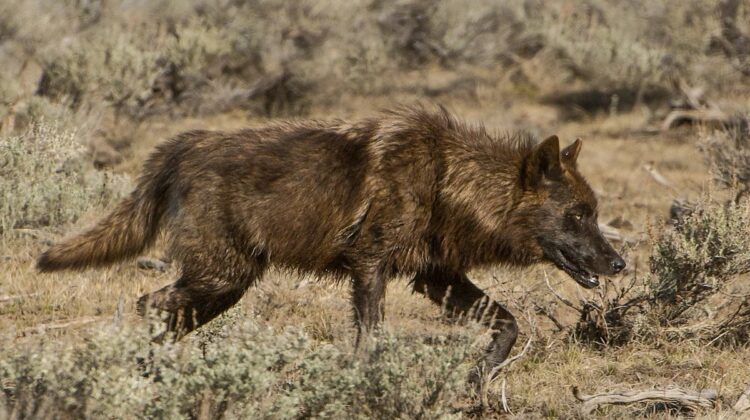
Early in the morning in Yellowstone’s Lamar Valley, visitors line up behind spotting scopes, hoping to catch sight of a wolf. Decades after these predators returned to the park, they remain among North America’s most famous and most argued-about animals. Their story has changed in important ways since they were first brought back, and scientists are still debating how much they changed the park itself.
From Eradication to Return
Gray wolves were wiped out in Yellowstone by government predator-control efforts in the early twentieth century, largely to protect livestock. Decades later, wolves from Canada were brought in to restore the missing predator. The first wolves released in the park became the founders of its best-known packs.
Since then, wolves have been at the center of ongoing legal and political battles. Their protection status has been challenged, appealed, removed and restored many times. Hunting is banned inside Yellowstone, but wolves that wander beyond the park’s boundaries can be hunted legally under state rules.
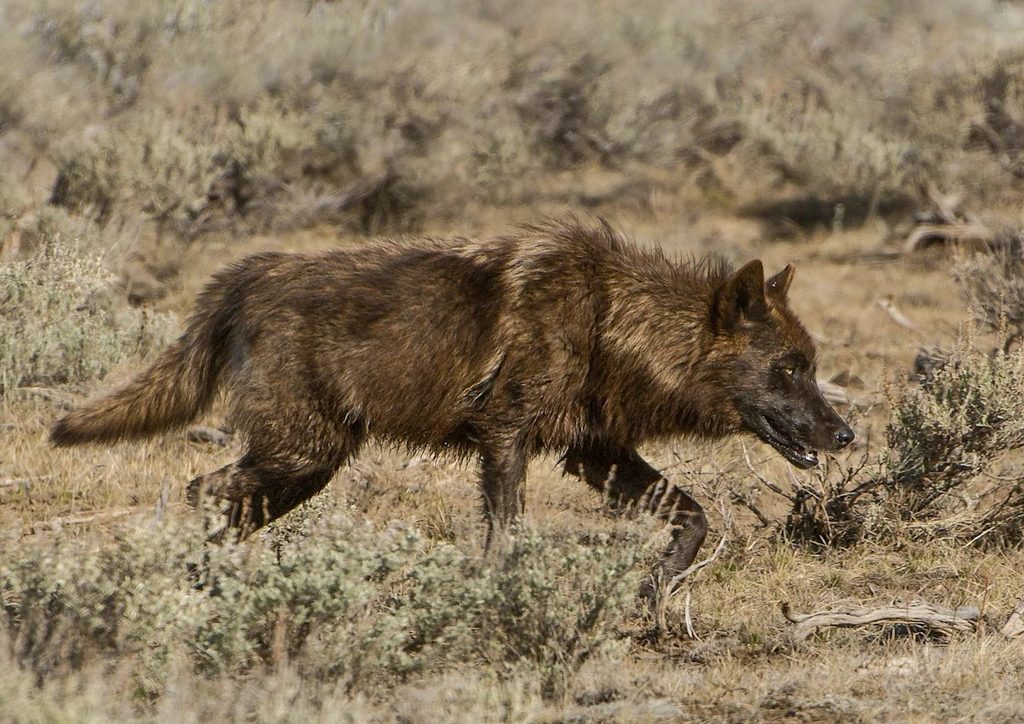
Tom Murphy, National Geographic Image Collection
Wolves Who Became Legends
Some individual wolves became famous. Wolf 8 was a runt who eventually became a leader. O-6 was a skilled hunter known for bringing down elk on her own, and she and her daughter Spitfire were both killed by hunters after leaving the park.
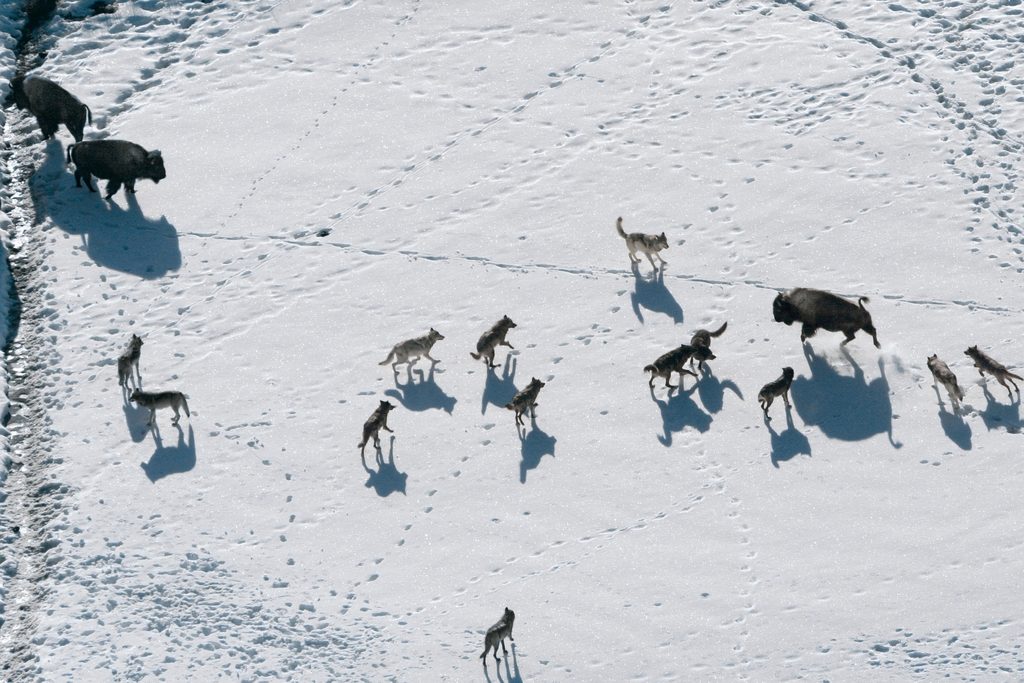
Entire packs became well known too. The Druid Peak pack, formed from wolves brought from Canada, dominated the Lamar Valley and clashed with neighboring packs, at its peak reaching 37 wolves, the largest pack ever recorded in the park. Mollie’s Pack, originally called the Crystal Creek Pack, descends from some of the first reintroduced wolves, is the park’s oldest pack and is known for hunting bison many times the size of its members.
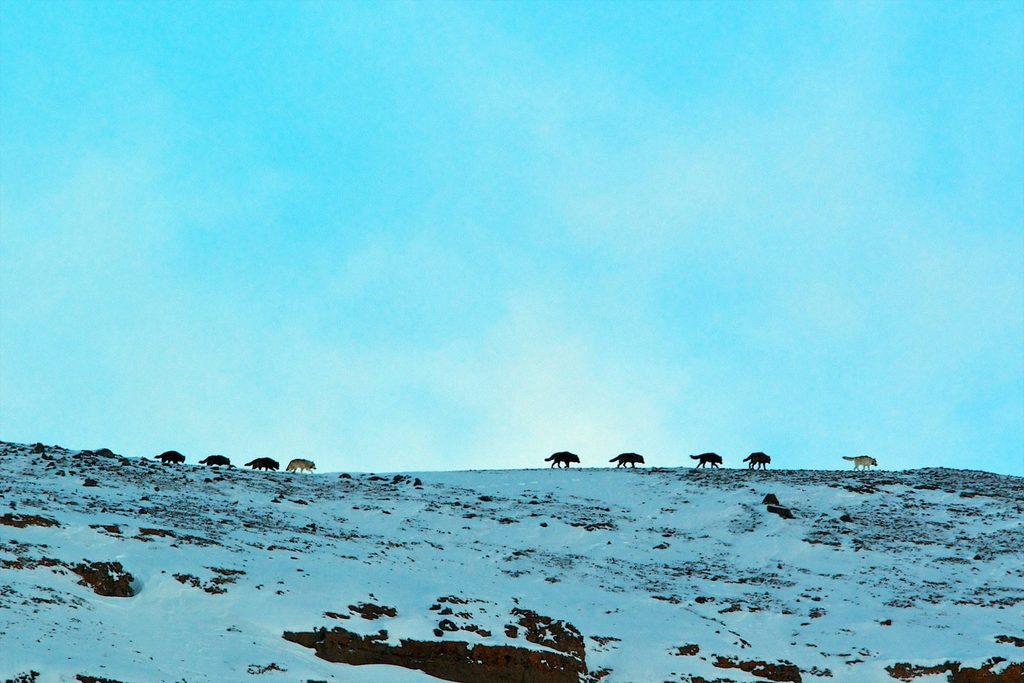
Barrett Hedges, National Geographic Image Collection
Watching Wolves for Thousands of Days
Few people know the park’s wolves as well as Rick McIntyre, a former National Park Service employee who has watched them for more than three decades and has written nearly a dozen books about them. He began with a modest goal of simply seeing one reintroduced wolf, and instead found himself observing them almost daily. He has logged more than 10,000 days of watching.
Over that time, he has seen wolves rise and fall in rank and whole packs form and break apart. He says that, like human empires, wolf packs don’t last forever. Long observation has also challenged old assumptions: researchers once believed males controlled pack decisions, but McIntyre says the alpha female often plays the leading role, deciding who mates, where the pack dens and how it deals with rival packs.
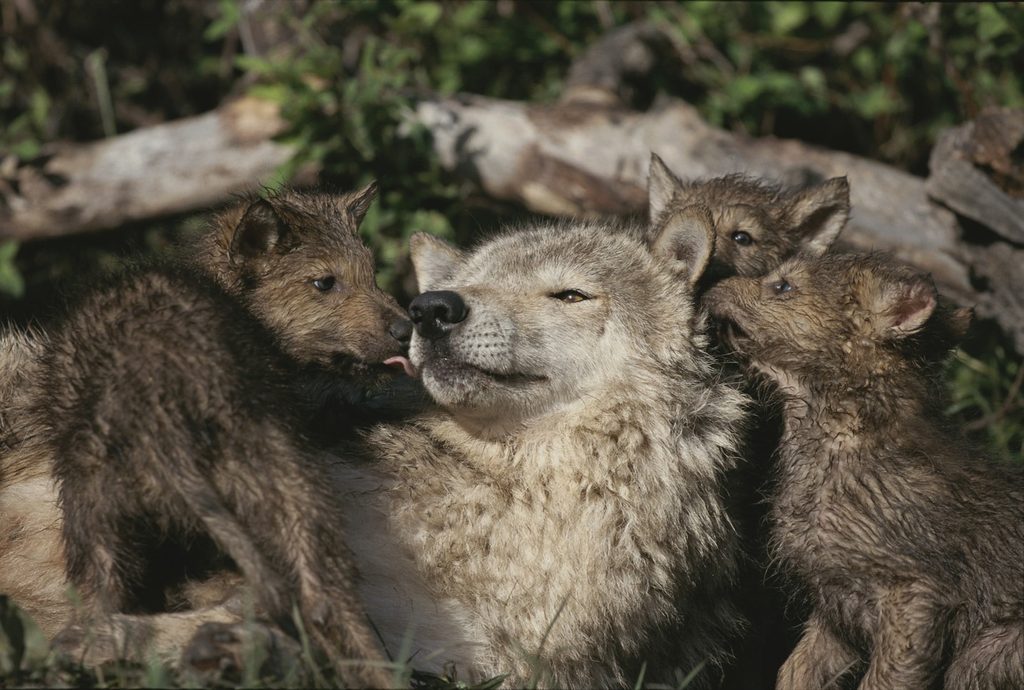
Norbert Rosing, National Geographic Image Collection
Did Wolves Transform the Ecosystem?
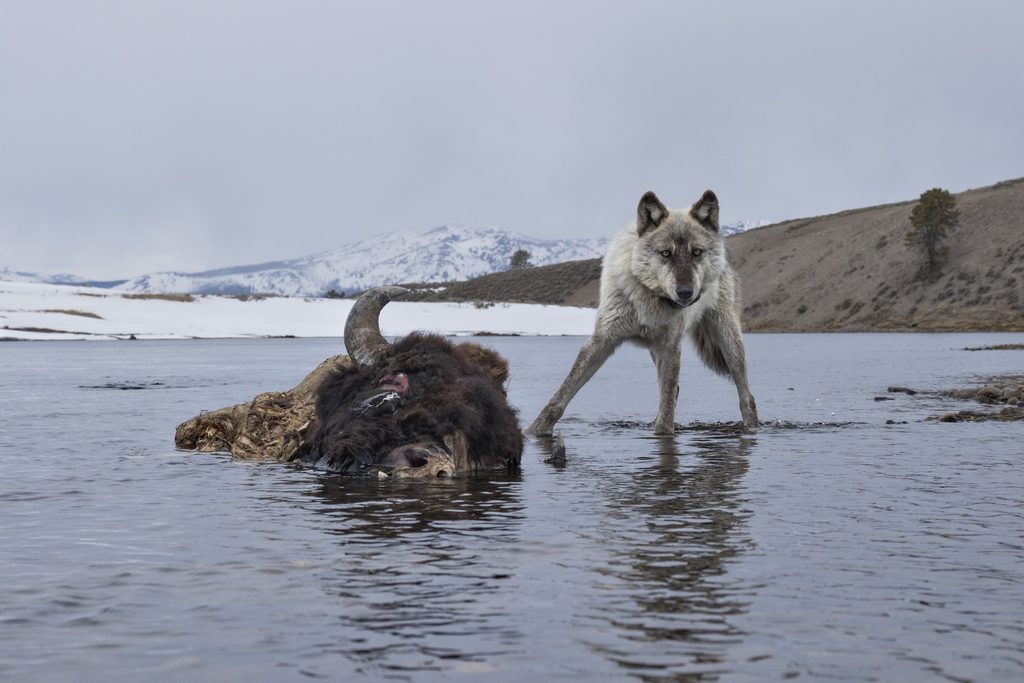
For years, the return of wolves has been described as a classic trophic cascade, a chain reaction in which a change in one species ripples through an ecosystem. In the popular version, wolves hunted elk, elk browsing on young aspen and willow declined and those plants recovered, which benefited other wildlife.
Scientists now disagree about how much of that recovery is due to wolves. Utah State University ecologist Dan Macnulty argues that wolves’ disappearance and return didn’t happen in isolation. Around the time they were eliminated, mountain lions were also heavily hunted, hay was provided for bison and elk, parts of the Lamar Valley were plowed and planted and willows along waterways were burned. He says it is unrealistic to expect wolves to reverse all of that damage, and his research suggests their ecological influence is much smaller than originally thought.
Other researchers disagree. In a response to his work, they argued that aspen recovery in Yellowstone remains strong and ecologically significant, even if it hasn’t happened evenly across the landscape.
Ronan Donovan, National Geographic Image Collection
A Different Way to Judge Success
Macnulty adds that judging the return by how much it transformed the landscape misses the point. When he worked as a technician on the wolf project, the idea of a trophic cascade wasn’t part of the reasoning. Wolves were brought back because it was the right thing to do from a conservation standpoint. His broader lesson is humility: people should be cautious about claiming to understand how ecosystems work and should value species for their own sake.
What We Don’t Know
The scientific debate is unresolved, and both sides rely on complex data from a changing ecosystem. Wolf numbers, pack territories and park conditions change from year to year, so the picture described here is a snapshot and not a final verdict.
Dan Stahler, National Geographic Image Collection
Watching Wolves Responsibly
If you’d like to see wolves in Yellowstone, dawn and dusk in the Lamar Valley are traditionally the best times. Stay in designated areas, keep well back from wildlife (park rules require a large minimum distance from wolves and bears) and never feed or approach them. A good spotting scope or binoculars lets you watch without disturbing the animals.
Planning a Wolf-Watching Trip
Visitors who want a closer look at the park’s wildlife often compare guided Yellowstone wildlife tours and wolf-watching tours led by local experts, invest in quality spotting scopes, binoculars and a wildlife photography camera with a telephoto lens, and buy national park passes and travel insurance before heading to remote areas. Conservation supporters can also look into wildlife conservation donations that fund research and habitat protection.
Barrett Hedges, National Geographic Image Collection
Frequently Asked Questions
Why were wolves removed from Yellowstone? They were eliminated by government predator control, largely to protect livestock.
Did wolves transform Yellowstone’s ecosystem? Scientists disagree. Some credit wolves with major effects, while others say their influence is smaller and was only one factor among many.
Can wolves be hunted in Yellowstone? No. Hunting is banned inside the park, but wolves that leave it can be hunted legally under state regulations.
Who makes the decisions in a wolf pack? According to veteran observer Rick McIntyre, the alpha female often plays a leading role.
Sources: National Geographic
Leave a Reply