
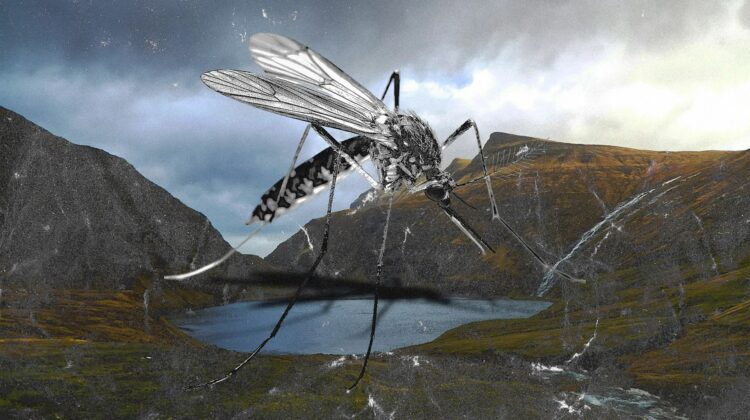
For centuries, Iceland was one of the few places on Earth completely free of mosquitoes — until now.
Recent reports confirm that mosquitoes have been officially detected in Iceland for the first time, marking a dramatic ecological shift linked to rising temperatures and changing global climate patterns.
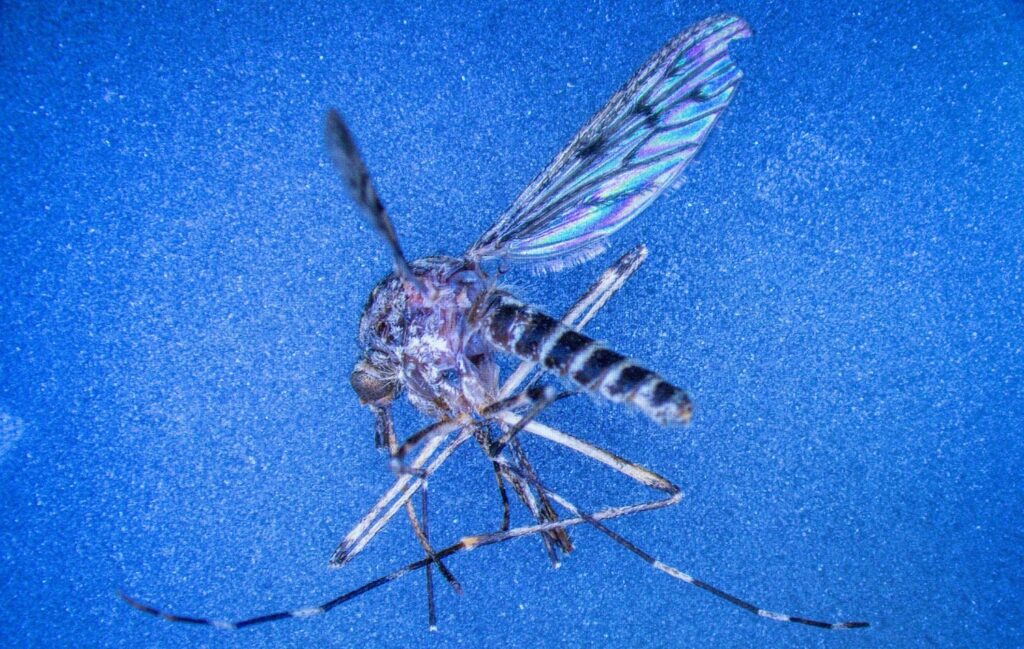
The discovery was made in mid-October by Icelandic insect enthusiast Björn Hjaltason, who spotted what he called a “strange fly” in the garden town of Kjós. After collecting the specimen, it was confirmed to be a female mosquito — and not long after, two more were found.
According to Matthías Alfreðsson, an entomologist at the Natural Science Institute of Iceland, all three insects were identified as Culiseta annulata — a cold-tolerant mosquito species native to the Palearctic region, which includes parts of Europe, North Africa, and Asia north of the Himalayas.
A Mosquito Built for the Cold
Unlike tropical mosquito species, Culiseta annulata is highly adaptable. It’s the most common mosquito in the U.K. and has also been found in Canada and the northern U.S..
This species can survive in relatively cold conditions by laying eggs in artificial containers — such as rain barrels, flowerpots, and discarded tires — allowing them to spread through human environments and travel with global trade and tourism.
Iceland’s Changing Climate Made It Possible
Historically, Iceland’s climate was far too cold for mosquitoes to thrive. The lack of stagnant, warm water, which is essential for mosquito breeding, made the island virtually inhospitable.
But climate data now show that Iceland is warming at nearly four times the global average, due to a persistent flow of warmer southern air currents. With milder summers and more frequent thawing periods, the ecological door is opening for insects once unable to survive there.
According to the World Population Review, only Antarctica now remains completely free of mosquitoes.
The Global Risk of Expanding Mosquito Territories
While the arrival of mosquitoes in Iceland may seem like a small curiosity, experts warn it’s part of a larger and more alarming global trend.
As temperatures rise, mosquitoes are expanding their range northward — bringing with them the risk of mosquito-borne diseases such as malaria, dengue, and chikungunya.
Dr. Ryan Carney, associate professor at the University of South Florida’s Department of Integrative Biology, called the situation a “perfect storm” for the spread of disease.
“Warmer weather provides favorable conditions for mosquito habitats — from breeding grounds to biting frequency,” Carney explained. “Higher humidity and temperature also accelerate development and increase infection rates.”
Already, Europe has begun reporting locally transmitted cases of dengue and chikungunya, illnesses once confined to tropical regions.
Citizen Scientists: The First Line of Discovery
Interestingly, the mosquitoes in Iceland were not discovered by government scientists — but by a private citizen with curiosity and a camera.
Experts say this highlights the growing importance of citizen science in tracking ecological change.
Dr. Carney praised the discovery, noting:
“This is another great example of how citizen scientists are helping us detect disease-carrying mosquitoes in new regions. Apps like iNaturalist, Mosquito Alert, and NASA’s GLOBE Observer are invaluable tools for global monitoring.”
A New Era for the North
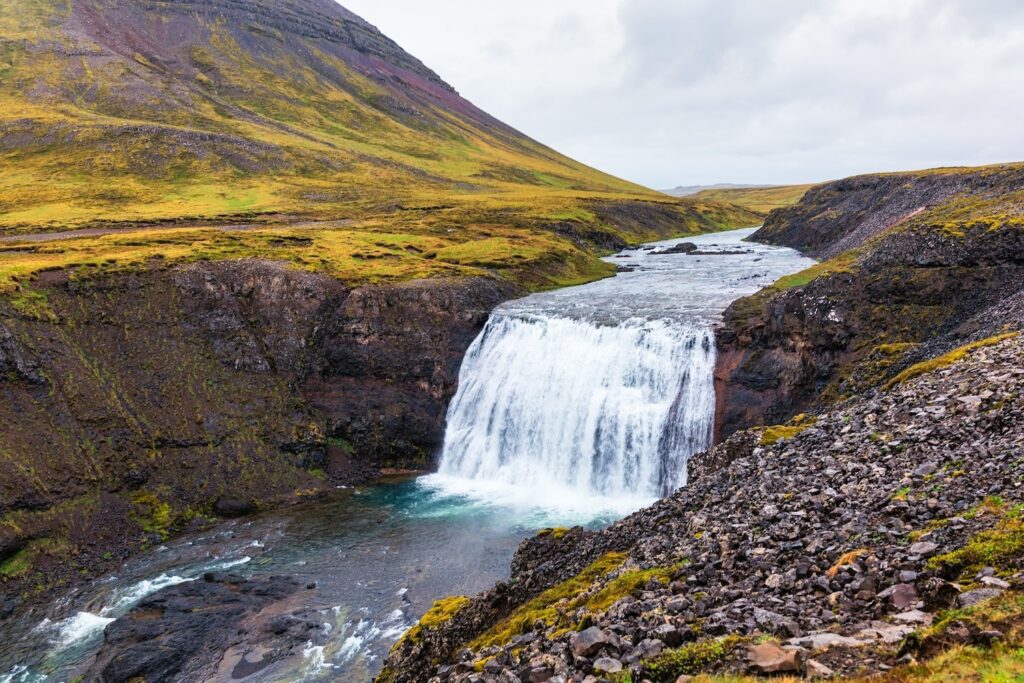
The detection of mosquitoes in Iceland is more than a scientific curiosity — it’s a visible symptom of a warming world.
As species once limited to temperate or tropical zones begin moving north, even the most isolated ecosystems are transforming before our eyes.
And while for now, the mosquitoes found in Iceland are not known carriers of major diseases, experts caution that continued warming could change that — turning the Arctic into yet another frontline in the global battle against vector-borne illnesses.
Leave a Reply