

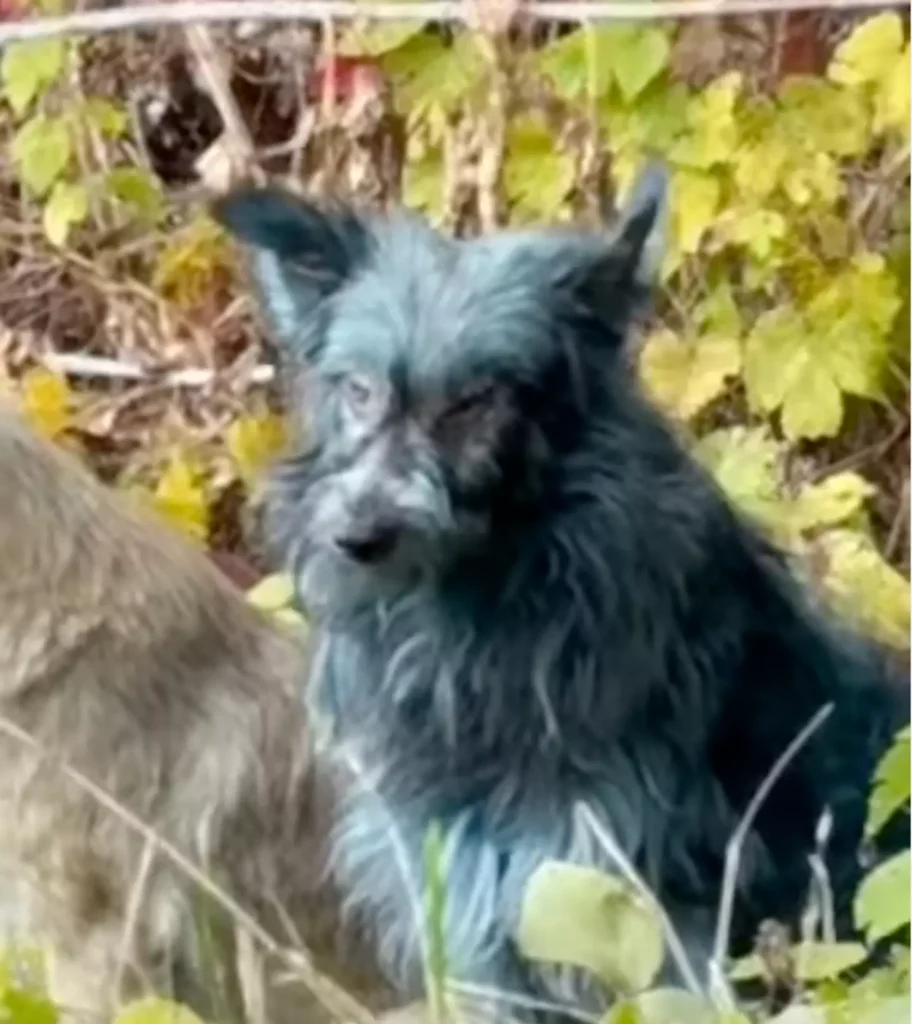
Nearly 40 years after the Chernobyl nuclear disaster, the world’s most infamous radioactive zone is once again in the spotlight — this time, because of mysterious blue dogs spotted wandering near the abandoned power plant.
The Chernobyl Exclusion Zone, stretching across 1,017 square miles, remains one of the most contaminated regions on Earth. Despite deadly levels of radiation and decades of human absence, wildlife has astonishingly flourished — from wolves and boars to birds and, now, these strange blue-coated dogs.
A Viral Mystery: Why Are Chernobyl’s Dogs Turning Blue?
The viral images were first shared by Dogs of Chernobyl, a volunteer group that cares for hundreds of abandoned animals living within the zone. One particular photo showed a dog with bright blue fur, sparking online rumors that the strange coloration was caused by radioactive mutation.
However, the truth appears to be far less supernatural — but no less fascinating.
“They were not blue last week. We do not know the reason, and we are attempting to catch them so we can find out what is happening,” the group said.

Veterinarian Jennifer Betz, who leads medical missions into the exclusion zone, clarified that the blue color likely came from chemical exposure, not radiation.
“They appear to have been rolling in a substance that accumulated on their fur — possibly near an old portable toilet or industrial material,” she told IFL Science.
“We are not saying it is related to Chernobyl’s radiation.”
Life Finds a Way: The Dogs Who Defied a Nuclear Disaster
Over 700 semi-wild dogs now call the zone home — descendants of pets left behind after the 1986 explosion that forced families to flee.
Despite generations of exposure to radiation and harsh weather, these dogs are healthy, active, and thriving — a living testament to nature’s resilience.
Since 2017, volunteers have regularly entered the dangerous area to feed, vaccinate, and treat these animals, proving that compassion can exist even in places once considered lost to humanity.
The Science: How Chernobyl’s Dogs Adapted to Radiation
A groundbreaking 2024 study led by Dr. Norman Kleiman at Columbia University revealed that the dogs of Chernobyl have genetically adapted to survive intense radiation and heavy metal exposure.
Researchers analyzed the DNA of 116 dogs and identified 52 altered genes linked to radiation resistance and environmental adaptation — effectively creating the first known population of canines evolving under nuclear contamination.
“These dogs are more than survivors,” said Dr. Kleiman. “They represent a living model for how life can adapt — even in one of the most hostile environments ever created by humans.”
A Symbol of Survival in a Nuclear Wasteland
The blue dogs of Chernobyl may not be radioactive mutants, but they are symbols of endurance and adaptation — reminders that nature doesn’t just endure; it evolves.
As scientists continue to study their unique DNA, the hope is that understanding these animals could one day help humans develop better protection against radiation exposure — turning tragedy into opportunity.
In a place once defined by death and disaster, life has found a way — even if it’s covered in blue fur.
Leave a Reply