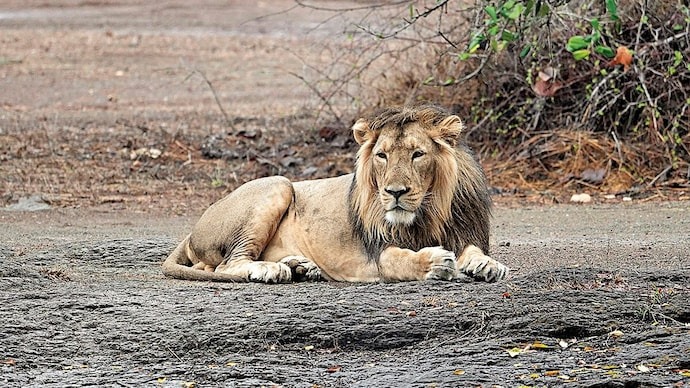
Ten lions have been found dead inside one of Africa’s most storied wildlife reserves, and Tanzanian authorities say poison is the leading suspect.
What Happened
The lions were discovered on September 18, 2026, in the Ndutu area of Endulen Ward, within the Ngorongoro Conservation Area in northern Tanzania. The Ngorongoro Conservation Area Authority (NCAA) said in a statement issued late that Saturday that it “regrets to inform the public” of the deaths.
“Preliminary findings suggest the animals may have died after ingesting poison,” the authority said, adding that a full expert investigation had been launched “to determine the cause of the incident and identify those responsible.” As of this writing, no cause has been confirmed and no suspects have been named.
A UNESCO Site Under Pressure
Ngorongoro is a UNESCO World Heritage Site and one of Tanzania’s most visited destinations, home to an estimated 25,000 large animals — including, by some estimates, the densest known population of lions anywhere — alongside elephants, buffaloes and endangered black rhinos.
It’s also a place with a complicated human history. Semi-nomadic Maasai communities have lived in and around the reserve for generations, and tensions between the Tanzanian government and those communities have intensified since authorities launched an eviction program in 2022, with the government citing population growth — from roughly 8,000 residents in 1959 to more than 100,000 today — as pressure on wildlife habitat. Whether this particular incident connects to that broader conflict is not yet established; the investigation is focused on identifying who poisoned the lions and why.
Part of a Wider Pattern
Poisoning has become one of the most persistent threats to large carnivores across East Africa, frequently tied to conflict between predators and the livestock owners whose animals they sometimes kill. Lions, hyenas and other carnivores are occasionally targeted directly by herders retaliating for livestock losses, and poison can kill far beyond its intended target — vultures and other scavengers that feed on a poisoned carcass are often wiped out alongside it.
The Ngorongoro deaths follow a separate, large-scale poisoning case just across the border. In August, Kenyan police arrested four suspects in connection with the deaths of 18 elephants in the Amboseli ecosystem, after preliminary lab results pointed to cyanide, believed to have come from pesticide-contaminated tomatoes on farms bordering the park. The suspects were later released on bail as the investigation continued.
Why This Matters Beyond Ten Lions
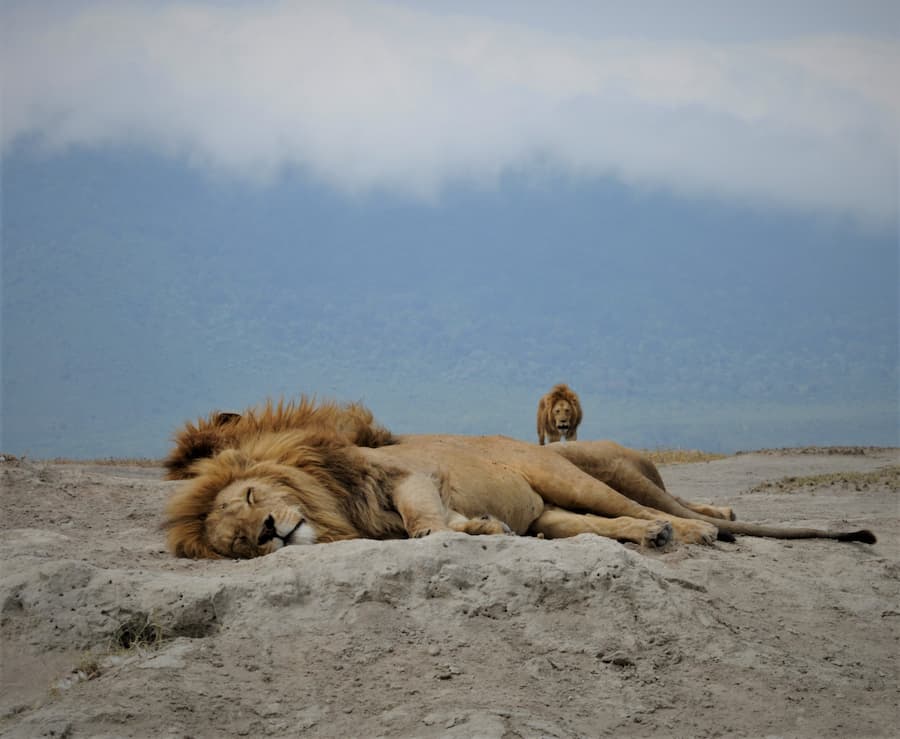
Lions are already in steep decline across the continent — Africa’s wild lion population has fallen by roughly half over the past few decades, with habitat loss and human-wildlife conflict among the leading drivers. Losing ten animals from a single, well-monitored population in one incident is significant on its own, and conservationists will be watching closely to see whether the investigation identifies a pattern that could put the reserve’s other predators at further risk.
Frequently Asked Questions
Has the cause of death been officially confirmed? Not yet. Authorities have said preliminary findings point to poisoning, but a full investigation is underway and no final cause or suspects have been announced.
Is this connected to the recent elephant poisonings in Kenya? There’s no confirmed link between the two cases. They occurred in different countries and involve different species, though both fit a broader regional pattern of wildlife poisoning tied to human-wildlife conflict.
Why does Ngorongoro matter for lion conservation specifically? The reserve is believed to hold one of the densest lion populations in Africa, at a time when the species’ numbers continent-wide have declined significantly. A poisoning event affecting ten animals at once is a meaningful loss for that population.
Sources: Ngorongoro Conservation Area Authority; Associated Press; NPR; CBS News; Gulf News.
Leave a Reply