
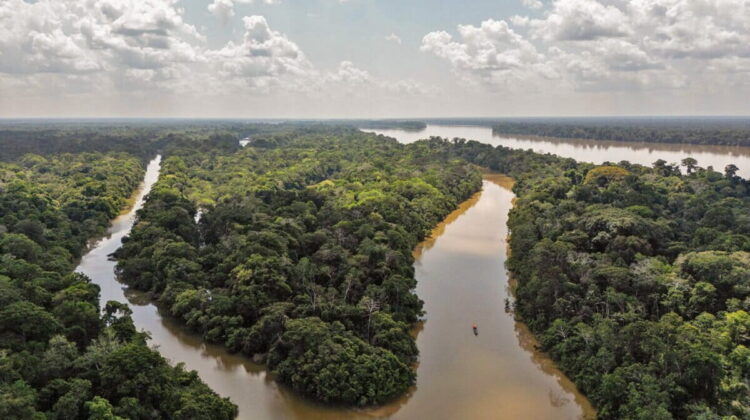
Colombia has announced that it will no longer approve any new oil or large-scale mining projects in its Amazon biome, which covers 42% of the country’s territory, according to a statement released on Nov. 13 by the Ministry of Environment.
Acting Environment Minister Irene Vélez Torres declared that the entire Colombian Amazon will now become a reserve for renewable natural resources. The announcement was made during a meeting of Amazon Cooperation Treaty Organization ministers at COP30, the U.N. climate summit held in Belém, Brazil.
“This declaration is both an ethical and a scientific commitment. It aims to prevent forest degradation, river contamination, and the loss of biodiversity that threatens the continent’s climate balance,” Vélez said.
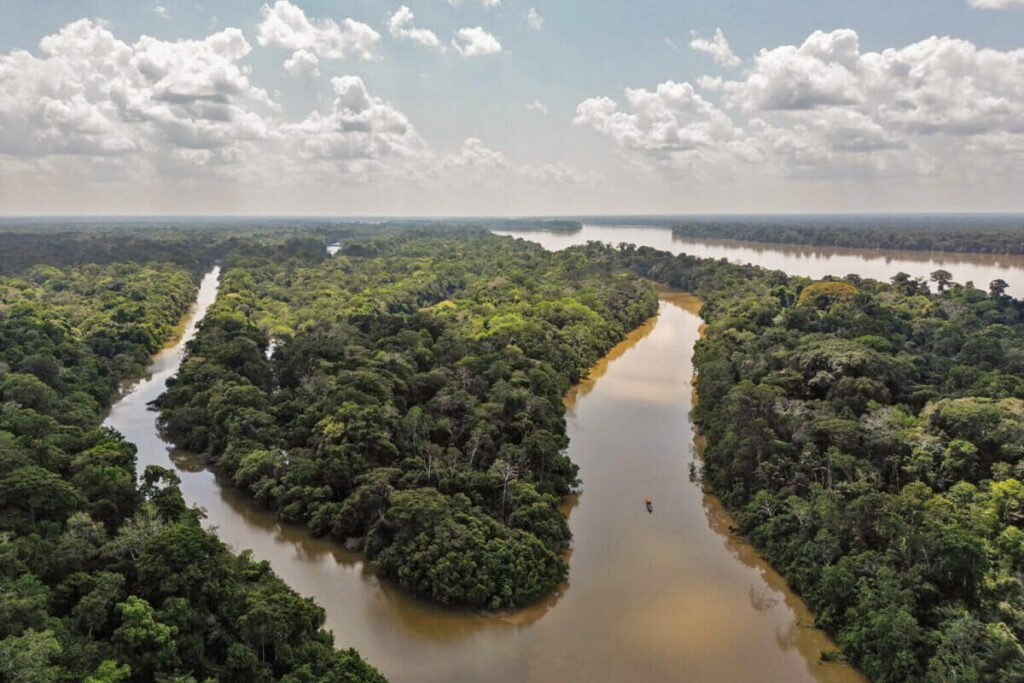
She also urged other Amazonian nations to adopt similar protective measures, emphasizing that Colombia manages only 7% of the Amazon biome. Across the entire region, 871 oil and gas blocks cover an area nearly twice the size of France — with 68% of these blocks still in the study or bidding stages.
“We take this step not only as an act of environmental sovereignty, but also as a fraternal call to the nations that share the Amazon biome. The Amazon has no borders, and protecting it requires collective action,” Vélez added.
However, Brazil — which controls nearly 60% of the Amazon — has moved in the opposite direction over the past year. Despite major progress in reducing deforestation, the country has auctioned off new oil blocks near Indigenous territories and approved offshore drilling at the mouth of the Amazon River.
Peru is actively courting foreign oil companies to restart operations at Lot 192, a major Amazonian crude site in the country’s north. Ecuador is preparing to auction 49 oil and gas projects worth more than $47 billion, despite public protests.
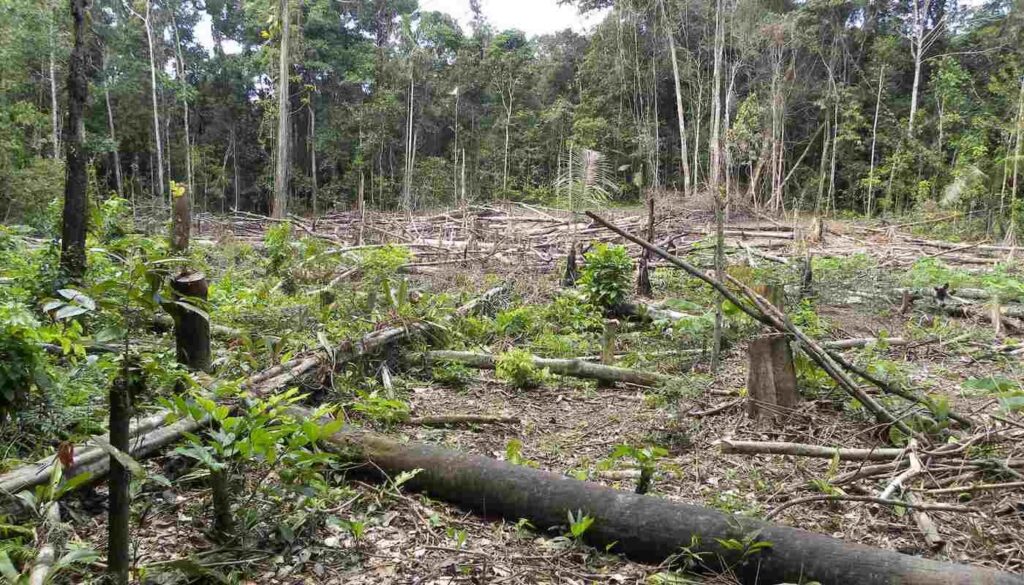
In Colombia, 43 oil blocks and 286 mining requests remain untouched. The new measure will prevent all of these projects from advancing. “Activating such projects could put the continent’s climate balance at risk,” the ministry said.
At another COP30 event, Vélez criticized mechanisms that allow corporations to sue governments for economic losses caused by environmental policies. Such systems, she argued, undermine state sovereignty and make it difficult for countries to restrict or phase out extractive industries without facing heavy penalties.
“Future generations must be able to find nature in a healthy state, the same way we have known it,” said María Soledad Hernández, coordinator of the sustainability program at the Colombia-based Amazonian Institute for Scientific Research.
“Talking about conservation does not mean refusing to use natural resources. Conservation means being sustainable, being responsible, and ensuring that all activities remain balanced and in harmony with nature,” she added.
Leave a Reply