Led by Sir David Attenborough, “Secret World Of Sound” shines a light on the often ignored noises of nature, which for many animals are the key to survival, as they face life and death decisions on a daily basis.
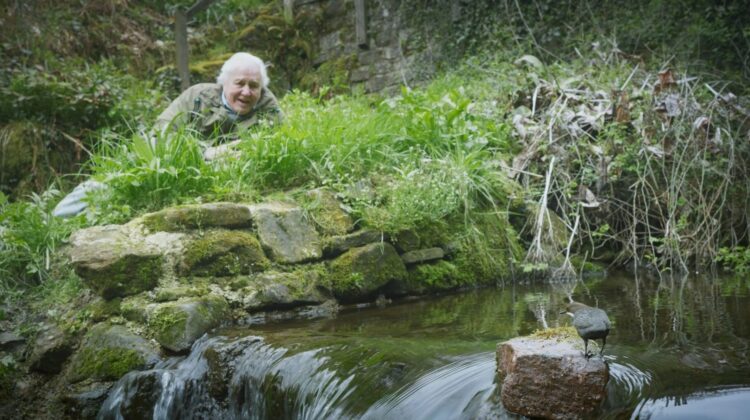
At 97, Sir David Attenborough is a man still happy to crawl on his belly through wet grass to get his shot.
For his latest Sky Nature project, “Secret World Of Sound,” the world-renowned naturalist and broadcaster explores the ways that animals hear and produce sound, using cutting-edge technology to record noises from nature – with some captured on film for the first time.
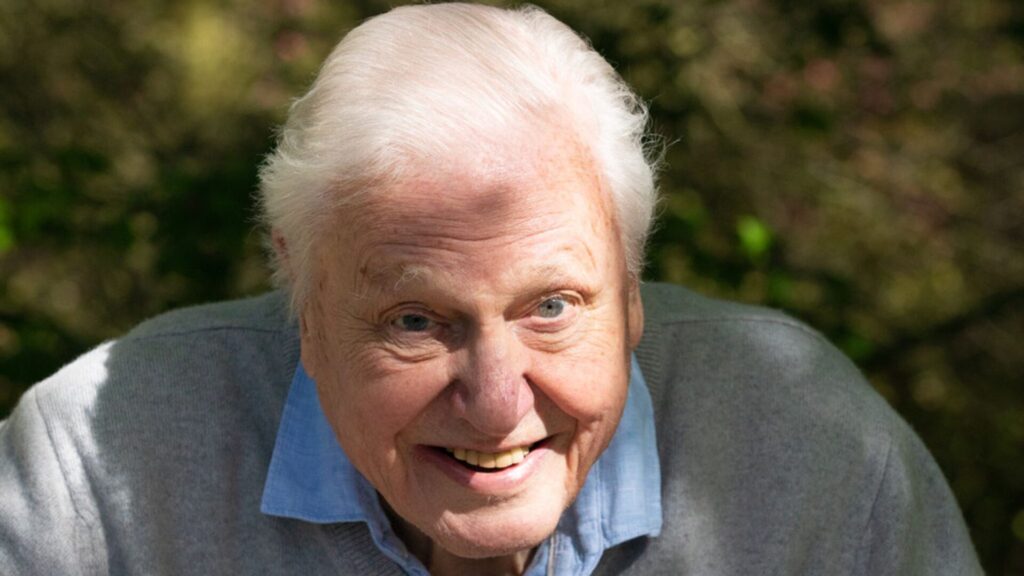
Attenborough’s long-time collaborator, and the show’s series producer, Sharmila Choudhury tells The Climate Show: “David keeps us on our toes. He sets the bar very high. And that’s a good thing.
“I think he works still works harder than most of us, usually seven days a week… When he commits himself to something, he gives it 100%.”
Joining the team for filming in the Wye Valley in Monmouth to capture the song of a wild dipper, Attenborough found himself lying on the damp ground hoping that the small bird would show up.
Truly at one with nature, he didn’t have long to wait.
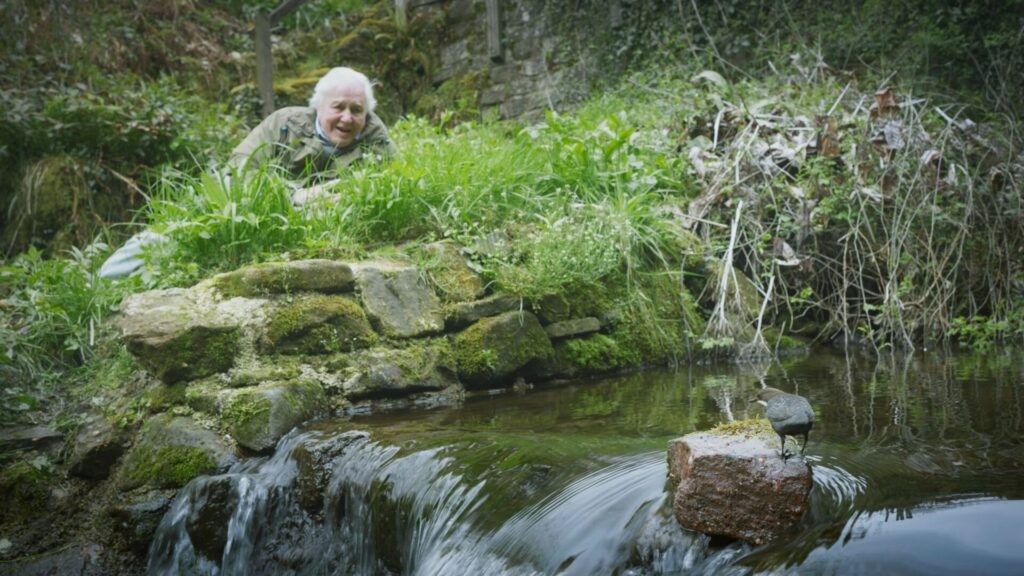
Choudhury explains: “He crawled through the grass to get into the best position, and was all up for it… We didn’t want to leave him lying in the wet grass for hours.
“Miraculously, and this often happens when David arrives on location, the sun suddenly burst through the clouds.
“The dipper flew in. David smiled and delivered his lines of what he wanted to say, you know, smoothly in one go. It’s amazing.”
For the same episode, Attenborough explains how bees are struggling with modern fertilisers and climate change.
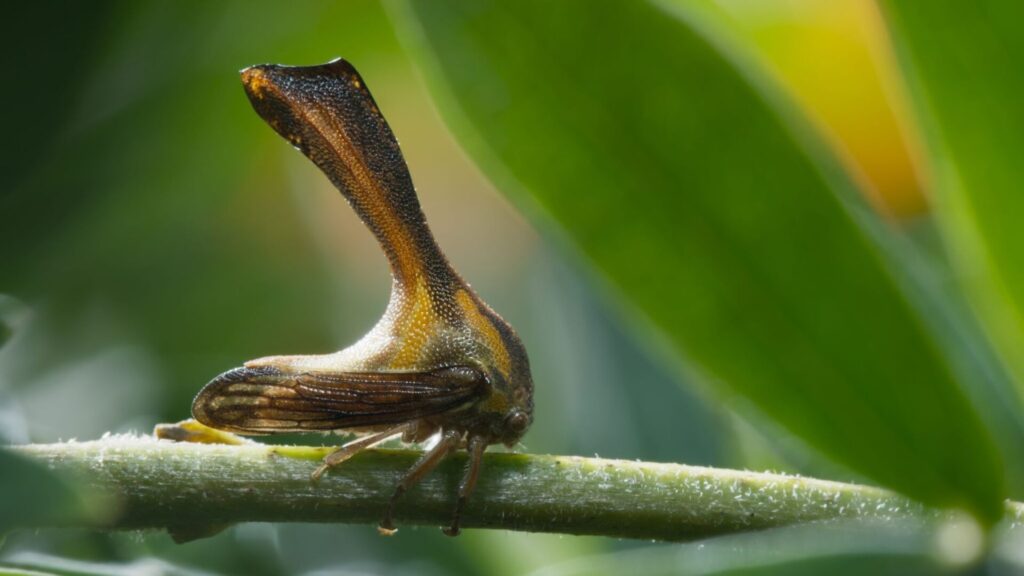
Choudhury says: “Him looking straight to camera and delivering a message like that is so powerful. It literally hits you in the core.”
Calling him an “inspiration,” and praising his “unrivalled” breadth of knowledge, she adds: “And he obviously has a fabulous voice and style of delivery, which is the cherry on the cake of any natural history program.”
A three-part series, the documentary studies animal behavior, breaking the sounds they make down into four functions – finding a mate, looking after young, hunting for food, or avoiding becoming prey.
Some of the technology used in the series was borrowed from other walks of life, while other bits of kit were of true James Bond status.
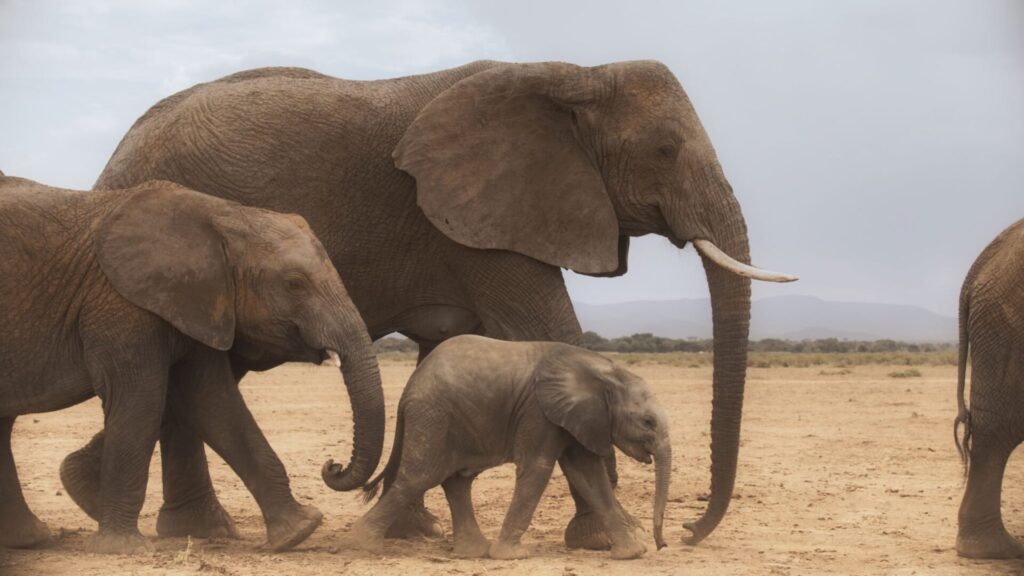
Choudhury says: “We used everything from the tiniest microphone the size of your fingernail, that you could put inside a bird nest or a beehive, to super sensitive hydrophones that you can put underwater to record, the faintest communications between fish.
“There were also a couple of, gadgets that were actually developed for other industries – the gas industry, or for espionage purposes, that we thought might help us to listen in on sounds that we don’t normally get to hear.”
One of those gadgets was the laser vibrometer – a machine that shoots out a laser beam to detect any vibrations caused by noise and amplifies them, so they are audible to the human ear.
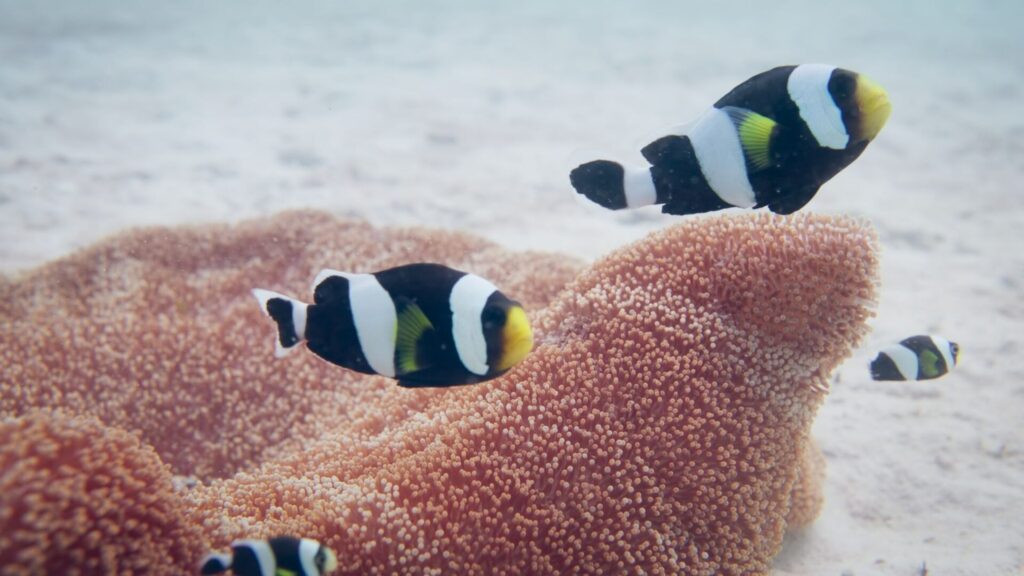
During filming, the team discovered an Australian scientist whose research had found that by playing the sound of a healthy coral reef at the site of a dying reef it could help regenerate it and bring back some of the fish.
Choudhury explains: “They are hopeful that they might be able to buy coral reefs a little bit of time whilst we tackle climate change.
“It won’t be a solution in the long run because the reef will continue to die off if the oceans continue to warm. But it’s a little ray of hope, at a time when we so badly needed.”
Leave a Reply