The winners of the 62nd Wildlife Photographer of the Year competition were announced on October 13, 2026, and for the first time in the contest’s history, both the adult and young grand-prize winners were black-and-white images. A record 65,403 entries from 121 countries and territories were submitted.
The Aftermath: The Grand Prize Winner
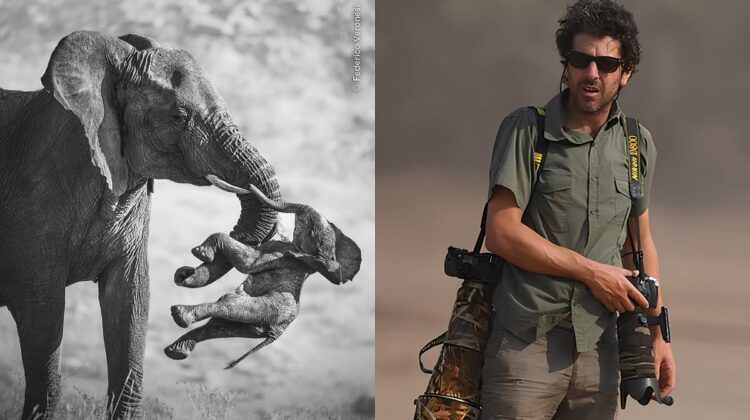
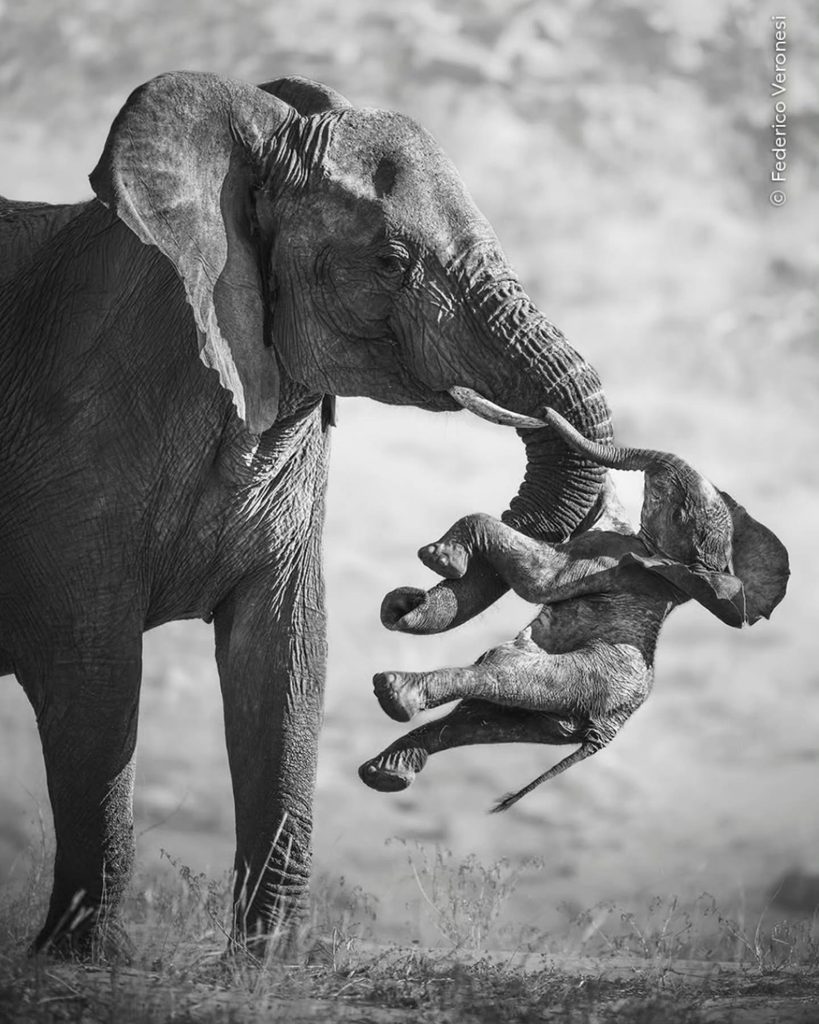
Italian photographer Federico Veronesi took the overall title with The Aftermath, taken in the Huab River Valley in Namibia. It shows a female elephant carrying the body of her dead calf, its leg wedged between her tusk and trunk.
Veronesi was tracking elephants when he noticed unusual drag marks in the sand of a dry riverbed. He followed them to a family group, where he found the mother. Deaths in elephant herds have been associated with guarding the dead, inspecting bones and carrying the body, and the photo offers a rare glimpse into complex animal behavior, and possible grief.
Jury chair Kathy Moran called the picture “heartbreakingly poignant.” It also won the Behaviour: Mammals category.
Labour of Love: The Young Winner
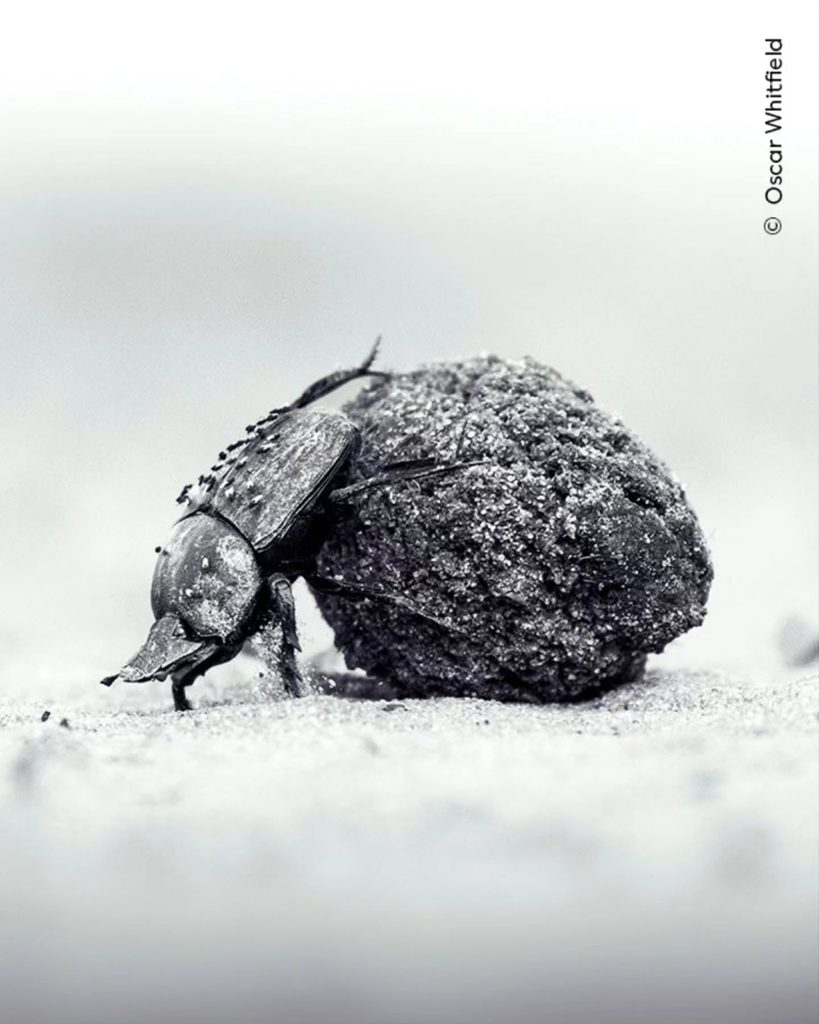
The Young Wildlife Photographer of the Year title went to 14-year-old Oscar Whitfield, a British photographer who lives in Zimbabwe. His photograph Labour of Love shows a dung beetle pushing a ball of dung across dusty ground in Zambezi National Park.
Oscar lay flat on the ground to shoot the beetle at eye level as it rolled past, and the sun and heat kicked up dry dust around him. The image also won the 11–14 years category.
Other Winners to Know
Winners were chosen in more than a dozen other categories. Among them:
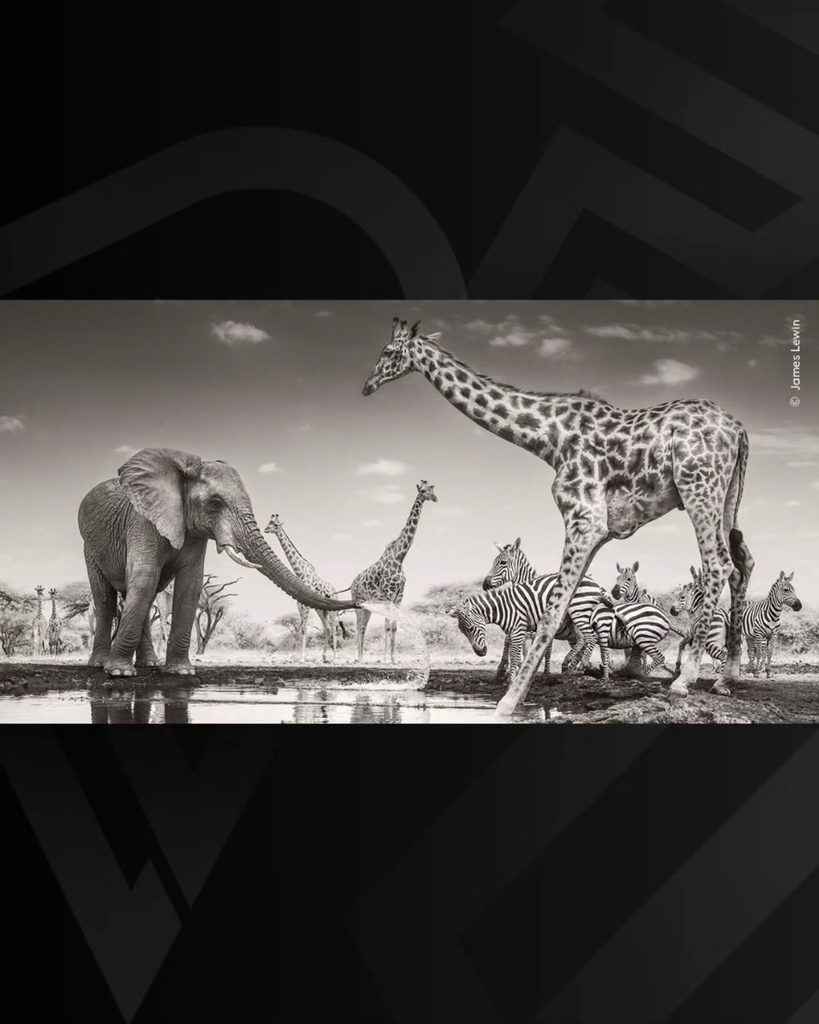
- The Meeting Place by James Lewin (UK) won Animals in their Environment, showing a young bull elephant spraying zebras at a waterhole in Kenya’s Chyulu Hills.
- Secret Worlds by Kutub Uddin took the Portfolio Award with a look at the hidden beauty of slime molds.
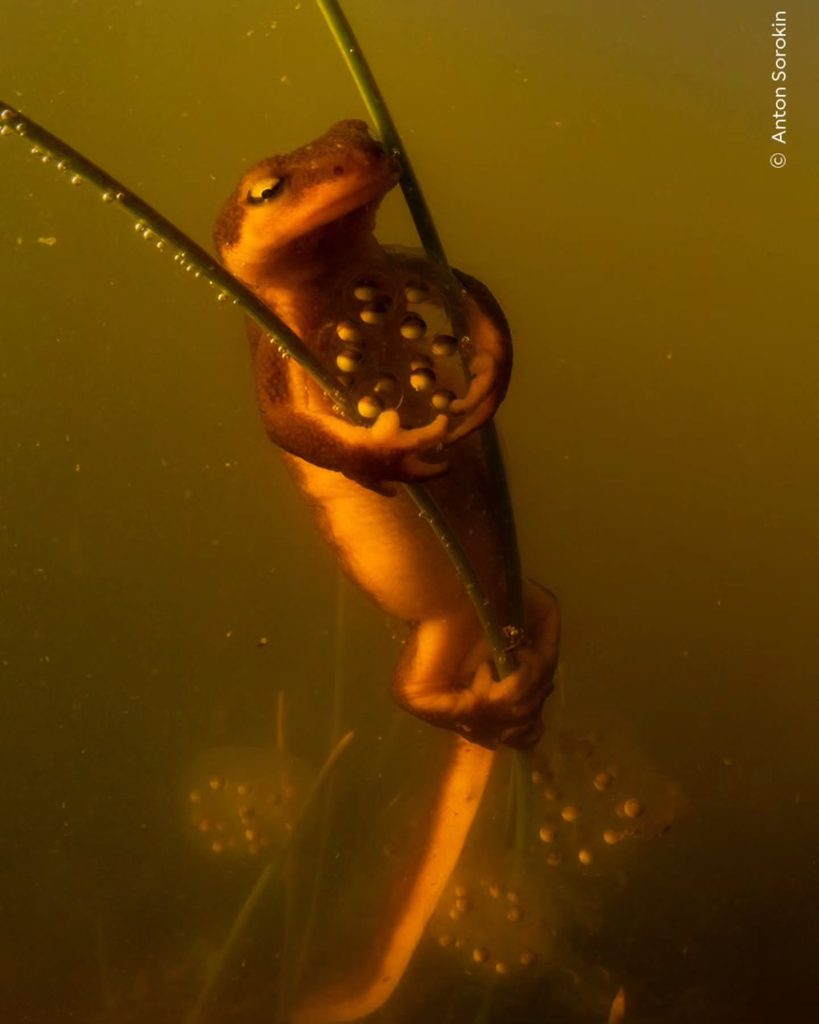
- Behaviour: Amphibians and Reptiles went to Anton Sorokin for a photo of a California newt laying eggs.
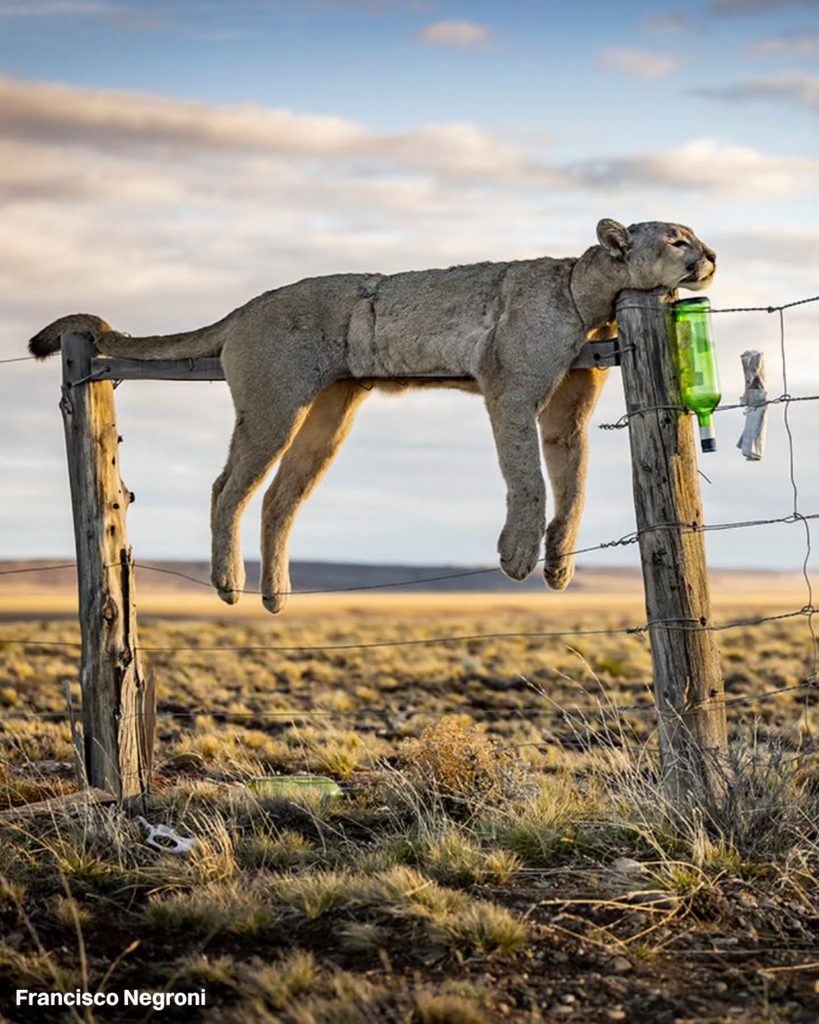
- Warning Sign by Chilean photographer Francisco Negroni won Photojournalism.
The Dead Puma That Won an Award
Negroni’s Warning Sign shows a dead puma tied to a fence in Argentina’s Patagonia, which he believes was displayed as a hunting trophy. The image was honored for highlighting the threat of illegal hunting and conflict between wildlife and livestock farmers, not for celebrating the animal’s death.
See the Photos in Person
The winning images will be on show at the Natural History Museum in London, which develops and produces the competition. The exhibition opens on October 16, 2026.
Plan Your Visit to London
If you’re planning a trip to see the exhibition:
- Book tickets early. Compare Natural History Museum tickets and London attraction passes.
- Compare flights and hotels. Look at London hotel deals near South Kensington.
- Protect your trip. Travel insurance covers cancellations and lost luggage.
- Inspired to shoot? Compare mirrorless cameras, telephoto lenses and wildlife photography courses.
- Go on safari. Consider a Namibia safari to see desert-adapted elephants.
Frequently Asked Questions
Who won Wildlife Photographer of the Year 2026? Italian photographer Federico Veronesi won with The Aftermath, a black-and-white image of an elephant carrying her dead calf in Namibia.
Who won the young category? Oscar Whitfield, aged 14, won Young Wildlife Photographer of the Year with Labour of Love, a photograph of a dung beetle in Zimbabwe.
How many entries were there? A record 65,403 entries from 121 countries and territories.
When does the exhibition open? The exhibition at the Natural History Museum in London opens on October 16, 2026.
Sources: CNN, Positive News, Euronews, Popular Science, and Discover Wildlife, all covering the October 2026 announcement of the Wildlife Photographer of the Year winners, including Federico Veronesi’s The Aftermath and Oscar Whitfield’s Labour of Love.
Leave a Reply