
The release of declassified Pentagon materials related to unidentified aerial phenomena has reignited public debate — not only about extraterrestrial possibilities, but also about how unexplained sightings are interpreted through religious belief.
Among those responding were several Christian leaders who argued that mysterious aerial phenomena may not necessarily point to alien civilizations, but could instead be understood through spiritual or theological frameworks.
The recently discussed files included historical government documents, images and reports involving unexplained objects observed by military personnel, astronauts and civilians over several decades.
While many view such disclosures through scientific, defense or extraterrestrial lenses, some religious commentators have offered an alternative perspective rooted in biblical teachings about angels, spiritual beings and unseen realms.
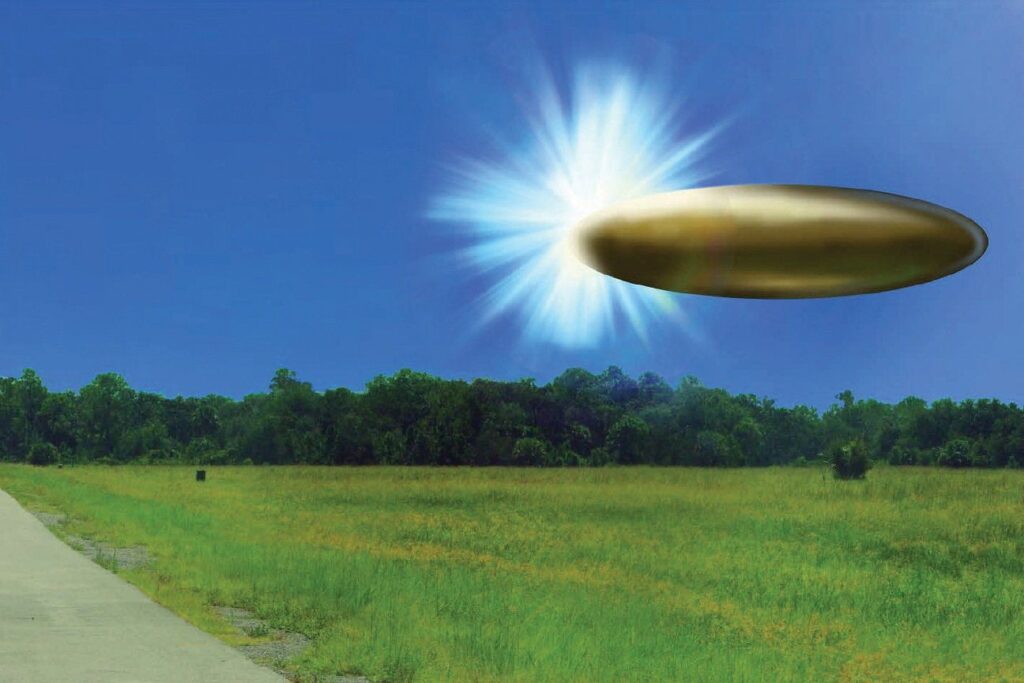
Jeremiah J. Johnston of the Christian Thinkers Society publicly expressed skepticism that blurry or inconclusive imagery should automatically be treated as evidence of alien life. Instead, he argued that religious texts have long described intelligent non-human beings, though within a spiritual rather than extraterrestrial context.
Other Christian figures echoed similar caution, suggesting that society’s cultural tendency to interpret unexplained phenomena as alien may overlook spiritual interpretations present in longstanding theological traditions.
These views often draw on biblical passages involving visions, angelic beings and supernatural manifestations, framing certain unexplained events as potentially “extra-dimensional” rather than interplanetary.
At the same time, mainstream scientific and governmental approaches to unidentified aerial phenomena generally focus on national security, aerospace analysis, sensor limitations and the need for further evidence before reaching extraordinary conclusions.
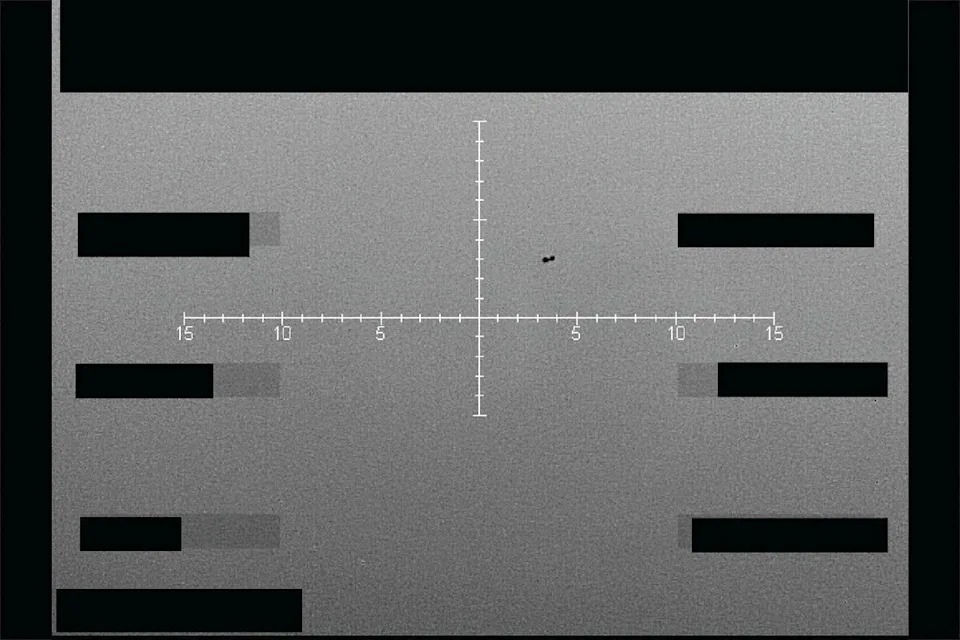
Experts across multiple disciplines continue to emphasize that unidentified does not automatically mean extraterrestrial, supernatural or divine — only that available evidence has not yet provided a definitive explanation.
The broader discussion highlights how UFO narratives frequently intersect with science, religion, philosophy and popular culture, often reflecting deeper societal questions about humanity’s place in the universe.
For some faith communities, unexplained aerial sightings are approached cautiously through spiritual doctrine. For others, they remain questions best explored through scientific investigation.
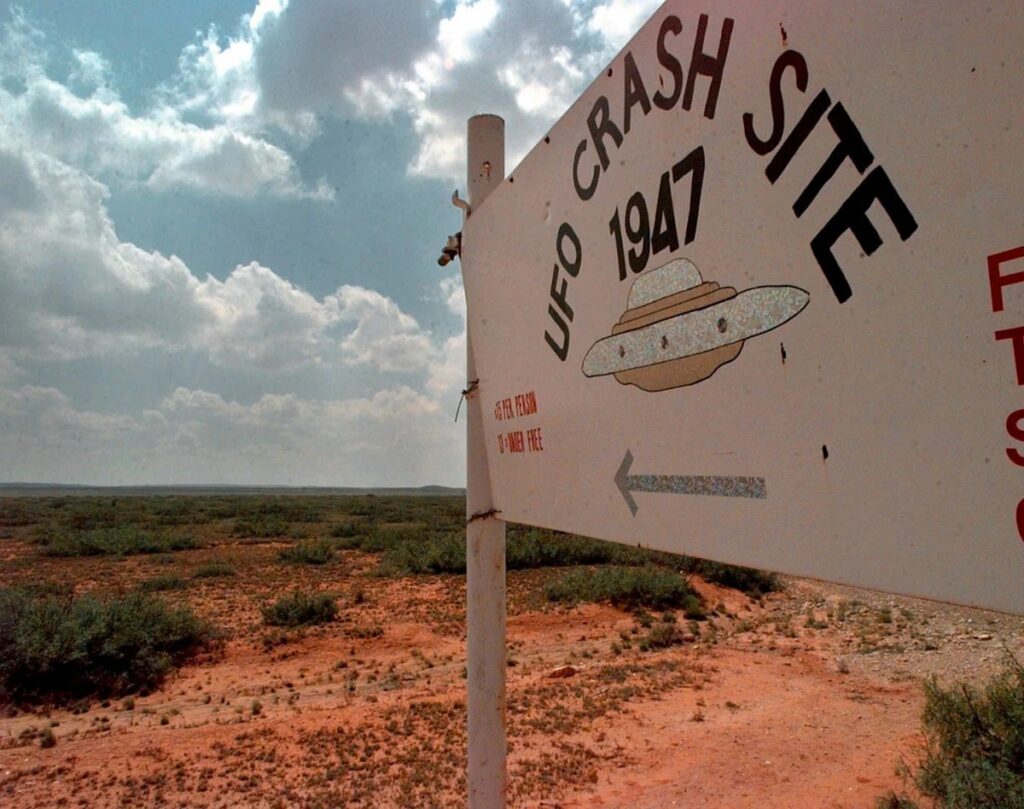
As public fascination with UFOs continues, interpretations are likely to remain diverse, shaped by worldview, belief systems and evolving evidence.
Why UFO debates continue to capture public attention
The growing discussion around unidentified aerial phenomena also reflects larger interests in aerospace defense, space exploration, religion, philosophy and emerging technology. Whether approached through science, national security or theology, such debates often reveal as much about human belief systems as they do about the unexplained objects themselves.
Leave a Reply