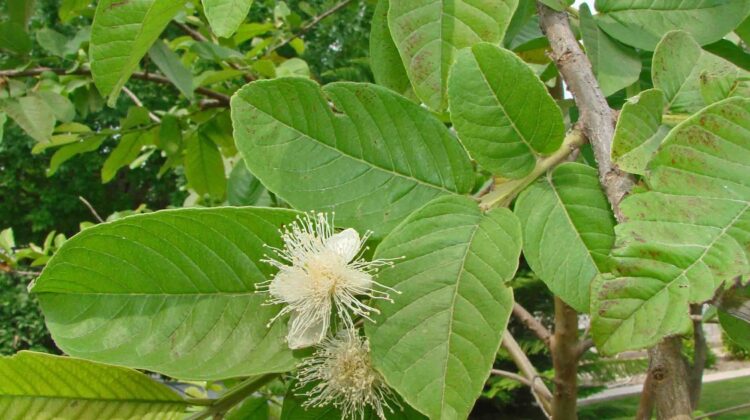
Guava is widely known for its tropical fruit, but in many traditional health practices, guava leaves have also been used for oral hygiene. Rich in plant compounds such as flavonoids, tannins and antioxidants, guava leaves have long been associated with antibacterial and anti-inflammatory properties.
Some people use them as a low-cost home remedy for fresh breath, mild gum discomfort and general mouth care. However, dental experts stress that natural remedies should not replace professional diagnosis or treatment for cavities, infections or serious tooth pain.
While scientific research into guava leaves is still developing, here are three commonly used traditional methods that may support oral hygiene as part of a broader dental care routine.
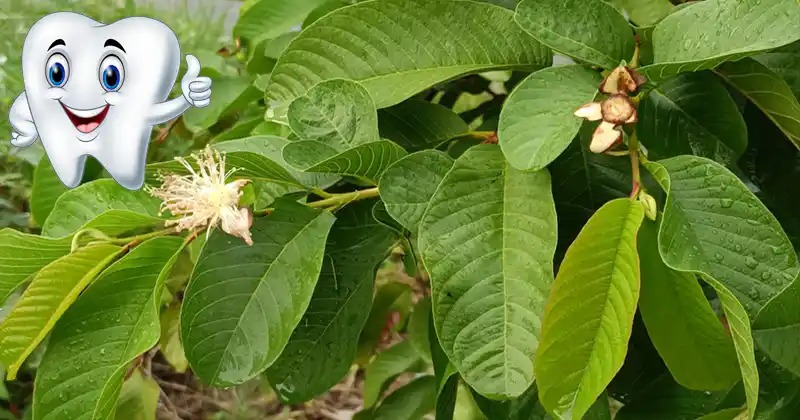
1. Chewing fresh guava leaves
One of the oldest traditional approaches is simply chewing washed guava leaves.
Basic method:
- Wash two or three tender guava leaves thoroughly
- Chew slowly for several minutes
- Allow the natural juices to mix with saliva before discarding
Traditional belief suggests this may help reduce odor-causing bacteria, support gum comfort and temporarily ease minor oral irritation.
2. Homemade guava leaf mouth rinse
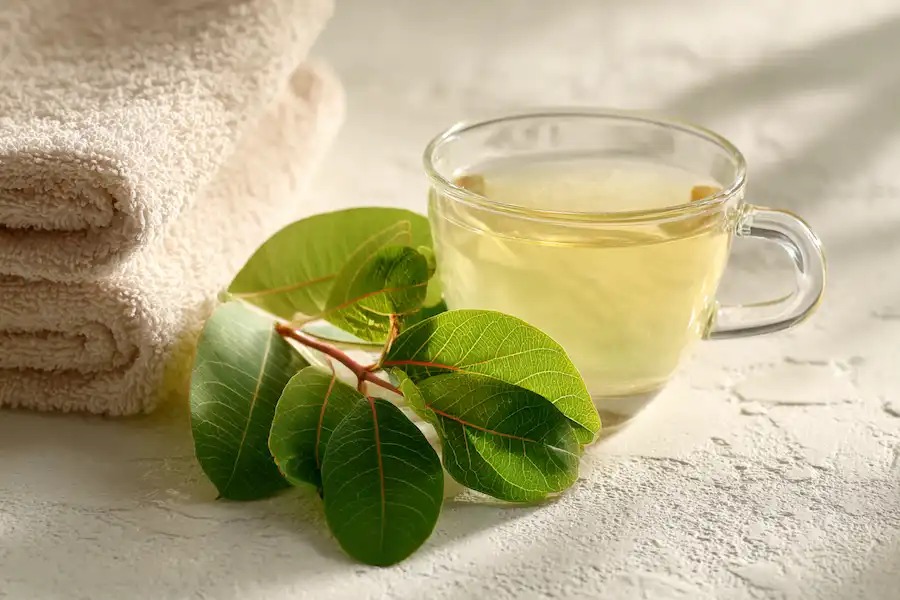
For those who prefer a rinse, boiled guava leaf water is another commonly used option.
Basic method:
- Boil five to seven guava leaves in water for about 10 minutes
- Strain the liquid
- Allow it to cool to a lukewarm temperature
- Use as a mouth rinse once or twice daily
This is often used as a natural alternative to commercial mouthwash, though it should not be considered a substitute for medically approved treatments when infection is present.
3. Guava leaf paste with salt
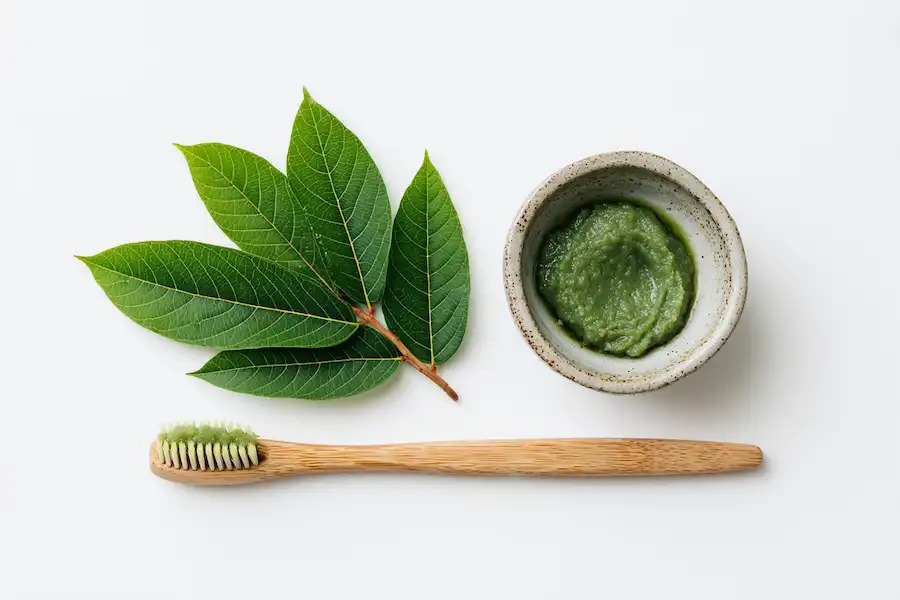
A more direct traditional application involves crushing guava leaves into a paste.
Basic method:
- Crush fresh leaves into a paste
- Add a small pinch of salt
- Apply gently to gums or the affected area
- Leave briefly before rinsing
In traditional home care, this method is sometimes used for temporary soothing, though individuals with sensitive gums should proceed carefully.
Important dental reality
Although guava leaves may offer supportive oral hygiene benefits, tooth decay is a structural dental disease that usually requires professional care. Once enamel damage or cavities develop, home remedies alone are unlikely to reverse them.
Dentists generally recommend:
- Brushing twice daily with fluoride toothpaste
- Daily flossing
- Limiting sugar intake
- Regular dental check-ups
- Professional treatment for pain, cavities or infection
The bigger picture
Natural remedies can sometimes play a supportive role in preventive wellness, particularly in regions where traditional medicine remains common. But oral health experts caution that delaying proper dental care can allow minor issues to become more serious and expensive.
Guava leaves may be a practical part of traditional oral care for some households, but they are best viewed as supplementary rather than curative.
Why preventive oral health matters
Good dental care is increasingly linked to broader health outcomes, including heart health, inflammation management and long-term medical costs. Affordable preventive habits — whether traditional or clinical — may help reduce future expenses tied to dental procedures, emergency care and chronic oral disease.
Leave a Reply