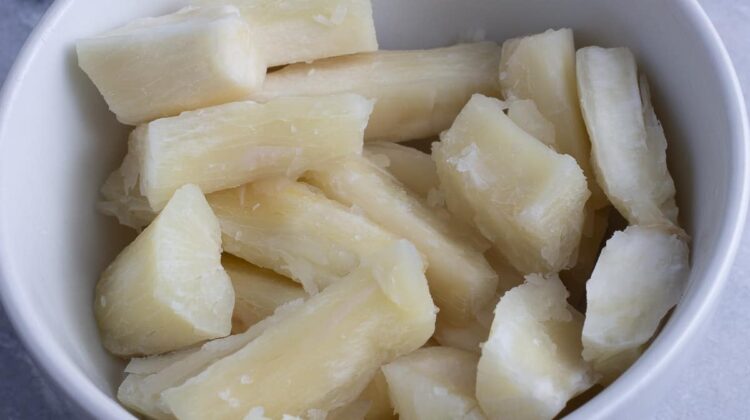
Cassava is a common root vegetable enjoyed in many parts of the world. It can be boiled, steamed, fried, baked, or processed into foods such as tapioca. When prepared correctly, cassava can be a filling source of carbohydrates and can fit into many traditional meals. However, eating cassava the wrong way may lead to digestive discomfort, including bloating, stomach pain, nausea, gas, or diarrhea.
Many people think cassava is simple to eat because it looks similar to other root vegetables. But cassava requires careful preparation. Some mistakes, such as eating it undercooked or consuming too much at once, can make your stomach feel uncomfortable. Here are some common mistakes when eating cassava that may affect your digestive system.
Eating Cassava Raw or Undercooked
One of the biggest mistakes is eating cassava raw or not cooking it properly. Cassava should never be eaten raw. Raw cassava contains natural compounds that can be harmful if they are not reduced through proper preparation and cooking.
To make cassava safer to eat, it should be peeled, washed, cut into pieces, and cooked thoroughly. Boiling is one of the most common methods. The cassava should become soft all the way through before eating. If it still feels hard, dry, or bitter, it may not be cooked enough.
Not Peeling It Properly
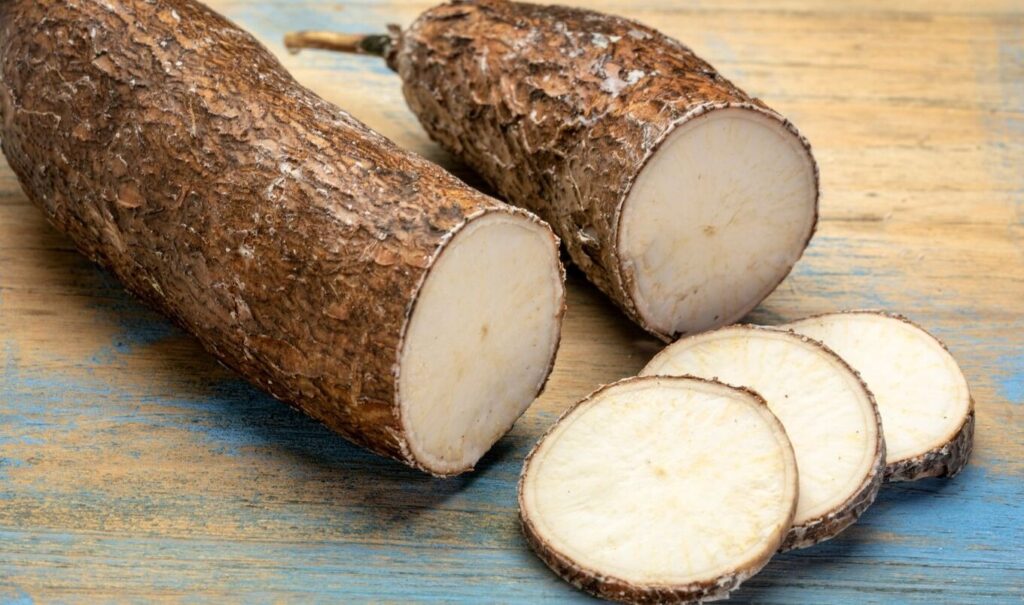
Cassava has a thick outer skin that should be removed before cooking. Some people peel it too quickly and leave parts of the skin or tough layer behind. This can affect both the taste and digestion.
The skin and outer layer are not pleasant to eat and may make the cassava harder to digest. Always peel cassava completely, then rinse it well before cooking. Clean preparation helps reduce dirt, unwanted residue, and bitterness.
Eating Too Much at One Time
Cassava is rich in starch and can be very filling. Eating too much in one meal may cause heaviness, bloating, or stomach discomfort, especially for people who are not used to eating starchy foods in large amounts.
A better approach is to eat cassava in moderate portions and pair it with vegetables, protein, or soup. This creates a more balanced meal and may be easier on the digestive system.
Eating Cassava That Tastes Bitter
Cassava can be sweet or bitter depending on the variety. Bitter cassava needs extra careful preparation because it may contain higher levels of natural toxins. If cassava tastes strongly bitter after cooking, it is safer not to continue eating it.
Bitterness can also make the food unpleasant and may upset the stomach. When buying cassava, choose firm roots that look fresh, without mold, strong odor, or dark damaged spots.
Reusing Cooking Water
Another mistake is using the water left after boiling cassava for soup or other dishes. The cooking water may contain substances released from the cassava during boiling. It is better to discard the water after boiling and use fresh water or broth for other recipes.
This simple habit can make cassava preparation safer and cleaner.
Adding Too Much Oil, Sugar, or Coconut Milk
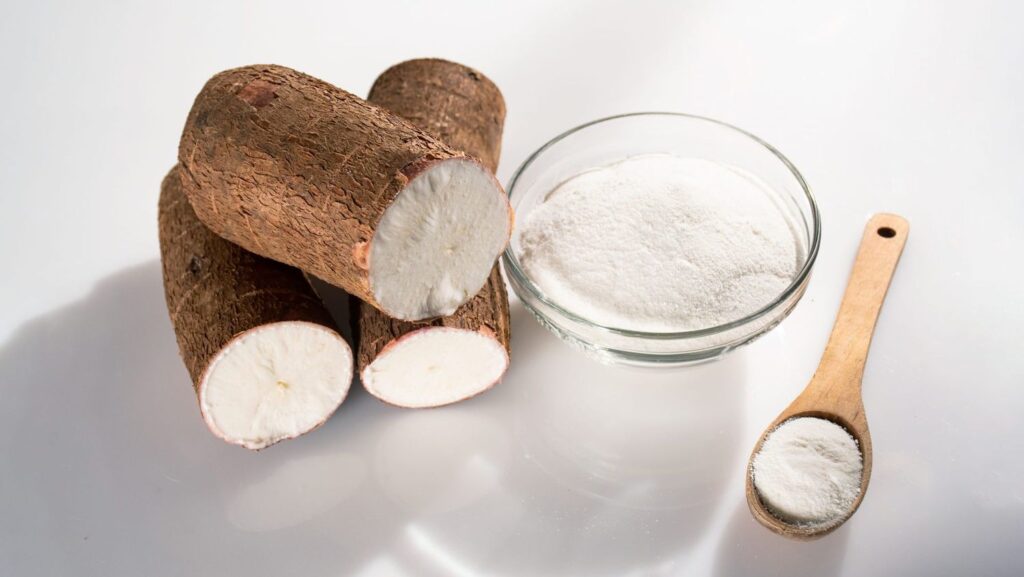
Cassava is often prepared with fried coatings, sweet syrups, coconut milk, or rich sauces. While these versions can be delicious, they may also be heavy on the stomach. Too much oil or sugar can cause discomfort, especially when combined with a large portion of cassava.
For a lighter option, try boiled or steamed cassava with a small amount of seasoning. This allows you to enjoy its natural flavor without making the dish too heavy.
Eating Cassava Too Late at Night
Cassava is dense and starchy, so eating a large portion late at night may leave you feeling too full before sleep. Some people may experience bloating or indigestion if they lie down soon after eating it.
If cassava often makes you feel heavy, try eating it earlier in the day and keeping the portion smaller at dinner.
Final Thoughts
Cassava can be a satisfying and useful food when prepared the right way. The most important rule is to never eat it raw or undercooked. Peel it carefully, wash it well, cook it thoroughly, and avoid eating large portions at once.
When enjoyed in moderation and prepared safely, cassava can be part of a balanced diet. But small mistakes in preparation or portion size may turn this simple root vegetable into a cause of digestive discomfort.
Leave a Reply