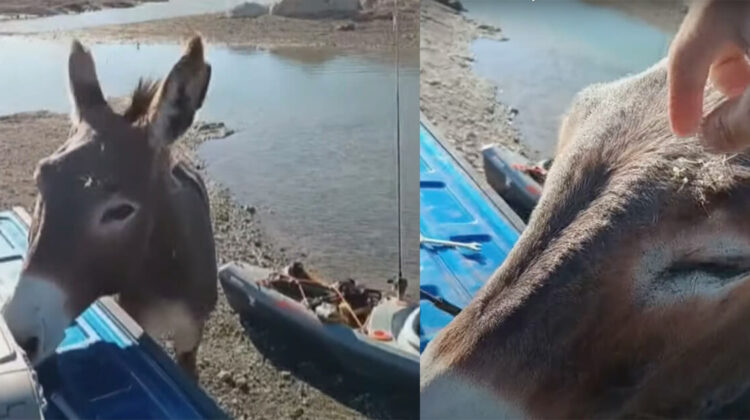
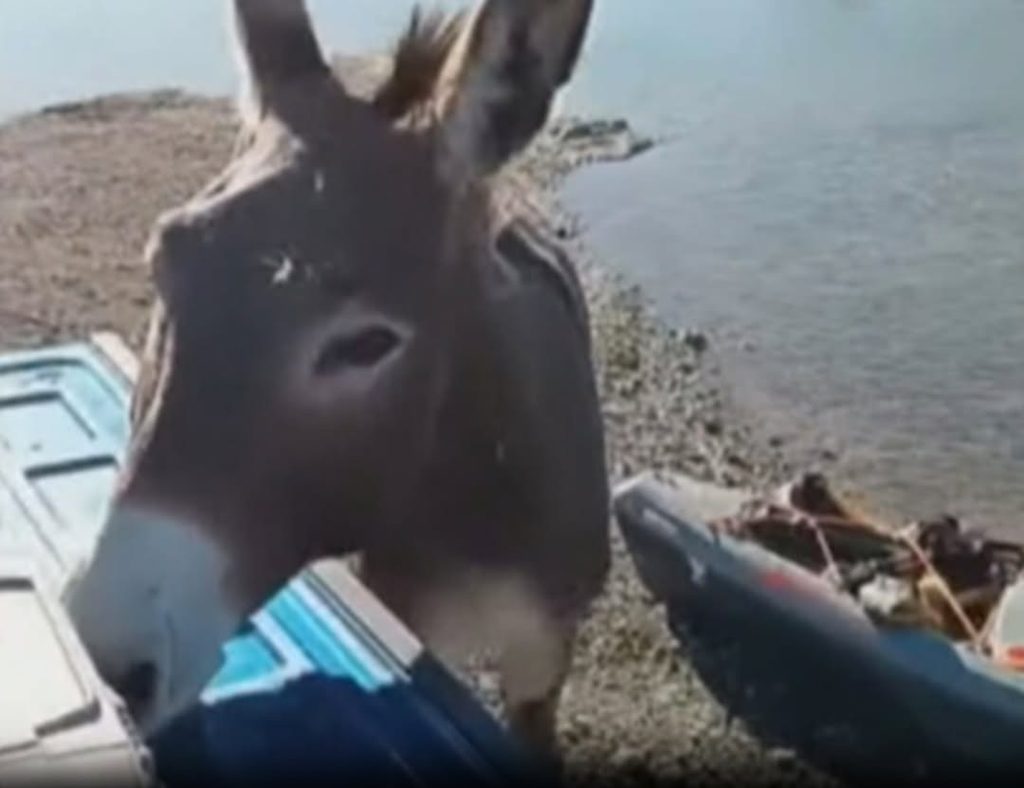
Travis Ward had just set his kayak by the water at Lake Pleasant, near Phoenix, Arizona, when a wild donkey started walking straight toward him. Donkeys are a familiar sight around the lake, but Ward had never had one come this close. As it got nearer, he noticed what was wrong.
A Face Full Of Spines
Ward started kayaking about a year before the encounter. He lives near the lake and goes out nearly every weekend, according to 12News, which first reported the story in September 2023. “For me it’s just connecting with nature,” he told the station.
The donkey, he saw, had thorns in its nose and ear. The spines were most likely from the thousands of saguaros that grow around the lake, 12News reported. “I could just tell he was in pain,” Ward said.
Plucking Them Out One By One
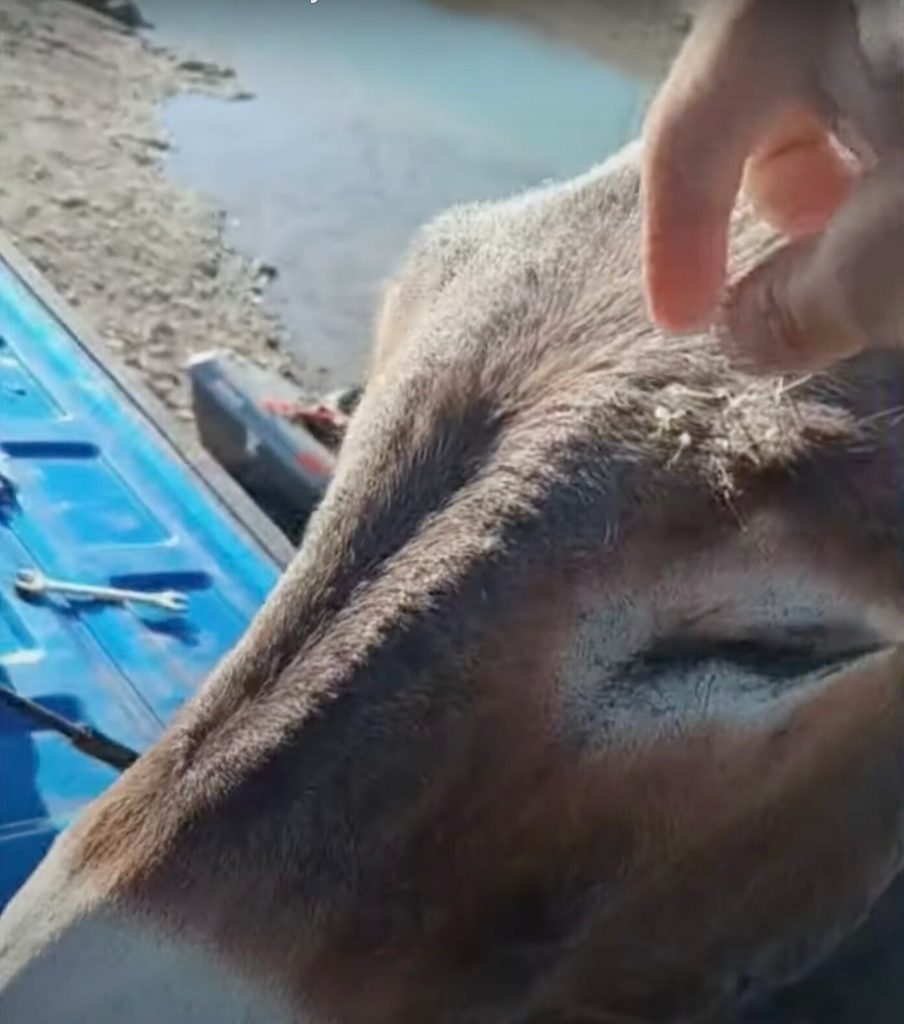
Ward told KPNX, the station behind 12News, that he thought the donkey might be asking him for help, and wondered whether it wanted him to take the spines out. He moved slowly toward the animal and started pulling them out one at a time, as Live 5 News reported.
He removed about 40 spines in total. The donkey stayed calm and still throughout, Ward said, and let him finish.
A “Thank You” In Donkey
When it was over, the donkey brayed for about a minute and then wandered off, Ward said. He described it as the animal’s way of saying thanks. Whether the donkey was thanking him is impossible to know, but it clearly accepted his help.
Ward stood on the beach for about ten minutes, taking in the moment, before getting into his kayak. “I felt really good after,” he told the station.
Why Cactus Spines Are Such A Problem For Wildlife
Desert animals run into cacti regularly, and some spines can cause real trouble. In a separate Arizona case, the Southwest Wildlife Conservation Center treated a coyote pup covered in hundreds of cholla spines, including in his nose, tongue, tail and paws. Veterinary technician Berkeley Martineau said the spines are barbed and compared them to fish hooks. The pup had to be sedated, and removing all the spines took about two and a half hours, according to CBS affiliates that carried the report.
Barbed spines can work deeper into tissue over time and may cause infection, which is why wildlife professionals recommend professional care for badly injured animals.
A Word Of Caution
Ward’s story ended well, but it isn’t a how-to. Wild and feral animals are unpredictable, and even a calm donkey can bite or kick if it’s frightened or in pain. Removing spines from a wild animal’s face, near the eyes especially, carries risk for both person and animal.
If you see an injured animal in a park or natural area:
- Keep your distance and don’t touch it unless a professional tells you to.
- Contact park rangers or a local wildlife agency and describe the animal’s condition and location.
- Never feed wild or feral animals, which can make them dependent on people and put them at risk.
Frequently Asked Questions
Where did this happen? At Lake Pleasant, near Phoenix, Arizona.
How many spines did the kayaker remove? About 40, according to Ward.
What kind of cactus were the spines from? They were likely from saguaros, which grow by the thousands around the lake, according to 12News.
Is it unusual to see donkeys at Lake Pleasant? No. Wild donkeys are a common sight around the lake, though this one approached Ward unusually closely.
Should you try to help an injured wild animal? It’s safest to call park rangers or a wildlife agency rather than touching the animal yourself.
Sources: 12News (KPNX), Live 5 News, KGUN 9, and CBS affiliates carrying the Southwest Wildlife Conservation Center report.
Leave a Reply