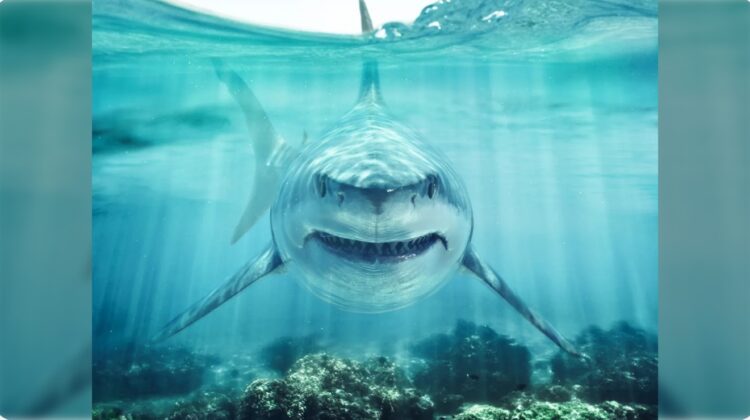
Dolphins, turtles, jellyfish, even smaller sharks: walk through almost any major aquarium and you’ll find all of them. One animal you’ll never see on exhibit, no matter how large or well-funded the aquarium, is a great white shark.
A History of Failed Attempts
The first recorded attempt to house a great white shark in captivity was in 1955, at Marineland of the Pacific in Los Angeles. The shark didn’t survive a single day. That same facility had similar struggles with other shark species around the same period; blue sharks held there reportedly had to be force-fed by divers who pried open their jaws to keep them from starving.
Captivity attempts picked up through the 1970s and into the 1980s as public fascination with sharks grew, fueled in part by the release of “Jaws.” In 1981, SeaWorld San Diego managed to keep a young great white alive for 16 days, a record that would stand for more than two decades, before she died.
The One Real Success Story
That changed in 2004, when the Monterey Bay Aquarium in California acquired a young female great white that had been accidentally caught by a halibut fisherman. Housed in the aquarium’s million-gallon Outer Bay exhibit, she survived, fed, and remained on public display for 198 days, by far the longest a great white has ever been successfully kept in an aquarium setting. She was released back into the ocean in March 2005 after she began preying on other fish in the tank, tagged so researchers could track her afterward. Monterey Bay went on to house several more young great whites over subsequent years, with results ranging from brief stays to one shark lasting 152 days before release.
Even Monterey’s success came with caveats: it required an unusually large tank, a carefully managed transition process, and constant monitoring, and every shark involved was eventually released rather than kept long-term.
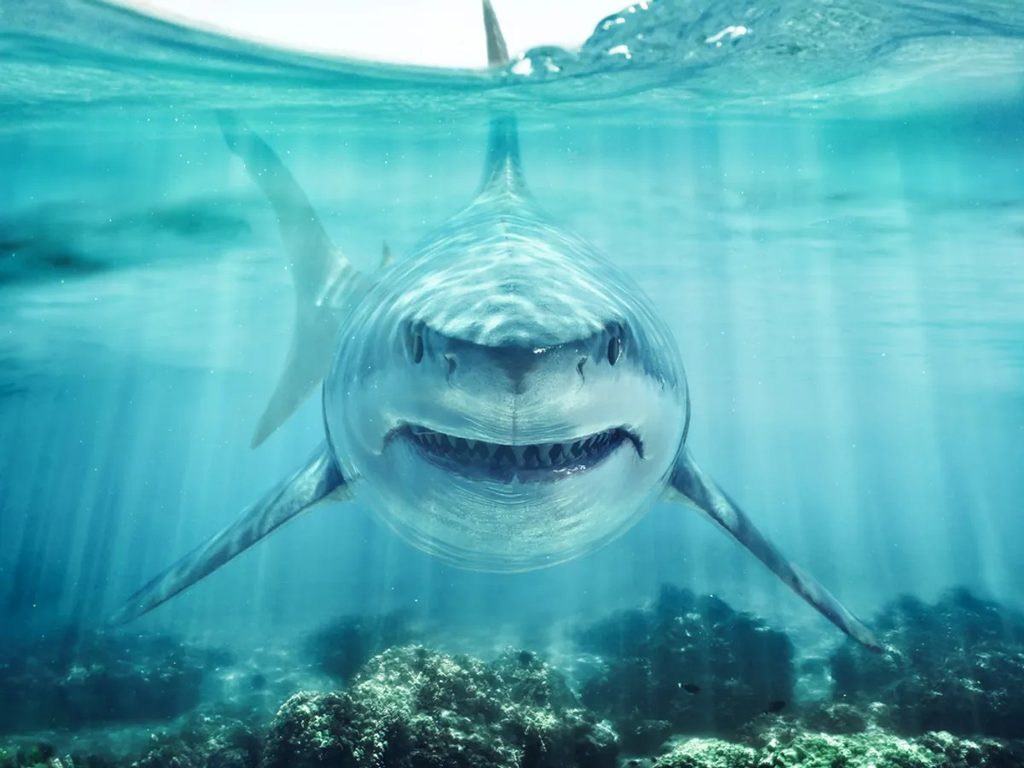
Elsewhere, results have been far less promising. A great white at Manly Marineland in Australia lived about 10 days and even began eating live fish on its own, a rare bright spot. Most other attempts ended within days. The most recent, at Japan’s Okinawa Churaumi Aquarium in 2016, saw an 11-foot shark die after just three days, after which the aquarium ended its great white exhibit program entirely. No aquarium has attempted long-term great white captivity since.
Why They Struggle So Much
Several factors make great whites especially poor candidates for aquarium life.
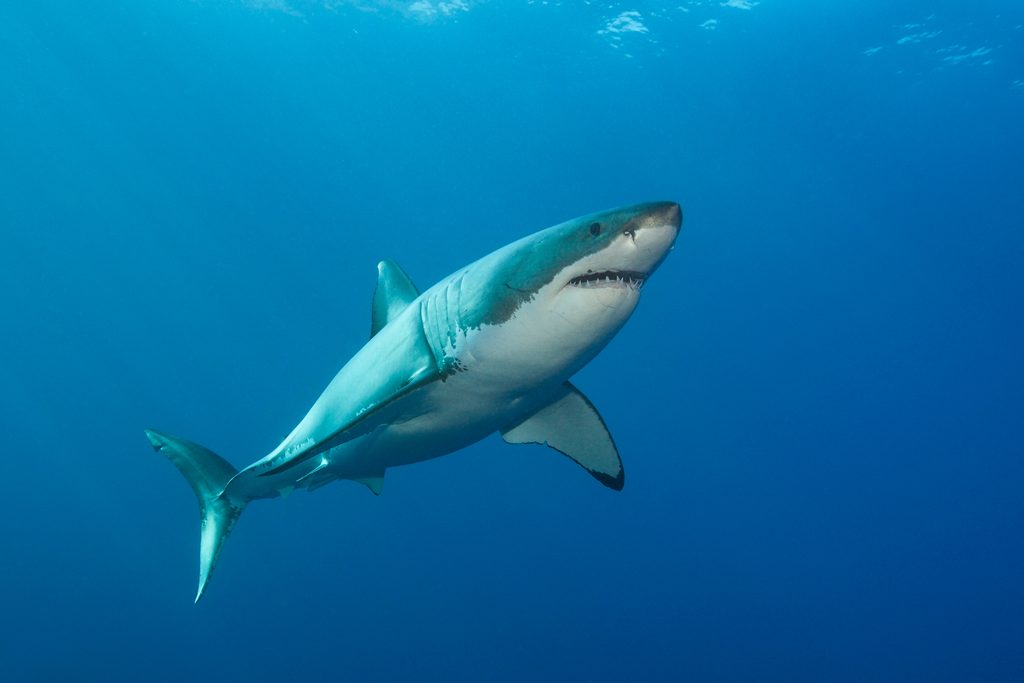
They need to keep moving. Great whites rely on a process called ram ventilation, swimming continuously so water flows over their gills, to breathe. A tank too small to allow that constant motion can leave them unable to get enough oxygen.
Their diet is a problem. Great whites hunt live prey, including fish, rays, and marine mammals. Replicating that in a controlled aquarium setting is both extremely expensive and, for many visitors, difficult to watch.
They’re built for huge distances. In the wild, great whites are highly migratory, regularly covering hundreds of miles. No tank, however large, can come close to replicating that range.
Stress shows up fast. Captive great whites have repeatedly been observed losing their appetite, refusing to eat, and in some cases repeatedly ramming their snouts into tank walls, behavior researchers associate with stress in a confined, unfamiliar space.
The Bottom Line
More than a dozen serious, well-funded attempts over nearly 70 years have produced exactly one qualified success, and even that one ended in release rather than long-term display. For now, and likely for the foreseeable future, the only place to reliably see a great white shark is in the open ocean, which is also, by every account, where they belong.
Frequently Asked Questions
Has any aquarium successfully kept a great white shark long-term? No. The longest successful stay, 198 days at Monterey Bay Aquarium, still ended in release back to the wild.
Why can’t great white sharks just stop swimming like other fish? They rely on ram ventilation, meaning continuous forward motion to push water over their gills for oxygen; without enough space to keep moving, they can struggle to breathe properly.
Is anyone currently trying to keep a great white shark in captivity? Not as of the most recent known attempt, in 2016, after which the aquarium involved ended the practice.
Sources: Monterey Bay Aquarium (via NBC News, LiveScience, Monterey County Now); Vice; Reader’s Digest; IFLScience; Shark Bookings; UniLad; BeAmazed.
Leave a Reply