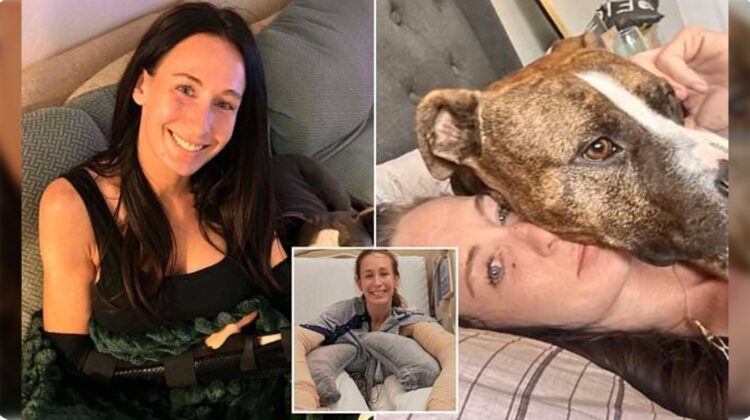
Liz Shidler had fostered dogs for nearly five years without a single serious incident. That changed on July 8, when a dog she’d taken in to save from euthanasia left her fighting to keep her own arm.
A Routine Foster, Until It Wasn’t
Shidler, a 41-year-old nurse from Tempe, Arizona, worked with the rescue Desert Dog Project and had fostered dogs regularly for years. When a stray pit bull named Benny came through Maricopa County Animal Care & Control, he was initially placed on a euthanasia list — not for behavioral reasons, but because of a chronic skin condition that needed treatment outside the shelter setting. He was transferred to a rescue partner after ten days, and Shidler took him in.
For nearly a month, there were no issues. Then on July 8, while Shidler was taking Benny and her three other dogs outside, Benny turned on one of them. “I had to drag him to a bedroom. And so that’s where it escalated beyond my abilities,” Shidler told AZFamily.
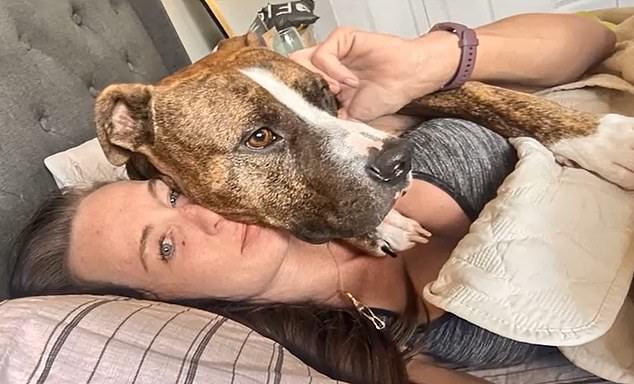
The Attack
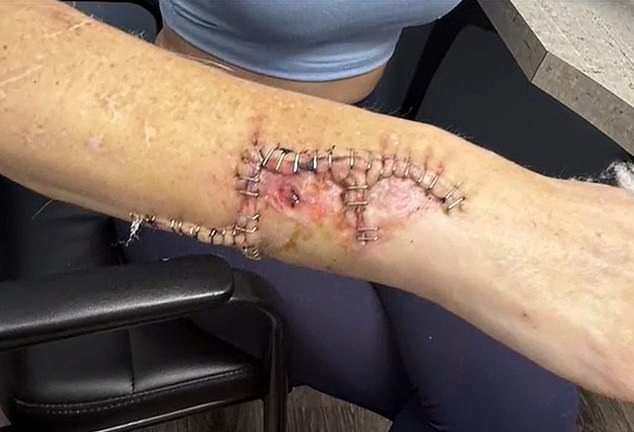
Benny latched onto her arm and, according to Shidler, didn’t let go for what felt like hours as she struggled to free herself. The bite tore an artery. “I actually almost lost my left arm. I lost three units of blood,” she said. “And then calling 911 was hard because my blood kept cutting off the phone call.”
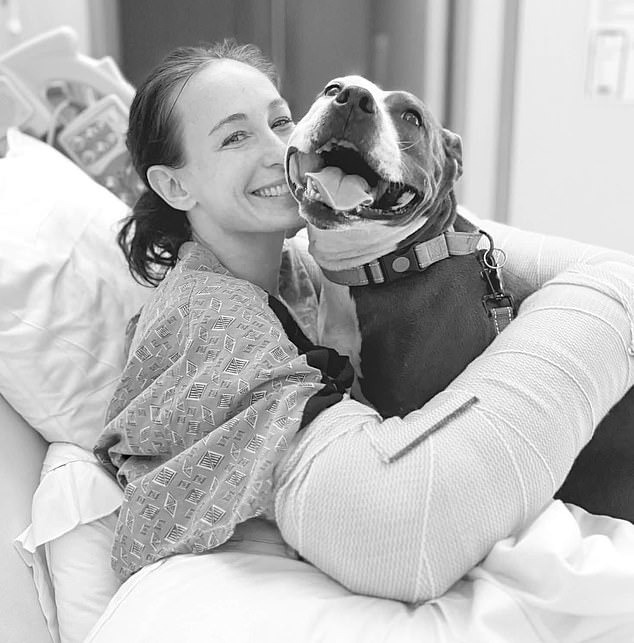
Shidler spent four days in the hospital and underwent emergency surgery. Months later, she still can’t use her arms independently. “I can’t even put my hair in a ponytail. I can’t do anything,” she said.
Life After the Attack
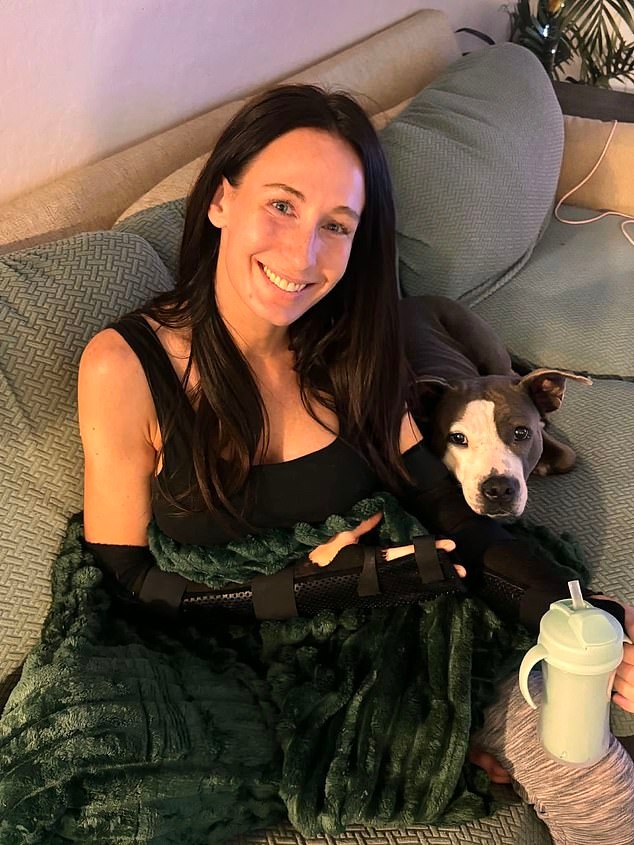
A GoFundMe organized by a friend, Jennifer Farris, describes a recovery that doctors expect will keep Shidler out of work for at least a year. She’s currently living with a friend who works from home and helps with daily tasks — getting dressed, preparing food, even washing her hands. An unemployment claim she filed was denied and is now under appeal, adding financial pressure on top of the physical recovery. “Liz has spent years caring for others as a nurse, through dog rescue, and as the kind of person friends could always count on,” the fundraiser reads. “Now Liz is the one who needs her community to show up.”
What the Shelter Says
A Maricopa County Animal Care & Control spokesperson confirmed Benny showed no behavioral concerns during his time in county custody: “For the 10 days he was at MCACC, we did not notice any behavioral concerns. What happened to Ms. Shidler is very unfortunate and we wish her a full recovery.”
Why Shidler Is Speaking Out
Rather than warning people away from fostering, Shidler says her goal is making sure others go in with open eyes. “We forget our boundaries when we think with our heart. And that leads to this stuff. And I don’t want that to happen,” she said, encouraging fellow foster volunteers to ask more questions and understand the risks before bringing a new dog home — especially one whose full behavioral history isn’t fully known.
The Bigger Picture on Dog Bites
Shidler’s case is severe, but dog bites overall are far more common than most people realize. According to the American Veterinary Medical Association and the CDC, roughly 4.5 million people are bitten by dogs in the U.S. each year, with about 800,000 requiring medical treatment. Animals 24-7, a nonprofit that tracks dog attack data, recorded 84 dog-related deaths across the U.S. and Canada last year — including Angel Rawlings, 22, killed by two pit bulls at her Missouri home in December 2025, and Emily Panuco, 27, killed in California in February 2026 while trying to shield her young son during an attack.
A Few Practical Notes for Anyone Considering Fostering
Shidler’s experience doesn’t mean fostering is inherently dangerous — most foster placements go smoothly, which is exactly why organizations rely on volunteers. But her story points to a few reasonable precautions:
- Ask the shelter directly what’s actually known about a dog’s behavioral history — and understand that a short shelter stay (like Benny’s ten days) may simply not be long enough to reveal every behavioral pattern.
- Introduce foster dogs to existing pets gradually and under close supervision, since redirected aggression during a dog-on-dog conflict is a well-documented bite risk.
- Have an exit plan for tense situations — know how you’d safely separate animals in a confined space before you actually need to.
- Check whether your rescue organization carries liability or medical coverage for foster volunteers, since costs from an incident like this can be substantial.
Frequently Asked Questions
Was there any warning sign that Benny might become aggressive? According to Maricopa County Animal Care & Control, no behavioral concerns were noted during his time in their custody, and Shidler herself said he showed no issues for nearly a month in her home before the attack.
Are pit bulls statistically more dangerous than other breeds? Bite statistics involving pit bulls are frequently cited, but researchers and veterinary behaviorists widely caution that individual history, socialization, and circumstances are far stronger predictors of aggression than breed alone.
How can people support Liz Shidler’s recovery? A GoFundMe organized by a friend is covering medical and living expenses during her recovery, which doctors expect to keep her out of work for at least a year.
Sources: AZFamily, Chip Chick, Local12/WKRC, the GoFundMe fundraiser for Liz Shidler, and Animals 24-7, cited above.
Leave a Reply