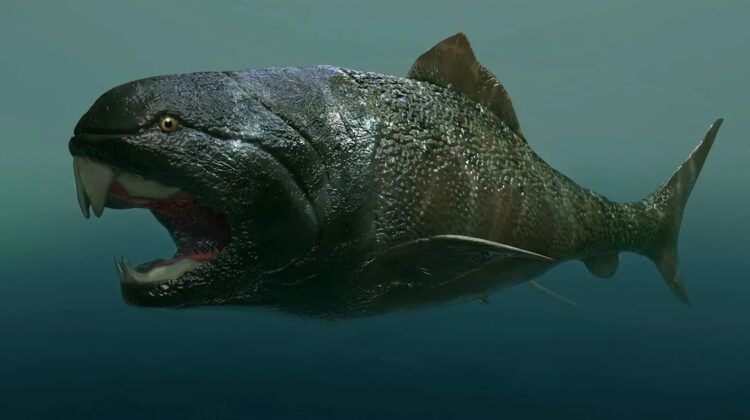
Fossil hunters have a problem: most of the animals that ever lived left no trace at all, and the few that did are scattered across a planet whose rocks have been explored very unevenly. Now two paleontologists have built what amounts to a treasure map, one that points to the places where undiscovered prehistoric marine animals may be waiting to be found.
Where Should Paleontologists Look Next?
The question sounds simple, but it is one of the hardest in paleontology. Only a small fraction of ancient creatures were ever preserved as fossils, and only some of those have been dug up. Some regions have been combed for generations and produced huge numbers of specimens, while others have barely been examined.
To tackle the problem, paleontologists Thomas A. Neubauer of the Bavarian State Collections of Natural History in Germany and Mathias Harzhauser of the Natural History Museum in Vienna analyzed fossil records of animals that lived in shallow seas over the past 540 million years.
How the Map Was Made
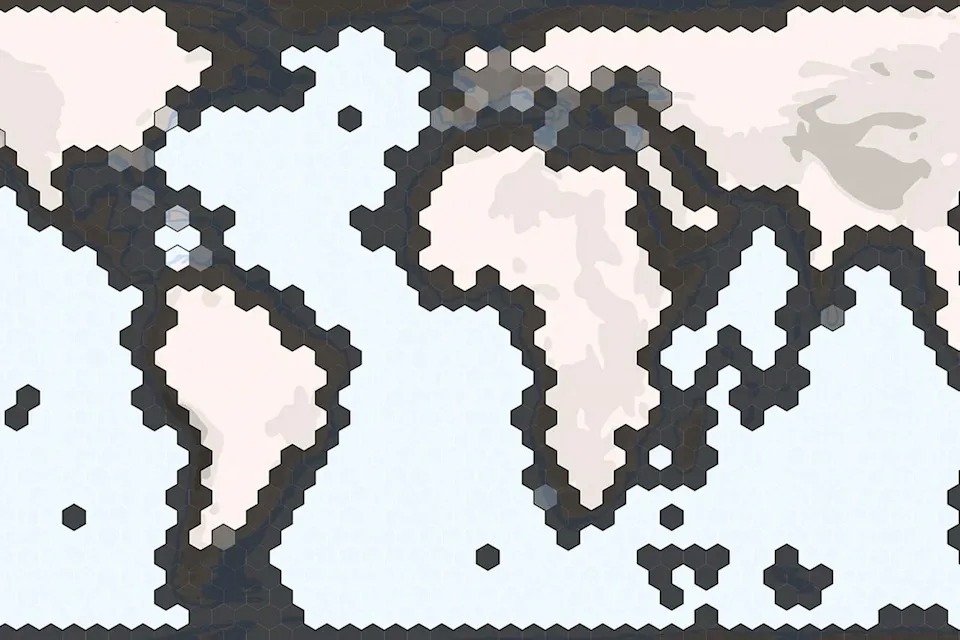
The researchers used the Paleobiology Database, a global collection of published fossil records, to chart where ancient marine species have already been found and, just as importantly, where little or no evidence exists. They then compared those gaps with geological data to see where rocks of the right age that might contain fossils are accessible today.
Credit: iStockphoto/Getty
A Surprise About Time
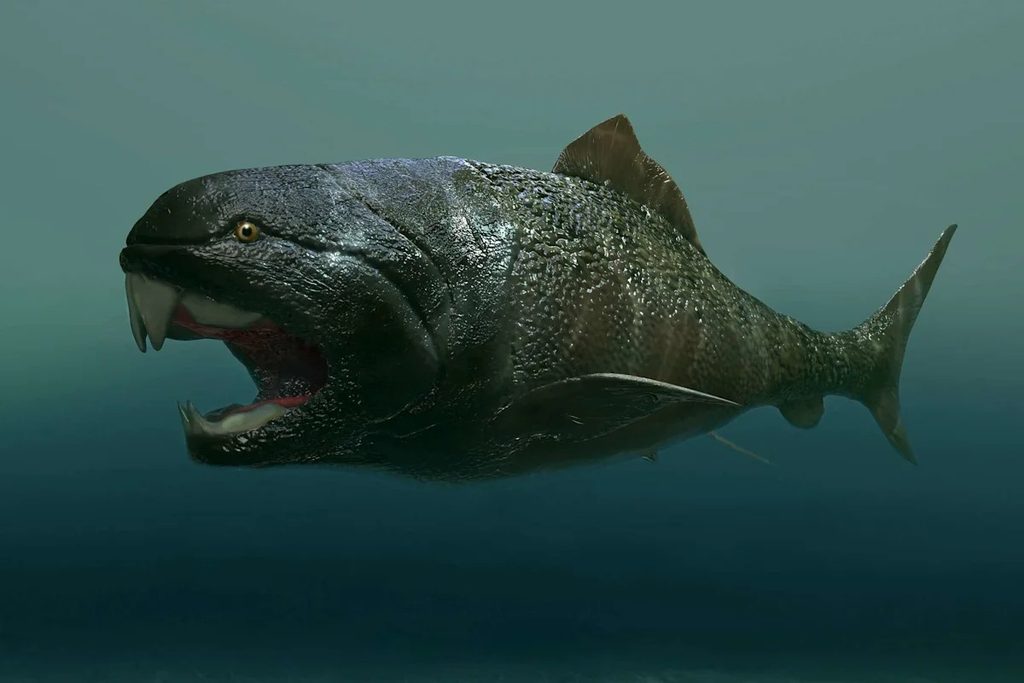
Many people might expect the oldest periods to hold the most unknown species. The analysis suggests otherwise. Rocks from the Paleozoic and Mesozoic eras, which together cover hundreds of millions of years and include the age of dinosaurs, have already produced major discoveries, and many of their shallow marine deposits have been studied extensively.
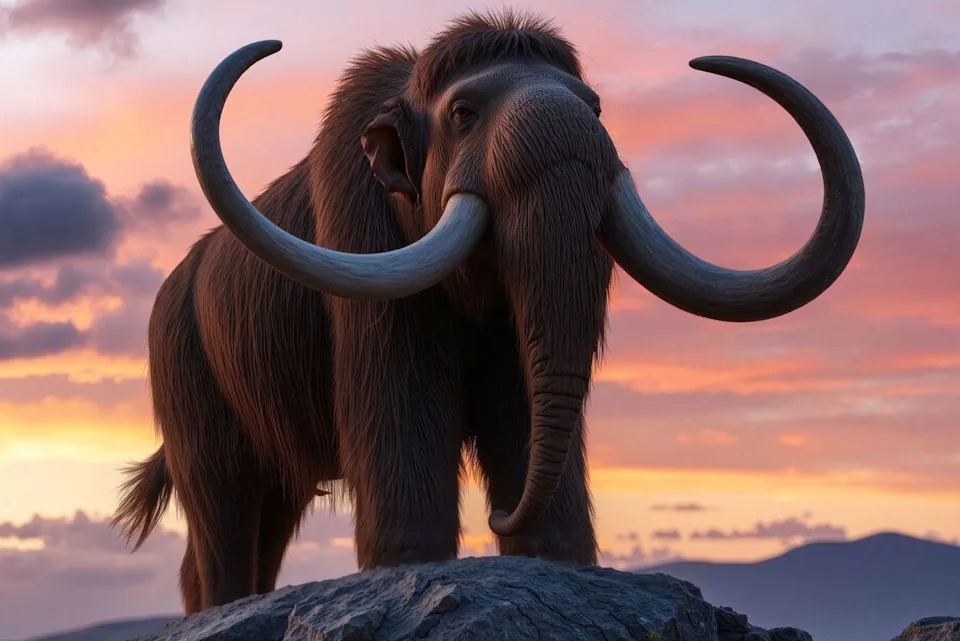
The Cenozoic Era, which began about 66 million years ago and includes the rise of modern mammals and whales, appears to offer especially promising opportunities to fill gaps in the record. In other words, some of the most valuable missing pieces may lie in rocks that are relatively young compared with those from the dinosaur era.
What Scientists Hope to Do With It
The goal is to help researchers spend less time searching well-studied sites and more time in places with the greatest potential to reveal something new. The approach could also help prioritize which specimens in museum collections to examine, since fossils sometimes sit unstudied in storage for years.
Neubauer said that the many regions of Earth that remain unexplored offer hope for valuable new discoveries. He added that the work could serve as a guide for planning future excavations and for deciding which museum collections to analyze first.
Credit: Staatliche Naturwissenschaftliche Sammlungen Bayerns
What the Map Doesn’t Promise
The study has limits that are worth keeping in mind:
- The map doesn’t guarantee that any specific new species will be found. It highlights where discoveries are more likely.
- The analysis focused on animals from shallow marine environments, so it isn’t a guide to land animals such as dinosaurs.
- The fossil record is influenced by where scientists have been able to work, and gaps can reflect access or funding as much as geology.
- The reports available don’t describe the specific locations in detail or the journal where the study was published.
Fossil Hunting Responsibly
If these discoveries make you want to go fossil hunting, keep in mind that rules vary widely. Collecting is restricted or prohibited in many national parks, nature reserves and other protected places, and some fossils are legally protected. Check local regulations, get permission from landowners and report unusual finds to a local museum or geological survey so that scientists can study them properly.
Exploring Prehistory Yourself
Fossil enthusiasts often compare fossil hunting tours and guided paleontology expeditions, buy natural history museum tickets to see collections up close, and browse paleontology books and fossil kits for kids to learn at home, with travel insurance for trips to remote dig sites. Those who want to support research can also look into museum memberships and science education donations.
Credit: Science Photo Library RF/Getty
Frequently Asked Questions
What did the scientists create? A map showing where fossils of previously unknown prehistoric marine animals are most likely to be found.
How far back does the data go? About 540 million years, using records of animals that lived in shallow seas.
Which time period looks most promising? The Cenozoic Era, which began about 66 million years ago.
Does the map guarantee new discoveries? No. It helps researchers prioritize where to search, but finding new species is never certain.
Sources: ScienceDaily, Bavarian State Collections of Natural History, PEOPLE
Leave a Reply