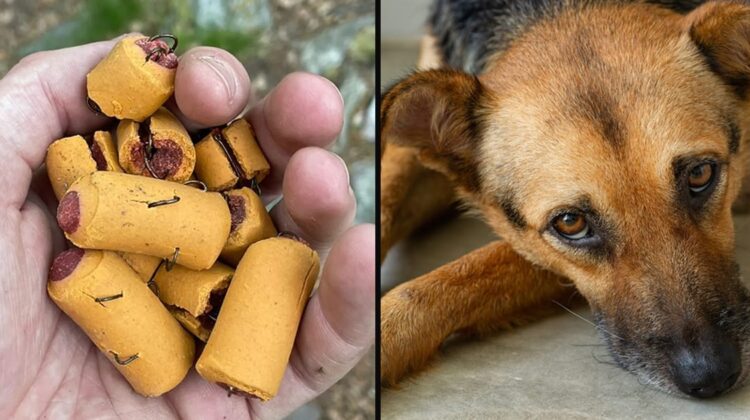
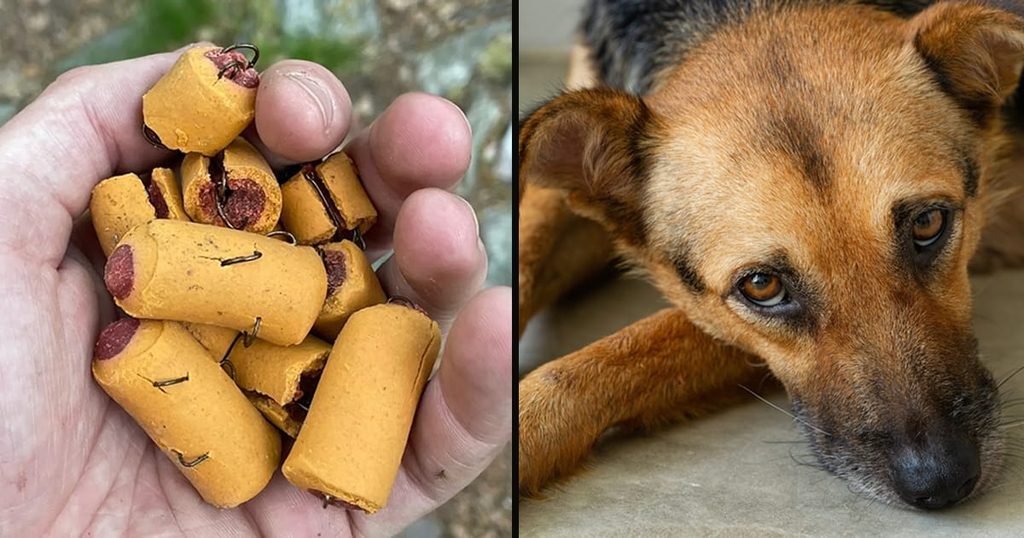
A hiker walking a quiet loop of the Appalachian Trail in Pennsylvania noticed what looked like ordinary dog treats beside the path. On closer inspection, they contained fishhooks. The discovery has prompted warnings for hikers and pet owners, and it is a good moment to review how to keep dogs and wildlife safe on any trail.
What Was Found
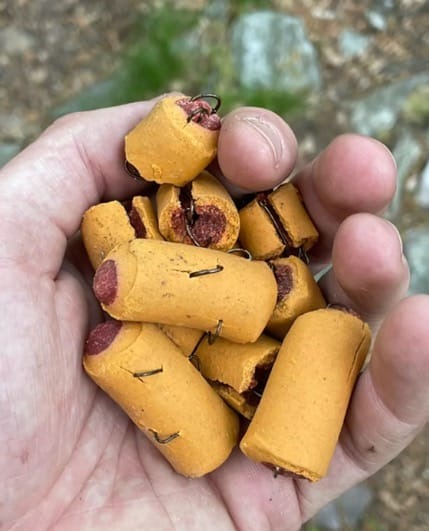
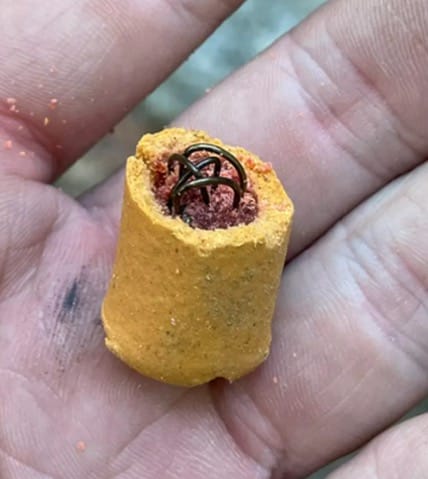
According to the Pennsylvania Game Commission, a hiker on the North Trail Loop near the George W. Outerbridge shelter in Washington Township, Lehigh County, found dog treats with fishhooks hidden inside them. The hiker collected the items and reported them to the Game Commission.
Officials warned that such treats could seriously injure or kill pets and wild animals. A Game Commission supervisor called the incident highly unusual and deeply disturbing.
The Response
Since the discovery, the commission says it has stepped up patrols and posted warnings at trailheads. Law enforcement is investigating and has asked anyone with information to come forward. The Allentown Hiking Club, which helps maintain this section of the trail, urged hikers to stay alert and to report anything suspicious.
The Appalachian Trail runs nearly 2,200 miles across 14 states and is popular with hikers and their dogs, which is why trail managers take reports like this seriously.
Why Fishhooks Are So Dangerous to Animals
Veterinary guidance from the PetCoach platform explains that a hook caught in a dog’s mouth can cause drooling, pawing at the face and trouble swallowing. If a dog swallows one, signs can include gagging, retching, vomiting, loss of appetite and weight loss or dehydration. Fishhook barbs can lodge deeply in tissue, which makes removal difficult and means the wrong approach can cause more damage. Wildlife that finds baited items face the same risks.
If Your Dog Eats or Is Hooked by a Fishhook
Veterinarians generally advise the following:
- Don’t try to pull the hook out. Barbs can tear tissue and make the injury worse.
- Don’t induce vomiting unless a vet tells you to.
- Call a veterinarian or emergency clinic immediately. Describe what happened and follow their directions.
- Bring any remaining treats or packaging to help the vet understand what the dog ate.
What We Don’t Know
The reports don’t say who left the treats or why, how many were found or whether any animal was hurt. The investigation is ongoing, so these details may change. There is no evidence in the reports that the problem is widespread along the trail.
Keeping Dogs Safe on the Trail
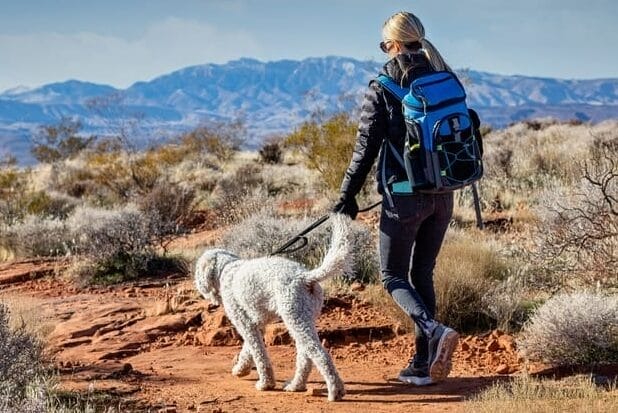
- Keep your dog leashed. A leash makes it easier to stop them from picking up objects before you notice.
- Teach “leave it.” A reliable command can prevent a dog from eating something off the ground.
- Watch what your dog sniffs and eats. Check any unfamiliar items before your dog does.
- Report suspicious items. Take a photo, note the location and contact local authorities or the land manager.
- Spread the word. Let other hikers know so they can stay alert.
Gear and Planning for Hiking With Dogs
Dog owners who hike often carry a sturdy dog leash or hands-free hiking leash, a dog first aid kit and a GPS tracker for dogs, and many compare pet insurance plans that can help with emergency vet bills after accidents. Those who want to support the trails themselves can look into trail conservation donations and membership in groups that maintain the paths.
Frequently Asked Questions
Where were the treats found? On a loop of the Appalachian Trail near the George W. Outerbridge shelter in Lehigh County, Pennsylvania.
Who reported them? A hiker, who contacted the Pennsylvania Game Commission.
What should I do if my dog swallows a fishhook? Don’t try to remove it. Contact a veterinarian right away.
Is anyone investigating? Yes. Law enforcement is investigating and asking for information from the public.
Sources: Pennsylvania Game Commission, PetCoach
Leave a Reply