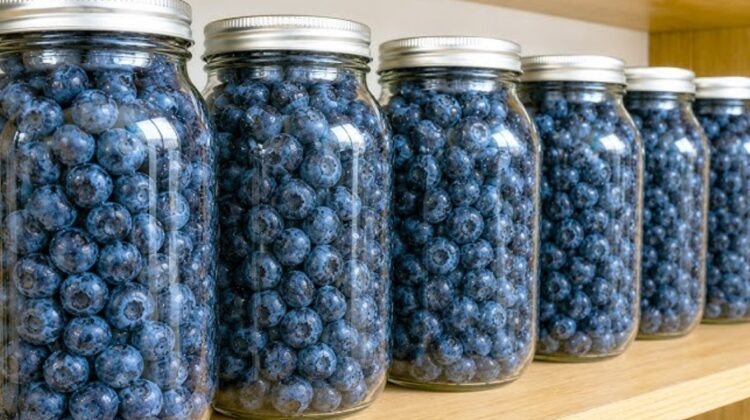
Blueberries are among the most antioxidant-rich fruits, but their fresh season can be surprisingly short. With the right preservation method, however, you can enjoy their flavor and versatility for much longer while reducing food waste.
One traditional option is preserving fresh blueberries in glass jars with water and lemon juice. Unlike freezing, this method requires no freezer space and can be convenient for storing larger quantities. It also avoids adding sugar or artificial preservatives.
What You’ll Need
For this method, you’ll need fresh, ripe blueberries, lemon juice, clean filtered water, sterilized glass jars with new lids, and a large deep pot. A clean kitchen towel can also help keep the jars stable during heating.
How to Preserve the Blueberries
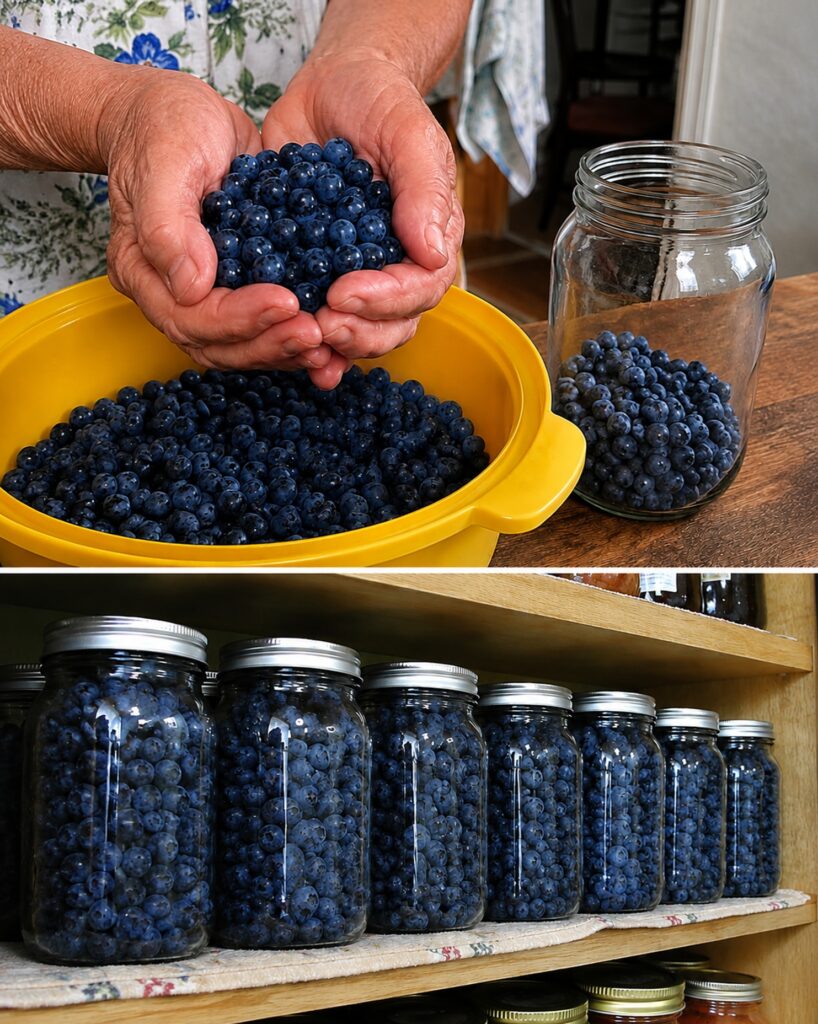
Start by rinsing the blueberries under cool running water to remove dirt and debris. Drain them thoroughly and discard any berries that are bruised, damaged or showing signs of spoilage.
Clean and sterilize the jars and lids before filling them. Gently place the blueberries into the jars, leaving some space below the rim so the fruit and liquid have room to expand during heating.
Add about one tablespoon of lemon juice to each 750-milliliter jar, then fill with water while leaving appropriate headspace. Wipe the jar rims carefully before placing the new lids on top.
Place a folded kitchen towel at the bottom of a deep pot and arrange the jars upright. Add water around the jars and heat them according to a tested home-canning procedure appropriate for the food and jar size.
After processing, allow the jars to cool gradually. Once completely cool, check the seals and label each jar with the preservation date. Store properly sealed jars in a cool, dry and dark location.
Tips for Better Results
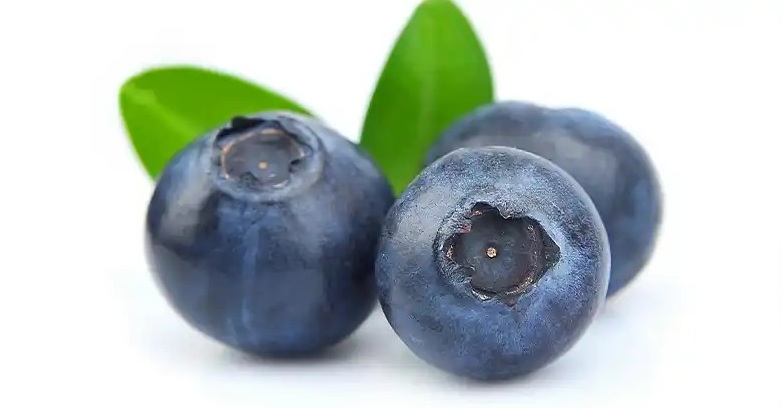
Choose firm, fresh blueberries because damaged fruit can spoil more quickly and may affect the quality of the entire jar. Avoid using old or moldy berries, and always inspect the jars before opening.
Once a jar has been opened, refrigerate it and use the contents promptly. If a jar develops an unusual smell, visible mold, unexpected bubbling, discoloration or a broken seal, discard it rather than tasting it.
How to Use Preserved Blueberries
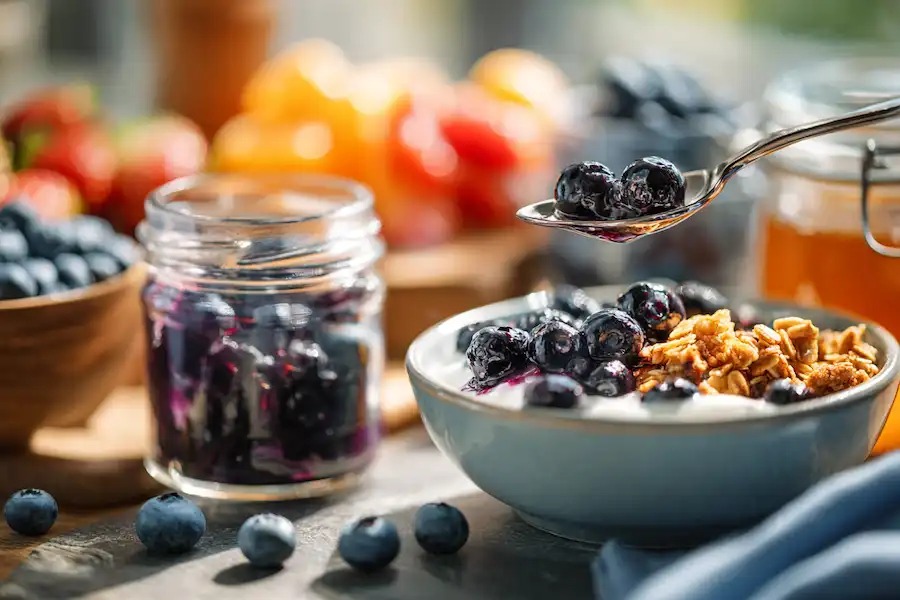
Preserved blueberries can be added to oatmeal, yogurt, pancakes and waffles, or used in muffins, cakes and other desserts. They can also be served over ice cream or custard, blended into recipes, or enjoyed as a simple fruit topping.
A Safer Approach to Home Food Preservation
Home-preserved foods can be convenient and help reduce food waste, but safe preservation depends on using a tested recipe and appropriate processing method. Acidity, processing time, temperature, jar size and storage conditions all affect food safety. When preserving fruit at home, following guidance from reputable food-preservation authorities is important, particularly for preventing dangerous foodborne illnesses such as botulism. Fresh fruit, proper sanitation and correct storage can help you enjoy homemade foods safely while making the most of seasonal produce.
Leave a Reply