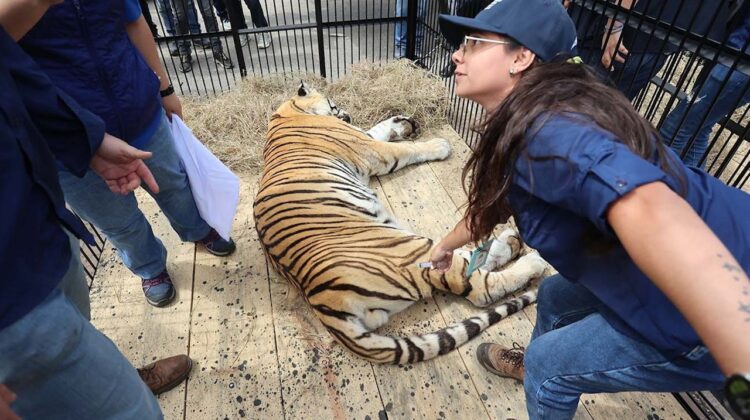
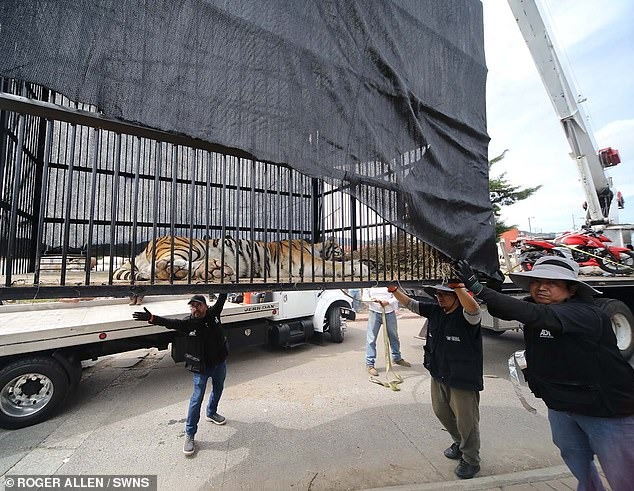
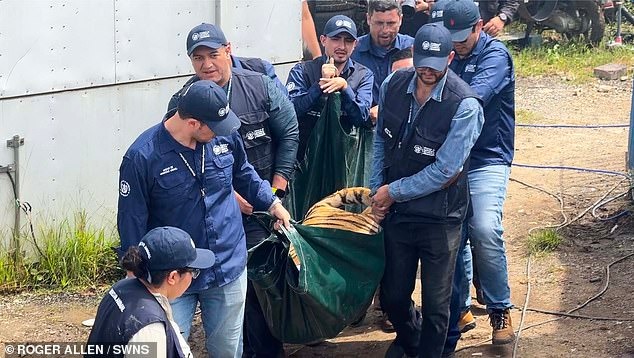
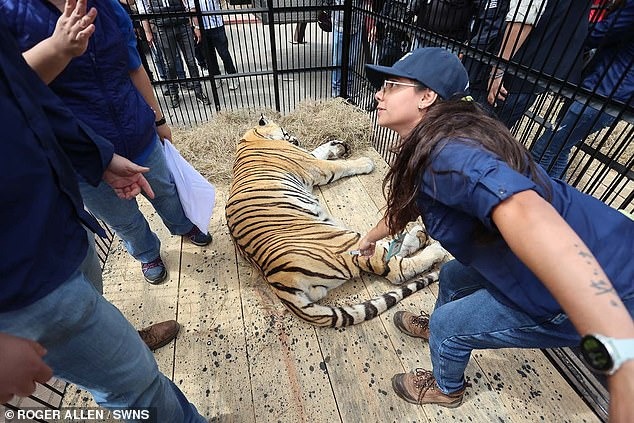
After a tense 18-hour operation involving police and government officials, seven tigers have been freed from a circus in Guatemala and taken to safety. The British charity Animal Defenders International (ADI) says the animals had spent more than eight years in small cages on trailers, long after the country banned animal circuses. Here is what has been reported about the rescue and what comes next.
A Ban That Wasn’t Obeyed
Guatemala banned the use of animals in circuses, and ADI, a London-based charity, has worked to help enforce the law. According to the charity, one circus, Circo Rey Gitano, refused to hand over its animals and instead moved them onto private land, making it very difficult for authorities and rescuers to reach them.
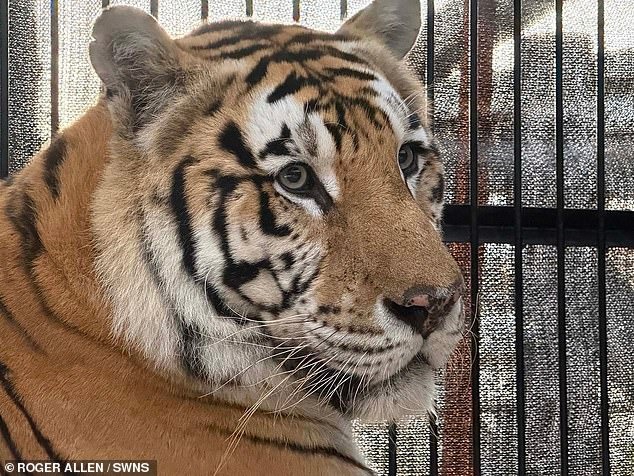
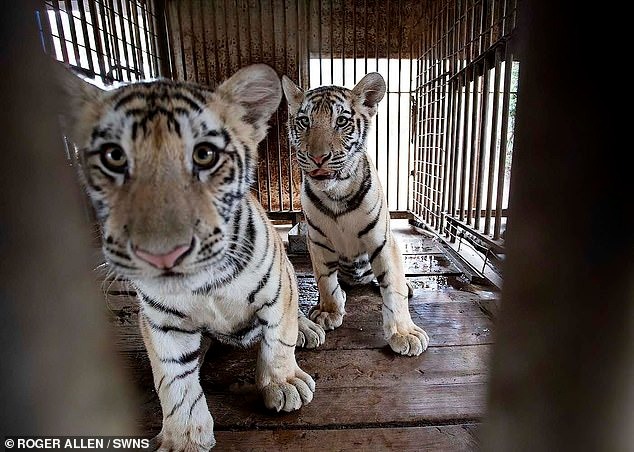
The seven tigers, named Simba, Kimba, Jix, Chiquita, Nala, Africa and Kenia, were reportedly kept in makeshift cages on trailers throughout that time. Two are believed to be around 20 years old, and others, including Kimba and Chiquita, were just cubs when ADI first tried to rescue them.
The Rescue
ADI said the operation had to be kept secret out of fear that the circus would move the animals. The charity arranged transport away from the circus’s base and then moved in at the last minute, working with police and government departments. According to the report, ADI president Jan Creamer and other charity workers were jostled and threatened during a tense standoff outside Guatemala City. The operation lasted around 18 hours.
What Happens Next
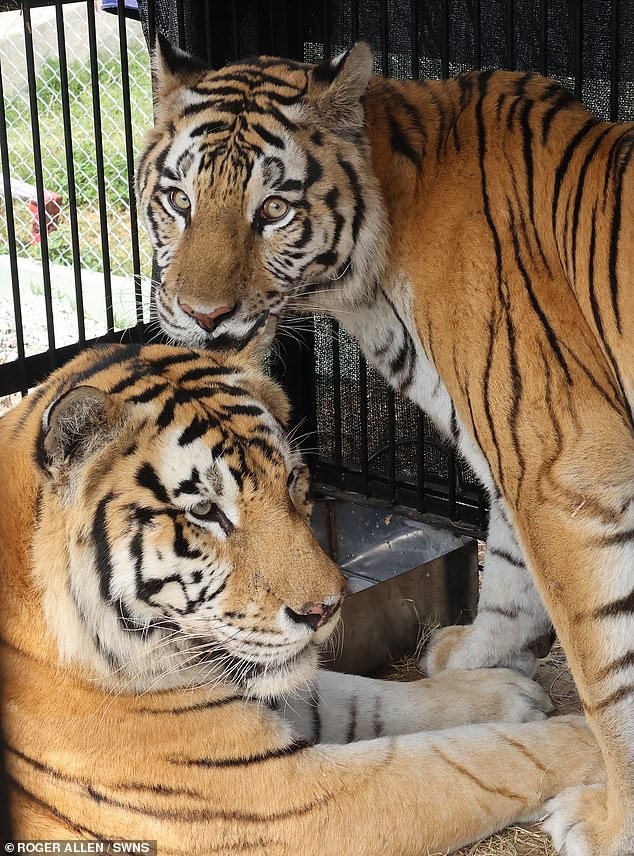
The tigers are receiving veterinary care at a specially built temporary rescue unit. They will later be flown to the ADI Wildlife Sanctuary in South Africa, where they will have large areas to roam, pools to swim in and natural ground to walk on. According to the report, the sanctuary prepared four habitats of around 2.5 acres each, with heated houses. Creamer said the tigers could now get healthy, swim, breathe fresh air and walk on grass, free to do as they please.
ADI has launched a fundraising appeal for $300,000 to cover the rescue, veterinary treatment, transport and lifelong care. The charity says it has already rescued 20 lions and tigers from circuses in Guatemala since the ban took effect.
What the Report Doesn’t Include
It’s worth keeping some context in mind:
- The account comes from ADI, and the report doesn’t include a response from the circus or from the authorities involved.
- ADI said it fears that other animals from the circus, including a white tiger and African lions, died during the long dispute. That has not been independently confirmed here.
- The report doesn’t describe the tigers’ current medical condition or how long the transfer to South Africa will take.
Why Big Cats Don’t Belong in Circuses
Tigers (Panthera tigris) are listed as endangered, with wild populations shrinking because of habitat loss and poaching. Animal welfare groups argue that touring circuses can’t meet the needs of big cats, which naturally roam widely, swim and hunt. A growing number of countries have banned or restricted wild animals in circuses, and sanctuaries are sometimes able to give surrendered animals a more suitable home.
Supporting Big Cat Rescue
Readers who want to help animals like these tigers often look into wildlife sanctuary donations and big cat conservation donations, consider symbolic tiger adoption programs that fund care and, when they travel, choose ethical wildlife tours and South Africa safari tours run by operators that avoid captive-animal entertainment, with travel insurance for trips abroad.
Frequently Asked Questions
Who rescued the tigers? Animal Defenders International, a London-based charity, working with police and government officials in Guatemala.
Why were they still in cages? According to ADI, the circus refused to give up its animals after the country banned animal circuses.
Where will the tigers go? They will eventually be flown to the ADI Wildlife Sanctuary in South Africa.
How can I help? By supporting wildlife sanctuaries and avoiding attractions that use captive wild animals.
Sources: Daily Mail, Animal Defenders International
Leave a Reply