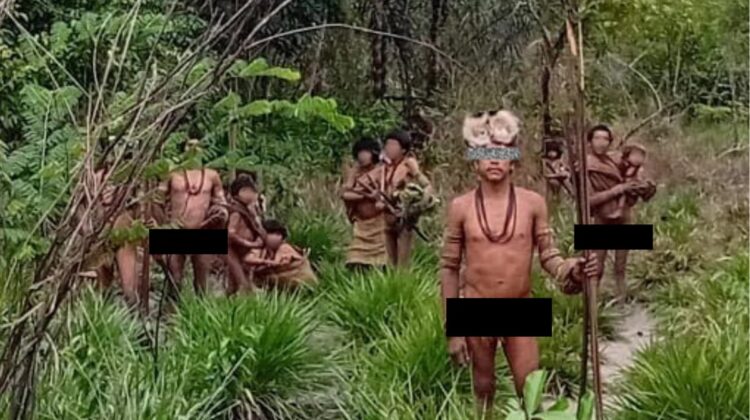
Facing relentless encroachment from illegal loggers and ranchers, 20 members of the isolated Awá people approached Brazilian officials in a rare and risky plea for yams.
For communities that have chosen to live apart from the modern world, invisibility is often the safest defense. Around the globe, fewer than 200 uncontacted Indigenous tribes remain in comparative isolation, and advocates warn that roughly half of them could vanish within a decade without stronger safeguards against land loss, climate pressures, fame-seeking intruders and illegal industrial sprawl. In the Brazilian Amazon, the pressure has grown acute enough that members of one isolated group recently took the extraordinary step of initiating contact themselves.
A Troubling Sign from Self-Sufficient Hunters
On November 17, the Indigenous rights organization Survival International reported that 20 members of the Awá people deliberately approached local government officials in the Brazilian rainforest. Although the Awá are skilled hunter-gatherers who have sustained themselves from the forest for generations, the group asked the officials for yams before carrying the food back beneath the canopy.
To researchers and advocates who follow isolated Amazonian communities, the encounter is less a friendly exchange than an alarm bell. When proficient hunters leave the cover of the trees to request staple crops, it points to severe disruption inside their traditional territory. It also carries an immediate biological hazard: uncontacted peoples lack immunity to common respiratory viruses and other outside illnesses, meaning even brief encounters can introduce potentially fatal diseases.
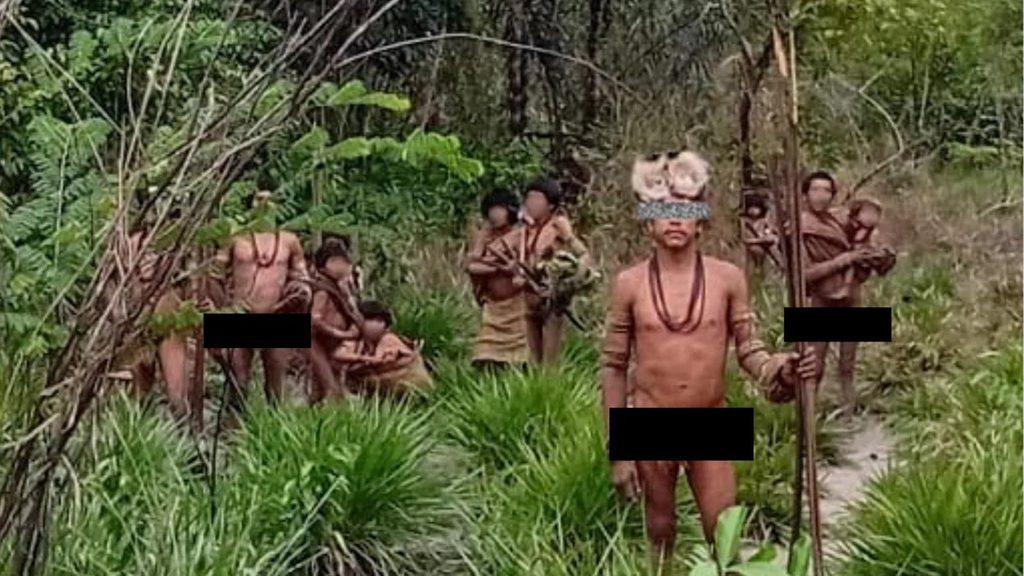
“This is a troubling indication of how the continued invasion of uncontacted peoples’ forests puts otherwise self-sufficient Indigenous people in real danger,” Caroline Pearce, the director of Survival International, said in a statement.
Centuries of Retreat Inside a Shrinking Forest
The Awá’s connection to the Brazilian rainforest stretches back centuries, long before European settlers launched the first violent raids against them during the 1800s. Those early attacks forced many Awá families to abandon settled life and become nomadic, moving constantly through the trees to avoid deadly encounters with outsiders.
Brazil formally designated settlement areas for the Awá in the mid-1980s, yet years passed before federal authorities invested seriously in demarcating and defending the land. During that gap, repeated violent clashes with illegal loggers, farmers and land grabbers reduced the entire Awá population to barely 300 people. Advocates estimate that only about a third of them—roughly 100 individuals—still live completely uncontacted inside the rainforest.
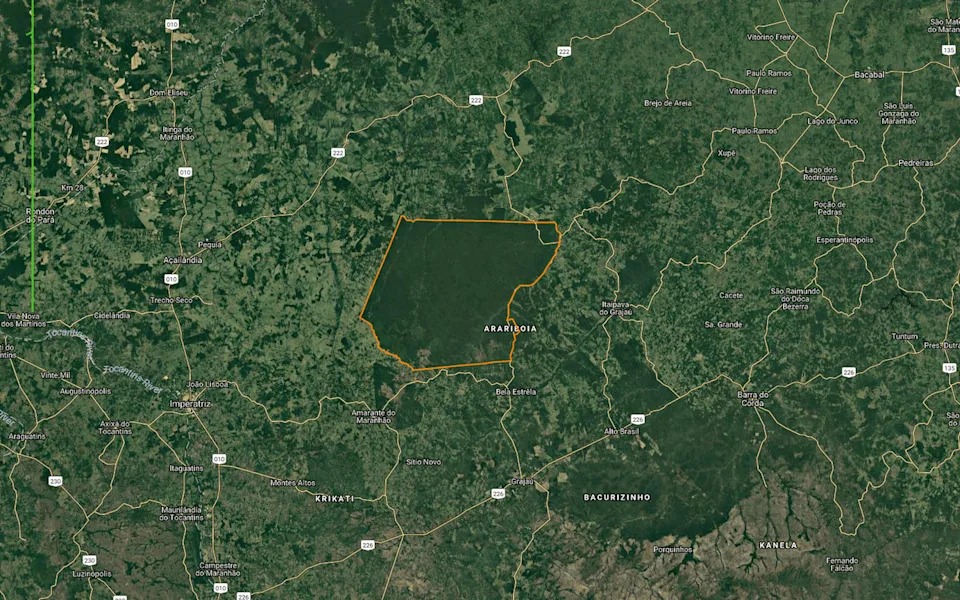
Many of those isolated families live within the Arariboia Indigenous territory, a stretch of forest that satellite maps now show surrounded on all sides by cleared land. Roads, pastures and logging tracks press right up against its borders, shrinking the habitat that sustains game animals and wild plants. Pearce said the Brazilian government must commit the resources needed to protect Arariboia from the loggers and ranchers who continue razing it “in flagrant defiance of the law.”
The Neighbors Risking Their Lives on the Perimeter
The Awá are not entirely alone in facing those incursions. For years, a volunteer team from the neighboring Indigenous Guajajara community, known as the Forest Guardians, has patrolled the Arariboia region to track illegal logging camps and push back against cattle ranchers trying to claim Indigenous land.
That frontline defense has come at a steep price, with several Guajajara guardians killed over the years because of their work. Even so, the group has refused to step back, framing the survival of their uncontacted neighbors as inseparable from the survival of the forest itself.
“The Forest Guardians have always worked to protect the Awá against encroachment, even at the cost of losing warriors in battle,” the group said, calling on Brazilian authorities to take immediate action to safeguard the Awá’s lives, health, safety and dignity according to what the Awá themselves believe is best.
What Comes Next for Arariboia
The sudden appearance of 20 Awá asking for food underscores how thin the buffer around Arariboia has become. Unlike natural droughts that pass with the seasons, illegal deforestation permanently strips away the ecosystems hunter-gatherers rely on, leaving isolated families with an impossible choice between hunger in the forest and dangerous contact outside it.
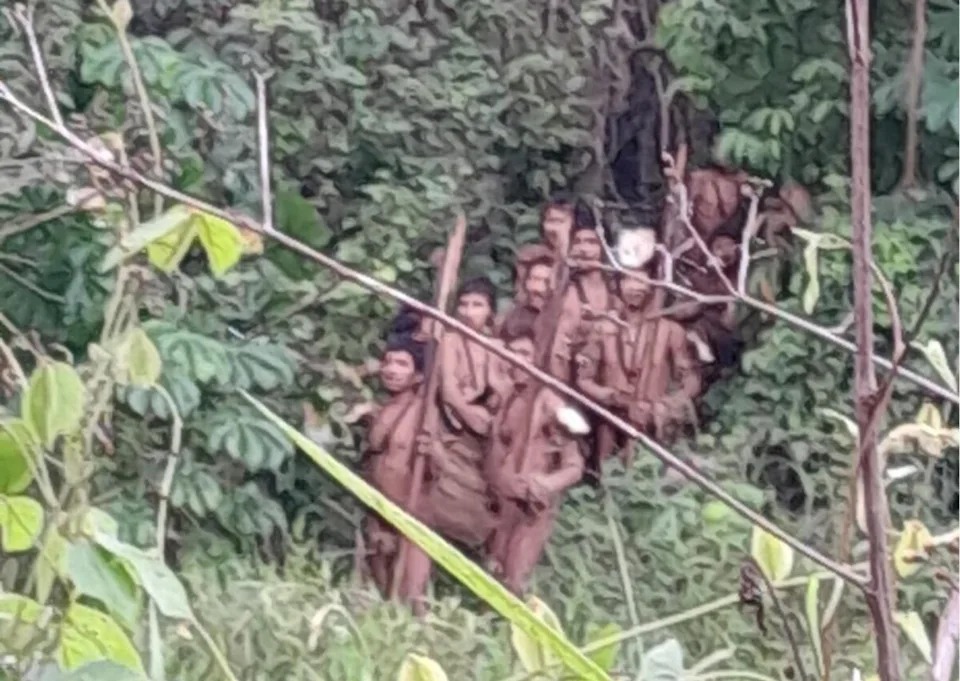
Whether the remaining uncontacted Awá can continue living on their own terms now rests largely on law enforcement along the forest’s edge. Removing illegal loggers and ranchers requires sustained federal policing rather than temporary raids, but advocates say the alternative is watching one of the world’s last isolated peoples lose the forest that kept them alive.
Frequently Asked Questions
Why did members of the uncontacted Awá tribe approach officials? Twenty members of the tribe emerged from the Brazilian Amazon to request yams before returning to the forest, a move advocates link to illegal invasions disrupting their food supply.
How many Awá people remain today? Barely 300 Awá survive after decades of violent encroachment, and only about one-third of them still live completely uncontacted in the rainforest.
Why is outside contact dangerous for uncontacted tribes? Isolated Indigenous groups have little or no immunity to common outside infections, so brief contact can trigger deadly disease outbreaks.
Where do the uncontacted Awá live? Many live inside the Arariboia Indigenous territory in the Brazilian Amazon, a forested area now heavily surrounded by cleared land and illegal logging routes.
Who are the Forest Guardians? They are Indigenous volunteers from the neighboring Guajajara community who patrol Arariboia—sometimes losing their lives—to defend the forest and protect the Awá from loggers and ranchers.
Sources: Survival International; Guajajara Forest Guardians; Google Maps satellite data.
Leave a Reply