
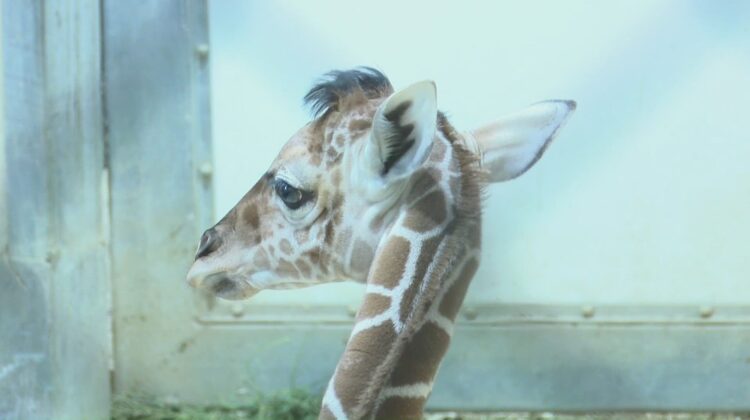
There’s a new star towering over the savanna habitat at the Toledo Zoo — and he’s barely weeks old.
Meet Eugene, the baby giraffe whose perfectly imperfect tuft of hair has turned him into an instant internet favorite. Born on January 17, the healthy calf weighed approximately 130 pounds at birth, marking a major milestone for first-time parents Lily and Rocket. While zoo staff celebrated the safe delivery, it didn’t take long for visitors to notice the detail that sets Eugene apart: a delightfully quirky tuft of hair perched on top of his head.
It sticks up with effortless charm — a natural hairstyle no stylist could replicate.
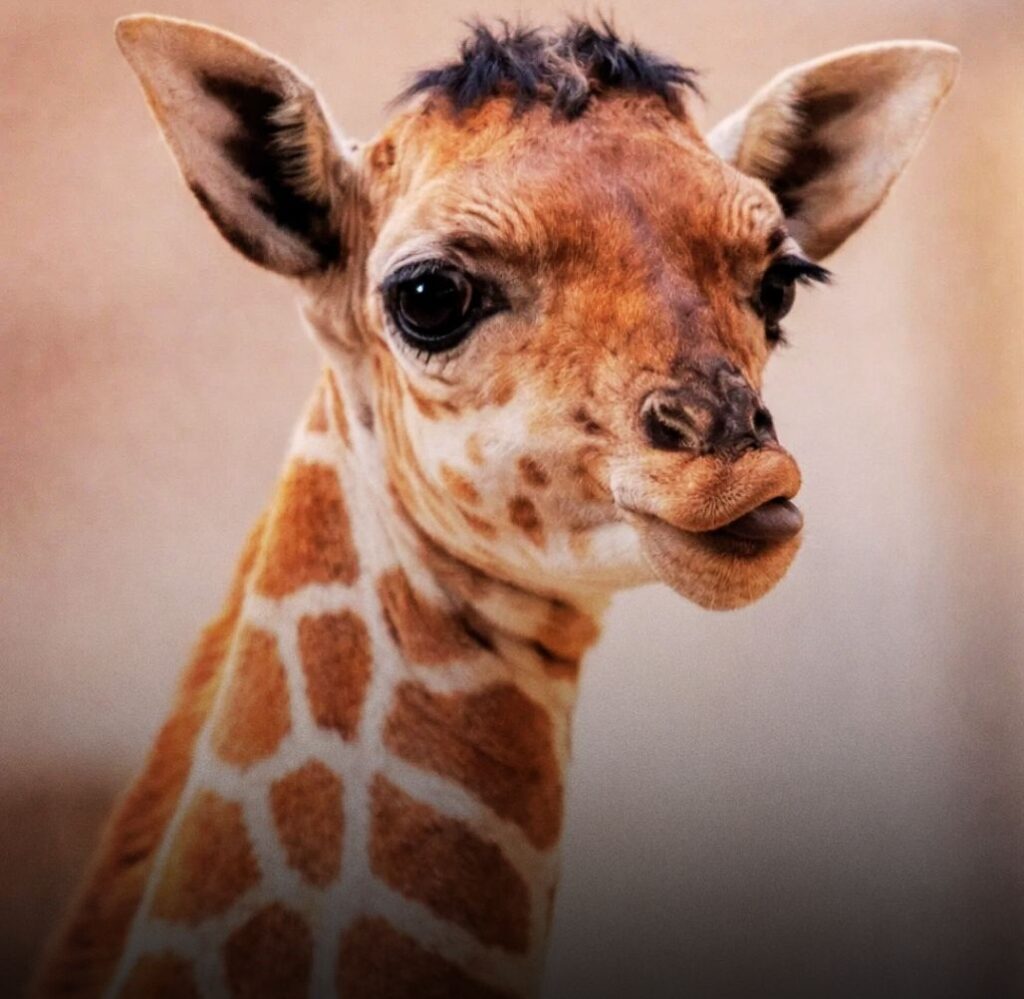
The public played a role in naming the calf, and once “Eugene” was announced, photos of the newborn quickly spread across social media. Animal lovers from across the country began sharing snapshots and commenting on his standout look. In a world saturated with content, sometimes all it takes is one unforgettable feature to capture attention — and Eugene’s fuzzy crown did exactly that.
Beyond the viral fame, the most important news is this: Eugene is thriving.
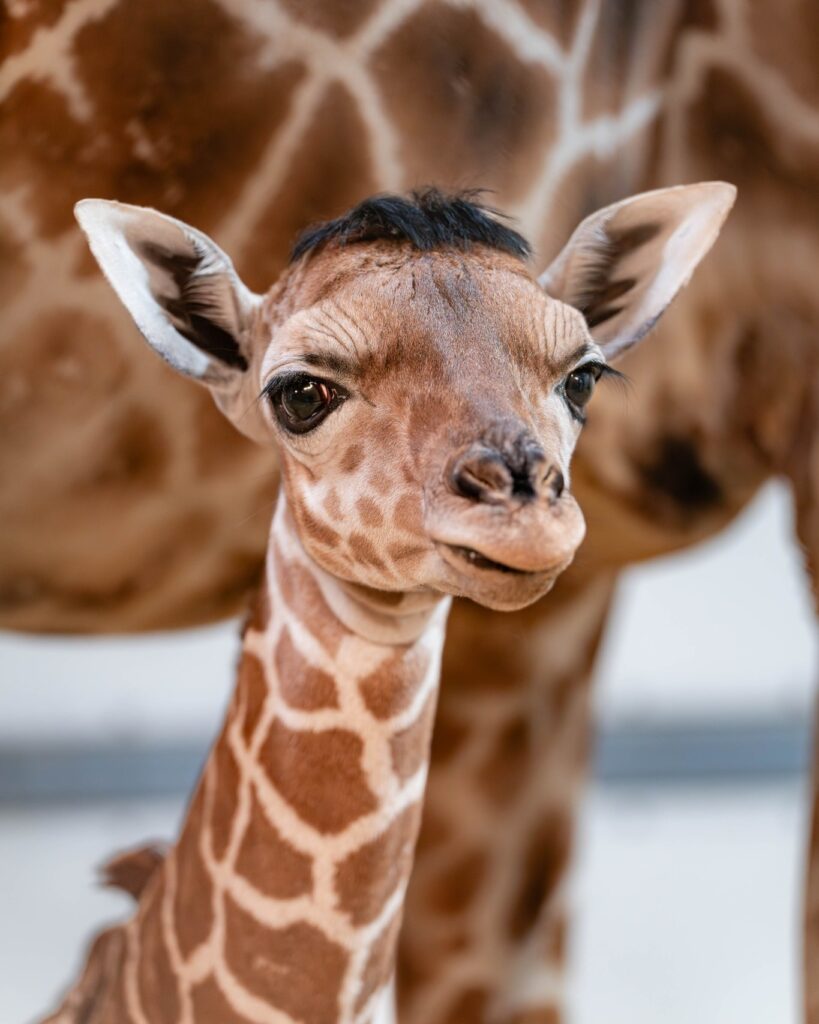
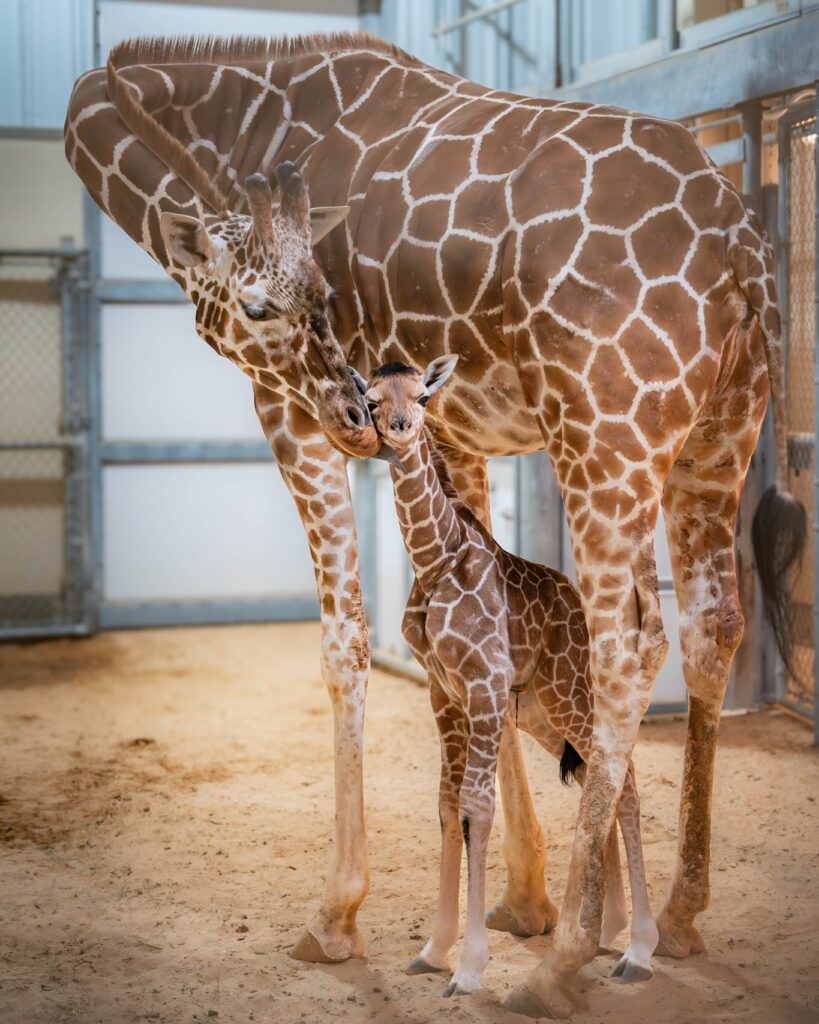
Zoo officials report that he is bonding closely with his mother, Lily, who is providing attentive care. In giraffe herds, maternal bonding is critical during the first weeks of life. Calves must learn to stand within hours of birth and quickly adapt to their surroundings. At 130 pounds, Eugene may seem large, but for giraffes — the tallest land mammals on Earth — he is just at the beginning of an extraordinary growth journey.
Giraffe calves can grow nearly an inch per day in early development, eventually reaching heights of up to 18 feet as adults. Observing that transformation is part of what makes zoo births so meaningful to visitors. They offer a rare chance to witness the early stages of life in species that many people might otherwise only see in documentaries.
Eugene’s rising popularity also serves a broader purpose. Accredited zoos play a role in conservation education, species management programs, and public awareness about habitat loss affecting giraffes in the wild. Moments of joy — like a baby giraffe’s unusual tuft of hair — often open the door to deeper conversations about wildlife protection.
For now, though, Eugene seems blissfully unaware of his growing fan base. He’s focused on what newborn giraffes do best: staying close to mom, exploring his habitat, and wobbling confidently on long, still-growing legs.
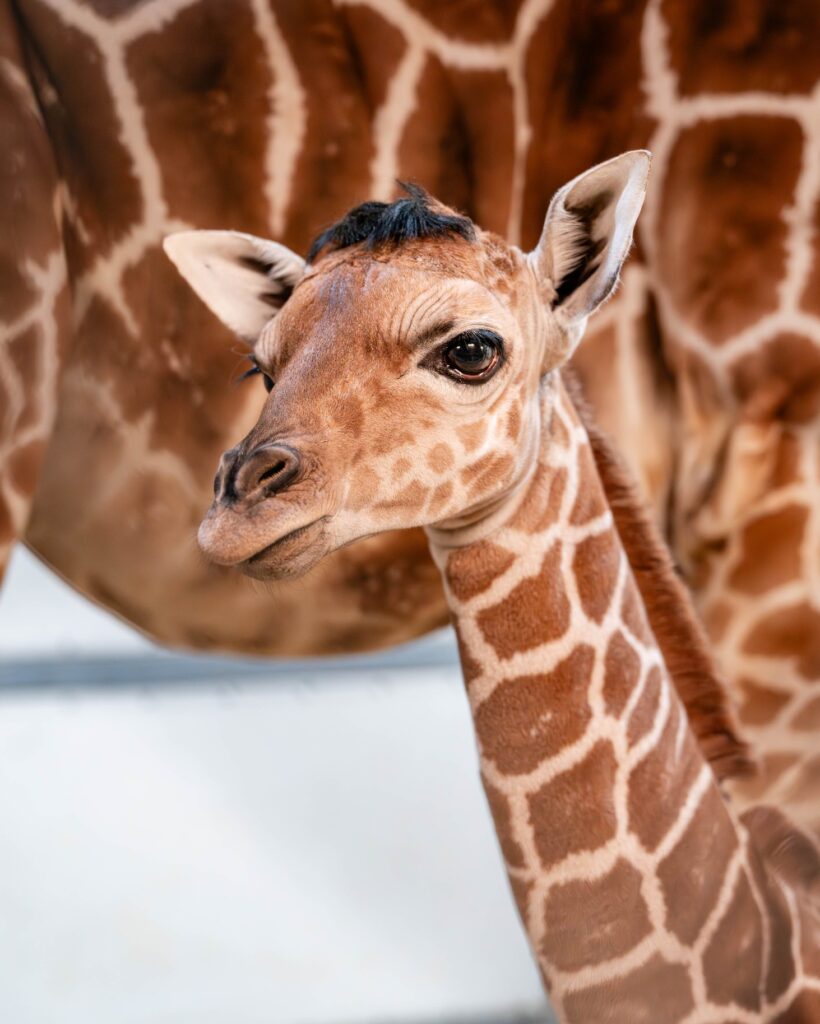
If first impressions are anything to go by, this charming calf isn’t just a passing sensation. He’s well on his way to becoming one of the zoo’s most beloved residents.
And that tuft? It’s already iconic.
Institutions like the Toledo Zoo contribute to giraffe conservation through managed breeding programs, veterinary research, and public education initiatives. Giraffe populations in parts of Africa face threats from habitat fragmentation and poaching, making awareness campaigns and conservation funding critical. Accredited zoological parks support Species Survival Plans (SSPs), genetic diversity management, and global wildlife partnerships aimed at protecting vulnerable species for future generations.
Leave a Reply