
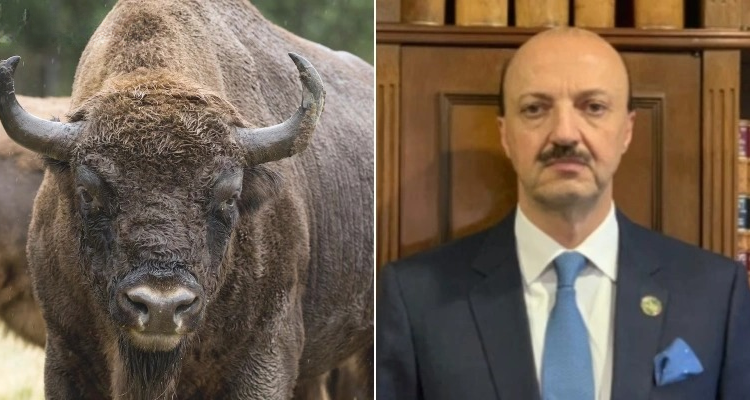
In the open ranchlands of Argentina’s Entre Ríos Province, where farmland stretches toward the horizon and the wind carries little more than dust and distance, a hunt unfolded that would end in fatal reversal. The man at its center was Mario Alberto Canales Najjar — a prominent figure in the world of trophy hunting and president of the Mexican Hunting Federation since 2018.
For decades, Canales Najjar had moved comfortably within international big-game hunting circles. He had also led the Safari Club of Mexico and served on national wildlife councils, positioning himself as an advocate for what supporters describe as the “sustainable use” of biodiversity. Critics, however, viewed him as a leading voice in the defense of trophy hunting — a practice that has long divided public opinion across the Americas and beyond.
On October 7, that divide became deeply personal.
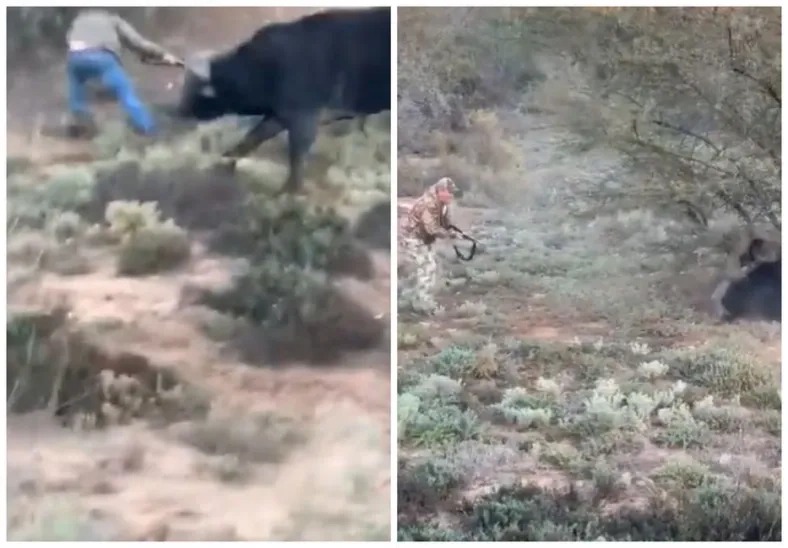
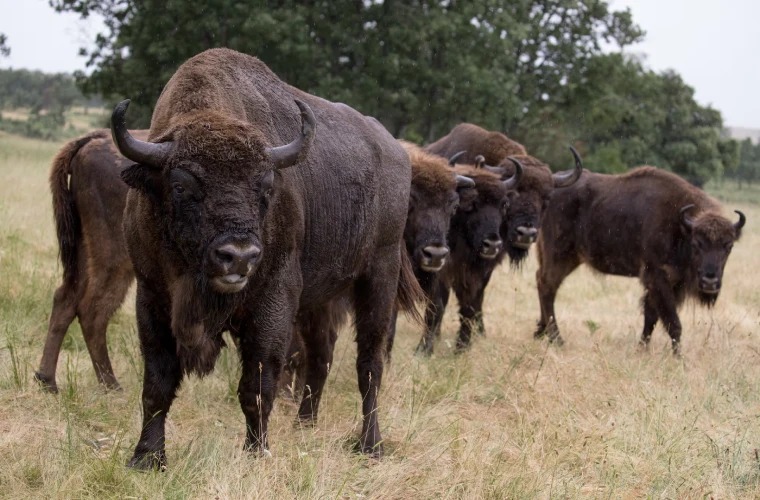
The hunting zone, known locally as Punta Caballos, lies far from major urban centers. Emergency access is limited. Cell signals fade in and out. It is a landscape where isolation is part of the terrain. According to reports, Canales Najjar and two companions approached a large buffalo weighing more than a ton. From roughly 30 meters away, he fired a shot. The animal did not fall.
Instead, it turned.
What followed happened in seconds. The buffalo charged with force that no human body can withstand. Its horns struck, lifting him before slamming him back to the ground. The animal continued its attack until a guide fired multiple shots to stop it. By then, the injuries were catastrophic.

With no trauma unit nearby, the group transported him in a private vehicle toward the nearest hospital. The journey was long. When they arrived, he had no pulse. Doctors were unable to revive him. An autopsy later reported broken ribs, a fractured sternum, and massive internal bleeding — injuries that demand immediate advanced trauma care to offer even a slim chance of survival.
Local authorities in Argentina opened an investigation into the incident. Early information suggested that the hunting permits obtained may have covered only small game, such as pigeons, raising questions about whether the buffalo hunt had been properly authorized. Environmental groups urged prosecutors to examine potential violations and scrutinize how private ranches manage commercial hunting operations.
News of the death reverberated quickly in Mexico. Supporters mourned a figure they saw as a defender of regulated hunting traditions. Opponents pointed to the irony and renewed their calls for stricter wildlife protections. Across social media and conservation forums, debate intensified over ethics, legality, and risk.
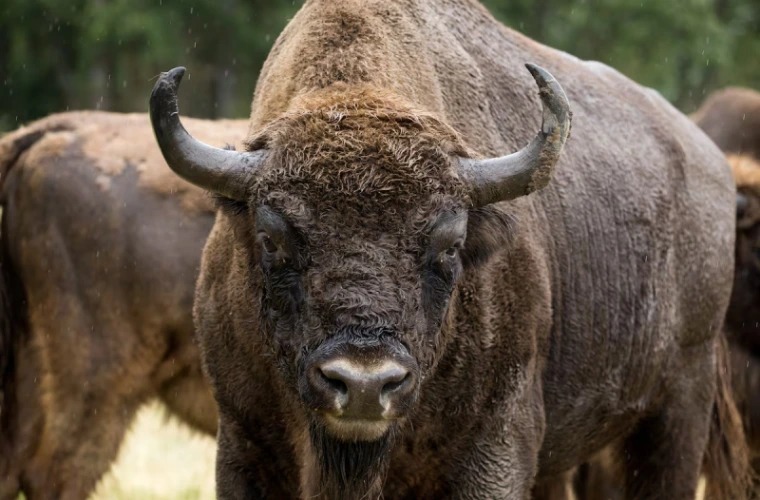
Buffalo — particularly when wounded — are known to be among the most dangerous large game animals. Their mass, speed, and unpredictability can turn a controlled hunt into a lethal confrontation within moments. Even experienced hunters face real danger when pursuing such animals in remote terrain without rapid emergency response systems.
Beyond the personal tragedy, the event reopened larger conversations about big-game tourism, regulatory oversight, and the fragile boundary between sport and survival. When humans enter wild landscapes seeking dominance, nature does not always yield. Sometimes, it answers back.
In the silence of Punta Caballos, the dust eventually settled. But the questions did not.
The fatal incident involving Mario Alberto Canales Najjar highlights the importance of strict wildlife regulation compliance, international hunting permits, and comprehensive risk management in remote expeditions. Cross-border trophy hunting operations must adhere to national wildlife conservation laws, land-use authorizations, firearm regulations, and liability insurance requirements. In countries like Argentina and Mexico, commercial hunting tours are subject to environmental oversight, permit verification, and safety protocols. Legal disputes involving unauthorized hunts can lead to criminal investigations, civil liability claims, and policy reforms affecting global hunting tourism and biodiversity protection frameworks.
Leave a Reply