
Spotting a small cluster of unfamiliar eggs in your yard is unsettling, especially once you suspect they might belong to ticks — pests known for spreading serious illnesses like Lyme disease. The good news is that identifying tick eggs correctly, and knowing what actually works to manage them, is more straightforward than the panic they tend to inspire.
What Tick Eggs Actually Look Like
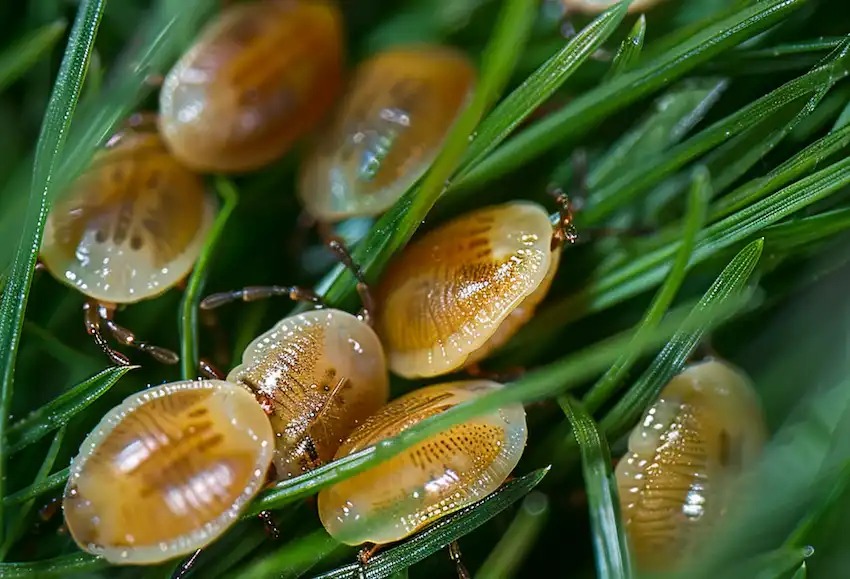
Tick eggs are extremely small, roughly 0.5 millimeters in diameter — about the size of a poppy seed or grain of sand. They’re typically oval or pear-shaped, smooth and glossy, and translucent to pale yellow when freshly laid, gradually darkening toward light brown as they mature.
Adult female ticks lay their eggs in dense clusters, usually close to the ground in sheltered, moist spots: leaf litter, tall grass, soil surfaces, woodpiles, or garden debris. A single female tick can lay anywhere from a few hundred to several thousand eggs at once, which is part of why an unaddressed cluster can turn into a much larger problem fairly quickly.

Why Tick Eggs Are Worth Taking Seriously
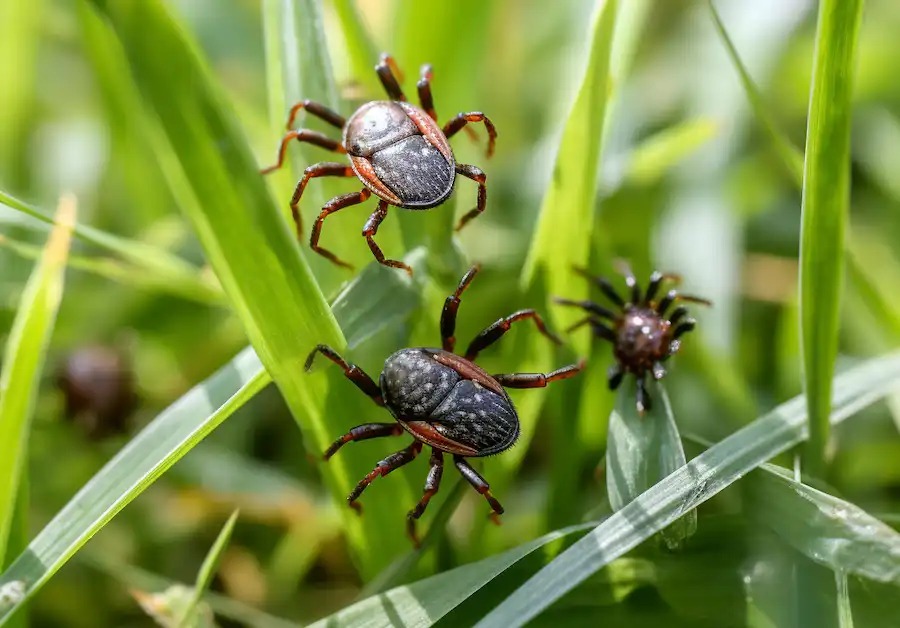
The eggs themselves aren’t the direct threat — the concern is what happens once they hatch. Larvae emerge in large numbers and begin seeking out hosts, whether animals or humans, to feed on. As they mature into adults, ticks are capable of transmitting Lyme disease, Rocky Mountain spotted fever, anaplasmosis, and several other tick-borne illnesses.
What NOT to Do — and What Actually Works
Despite what some viral posts and older articles claim, burning tick eggs or nests in your yard is not a method any credible pest-control authority recommends. Cornell University’s Integrated Pest Management program has specifically warned against it, noting it’s largely ineffective at killing eggs buried in soil or leaf litter and carries a real risk of starting a yard or brush fire. If you find a suspected cluster:
- Avoid direct contact. Don’t touch the eggs with bare hands — use gloves or a tool if you need to move debris around them.
- Get a proper identification. A photo sent to a licensed pest control professional, or your local agricultural extension office, can confirm whether what you’re seeing is actually tick eggs before you spend money treating the wrong problem.
- Let professionals treat it. Pest control services can apply targeted insecticide treatments — such as products containing permethrin — safely and effectively, which is far more reliable than a DIY approach.
If you find an adult tick attached to skin, the CDC-recommended method is to grasp it with fine-tipped tweezers as close to the skin as possible and pull straight up with steady, even pressure — never twisting or crushing it. Afterward, clean the bite area and dispose of the tick by sealing it in a bag or submerging it in alcohol; save it in a labeled bag in the freezer if you may need it identified later.
Preventing Ticks in Your Yard
A few consistent habits go a long way toward keeping ticks from establishing themselves around your home:
- Rethink deer-attracting plants. Ticks often arrive on deer, so shrubs and flowers like tulips, hostas, and azaleas can indirectly increase tick activity near your house.
- Add tick-repelling plants. Mint, rosemary, and chrysanthemums are commonly used as a mild natural deterrent.
- Keep the lawn maintained. Regular mowing and clearing brush removes the shaded, humid conditions ticks rely on.
- Manage woodpiles and debris. Store firewood off the ground and away from the house, and clear leaf litter where eggs are most often laid.
- Limit small-animal traffic. Rodents are common tick carriers, so keeping bird feeders away from the house and sealing gaps in stone walls or structures can help.
- Consider tick tubes. These permethrin-treated tubes target rodents specifically and are considered one of the more effective low-intervention control methods.
- Use mulch strategically. Gravel, lava rock, or pebble mulch borders create a drier, less hospitable barrier between lawns and wooded areas.
Frequently Asked Questions
Is it safe to burn tick eggs in my yard? No. Pest management experts advise against it — it’s largely ineffective against eggs sheltered in soil or leaf litter, and it poses a real fire risk.
How can I tell tick eggs apart from other insect eggs? Tick eggs are extremely small (about the size of a poppy seed), oval, glossy, and usually pale yellow to light brown, laid in tight clusters near ground level. If you’re unsure, a pest control professional can confirm identification from a photo or sample.
Can tick eggs hatch indoors? It’s uncommon, since ticks generally need humid, sheltered outdoor conditions to lay and hatch eggs, but eggs or engorged females carried in on clothing or pets can occasionally hatch indoors in the right conditions.
Do natural repellents actually work against ticks? Some, like cedarwood oil and certain essential oils, can offer mild deterrent effects, but they’re generally less reliable than EPA-registered repellents or professional treatment for an established infestation.
Sources consulted: Cornell University Integrated Pest Management Program, CDC tick removal guidelines, Acibadem Hospitals Group health library.
Leave a Reply