
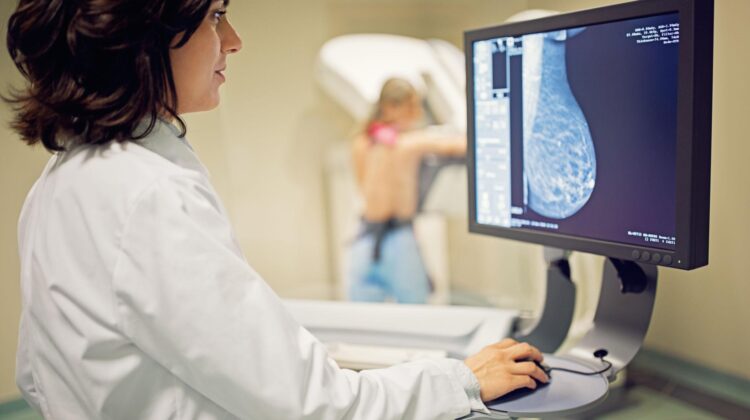
A major breakthrough in artificial intelligence could change how we fight one of the world’s most serious diseases.
Researchers at Massachusetts Institute of Technology have developed an advanced AI system capable of predicting breast cancer years before it actually develops — long before traditional screening methods would detect it.
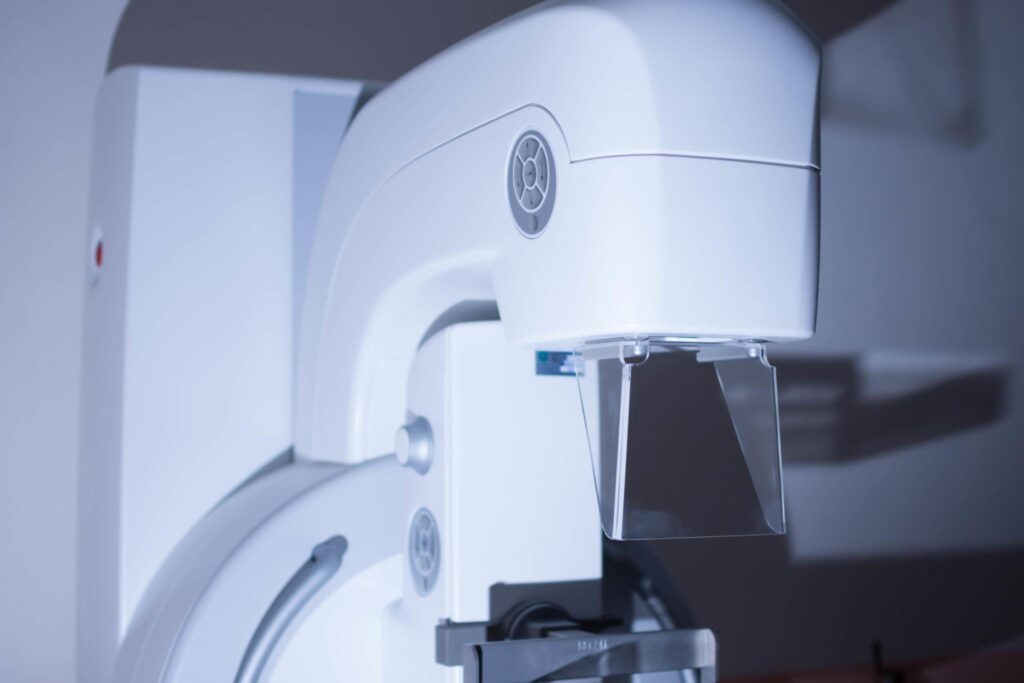
This powerful tool, known as MIRAI, analyzes mammograms in a completely new way.
Seeing What Humans Can’t
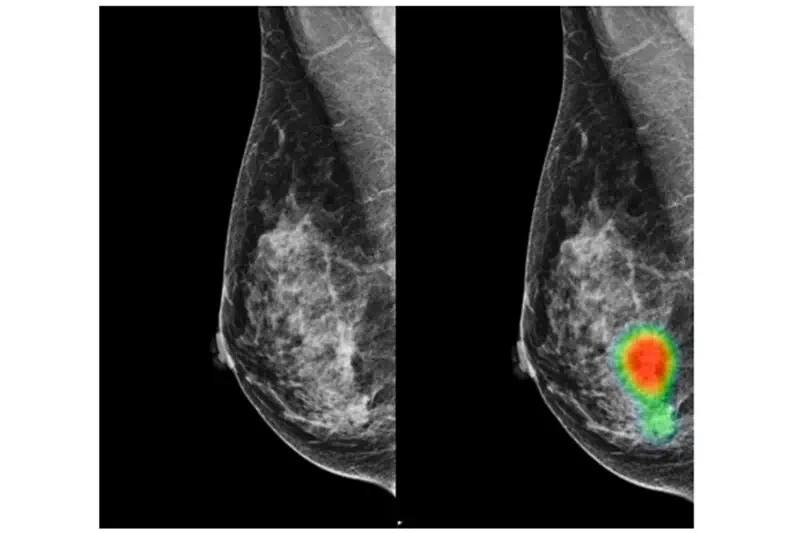
Unlike conventional screening, which looks for visible tumors, the AI studies subtle patterns in breast tissue — tiny changes that are invisible to the human eye.
By learning from vast datasets of past medical images, the system can identify early warning signs and assign a personalized risk score for each patient.
In some cases, it can predict cancer risk up to five years in advance.
A Shift From Detection to Prediction
This technology could transform healthcare.
Instead of waiting to detect cancer early, doctors may soon be able to predict who is most at risk — and act before the disease even begins.
That means:
- Earlier intervention
- More targeted screening
- Better treatment outcomes
- Potentially saving countless lives
More Personalized Care
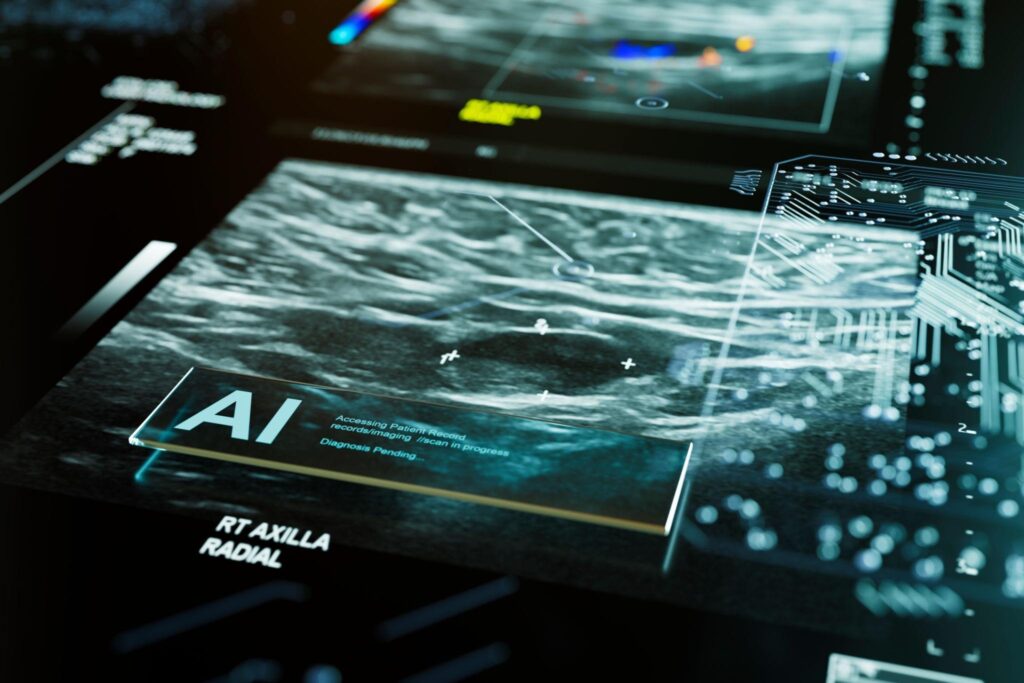
AI-driven analysis also allows for personalized screening plans.
Rather than a one-size-fits-all approach, doctors could tailor checkups based on each individual’s risk level — increasing monitoring for high-risk patients while reducing unnecessary procedures for others.
Challenges Still Ahead
Despite its promise, experts caution that more testing is needed before widespread use.
Key concerns include:
- Ensuring accuracy across different populations
- Making AI decisions understandable for doctors
- Expanding access to avoid healthcare inequality
Still, the progress is undeniable.
The Future of Medicine
As AI continues to evolve, the focus of medicine may shift dramatically — from reacting to disease to preventing it altogether.
What once sounded like science fiction is quickly becoming reality.
A future where cancer is no longer a surprise may be closer than we think.
Imagine being able to act years before a life-threatening disease even begins. This kind of innovation doesn’t just improve healthcare — it changes how we think about survival itself. As technology continues to unlock hidden signals inside the human body, the line between early detection and true prevention is starting to disappear. The question is no longer if this will transform medicine — but how quickly it will reach everyone.
Leave a Reply