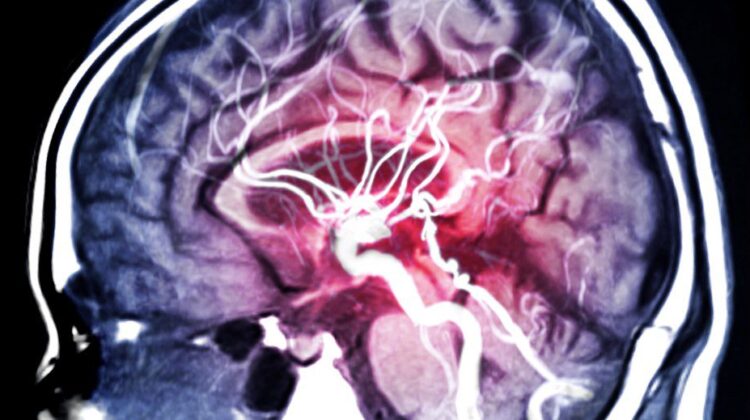
“Do not ignore this… read it in full!” This isn’t just a catchy phrase to grab your attention; it is a genuine call for awareness about a condition often known as the “silent killer.” An aneurysm is a bulge or ballooning in the wall of an artery. If left undiagnosed, it can rupture, causing life-threatening internal bleeding in a matter of moments.
Here is your comprehensive guide to the warning signs your body might be sending you—signs you must take seriously immediately:
💥 Part One: The Ultimate Red Flags (Signs of a Rupture)
When an aneurysm ruptures, it instantly becomes a sheer medical emergency. The symptoms vary depending on the location of the rupture:
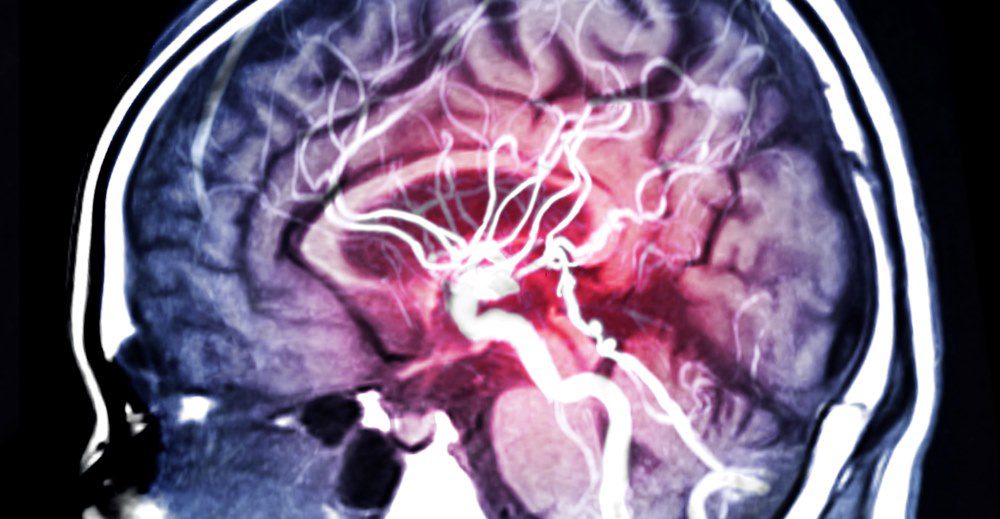
1. Ruptured Brain Aneurysm
- The worst headache of your life: Medically described as a “thunderclap” headache, this is a sudden, severely intense pain that feels completely different from any headache you have ever experienced.
- Nausea and vomiting: Often accompany the intense, blinding headache.
- Stiff neck: Noticeable pain or stiffness that makes it difficult to move your neck freely.
- Vision problems: This can include blurred or double vision, extreme sensitivity to light, or a drooping eyelid.
- Severe neurological changes: Such as sudden confusion, loss of consciousness, weakness or numbness on one side of the face, or even a seizure.
- Dilated pupils: One or both pupils may become abnormally enlarged.
2. Abdominal Aortic Aneurysm (AAA) Rupture
- Sudden, severe pain: An excruciating pain that suddenly strikes the abdomen, lower back, or flank.
- Feeling faint or dizzy: The extreme pain is usually accompanied by a rapid heart rate and a sharp drop in blood pressure.
- Pulsating mass: A strong pulsatile or throbbing feeling in the belly, usually near the navel.
- Pale or sweaty skin: A classic sign that the body is going into “shock.”
🤫 Part Two: Whispers Before the Storm (Unruptured Aneurysm Symptoms)
Most aneurysms start small and do not produce any symptoms at all. However, as a larger aneurysm expands, it can press against nearby nerves or tissues, sending out warning signals that you need to watch out for:
1. Unruptured Brain Aneurysm
- Pain above or behind the eye: A persistent, focused ache in that specific area.
- Vision changes: Such as the onset of double vision or a drooping eyelid.
- Numbness or weakness: Feeling a loss of sensation or weakness localized to one side of the face.
- Dilated pupil: A noticeable enlargement of the pupil in one eye for no apparent reason.
2. Unruptured Abdominal Aortic Aneurysm (AAA)
- Abdominal or back pain: A general discomfort that can either be constant or come and go.
- Pulsating feeling: A frequent throbbing or “heartbeat” sensation in the belly.
- Embolic phenomena: Occasionally, a small blood clot can break off from the aneurysm and travel down to the feet, causing sudden pain or a bluish discoloration of the toes.
💡 Final Piece of Advice:
Your body is always communicating with you; never ignore its messages. If you or someone around you experiences the “worst headache of your life” or any of the sudden, severe symptoms mentioned above, do not wait. Seek emergency medical care immediately! In these situations, minutes can literally mean the difference between life and death. Share this information—you might just save a life.
Leave a Reply