
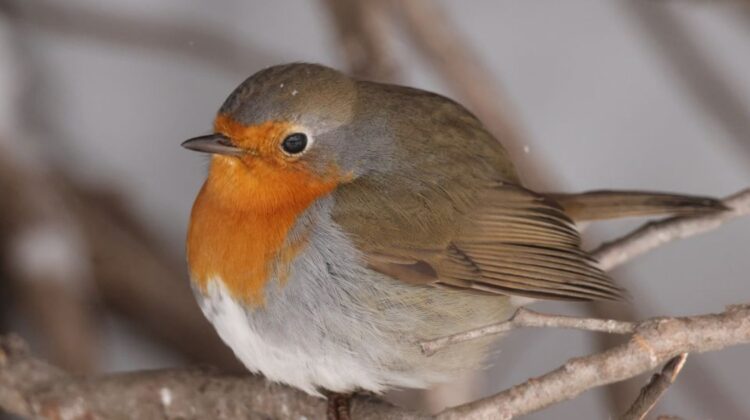
A rare bird sighting in Montreal has drawn attention from bird enthusiasts across North America, after what is believed to be the first recorded appearance of a European robin in Canada.
The small songbird was first spotted on January 7 by local bird-watcher Sabrina Jacob, who noticed an unfamiliar sound while outside her home. She quickly recorded a short video and later shared it through a bird-monitoring platform, where experts confirmed the unusual identification.
The European robin is easily recognized by its bright orange face and chest. It is commonly found across Europe, parts of western Asia, and North Africa. Despite its name, it is not closely related to the American robin.
Since the sighting, bird-watchers from across the continent have traveled to Montreal hoping to catch a glimpse of the unexpected visitor. Some have reportedly made long journeys, highlighting the significance of the discovery within the birding community.
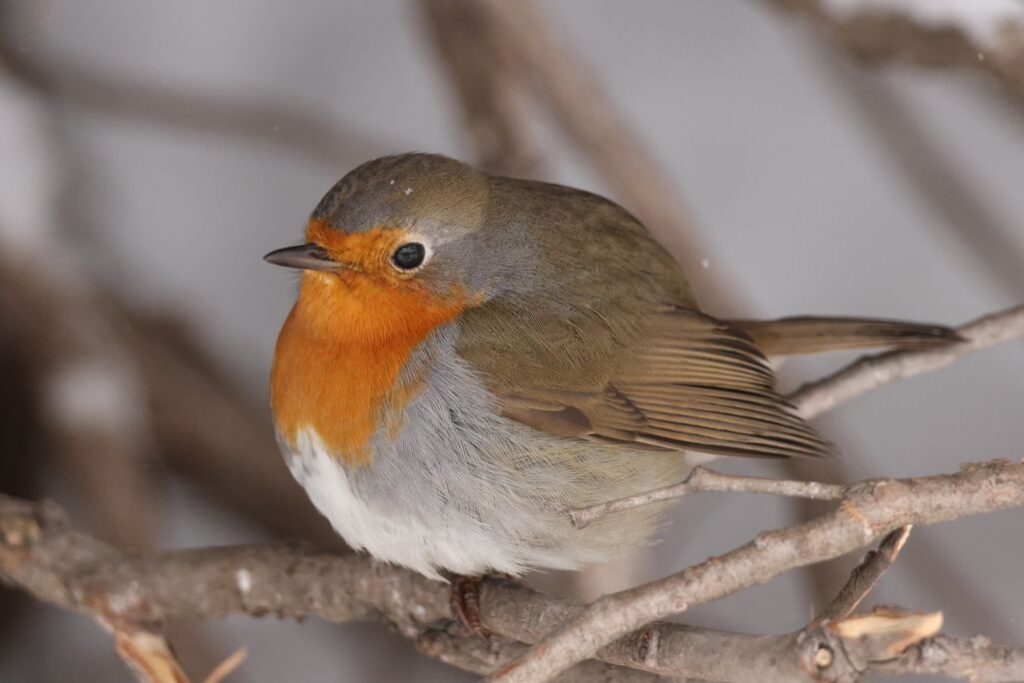
Experts say the bird’s presence raises questions about how it reached North America. According to Maggie MacPherson, European robins are not known for long-distance migration, making a transatlantic journey highly unlikely under normal circumstances.
Two main explanations have been suggested. The bird may have been carried off course by strong storms crossing the Atlantic Ocean, or it could have unintentionally traveled aboard a ship. Both scenarios are considered rare but possible.
Another expert, Joël Coutu, noted that the robin may have been in the region for some time before being noticed, possibly arriving during earlier seasonal movements.
Despite Montreal experiencing particularly cold winter conditions, specialists believe the bird could survive as long as it continues to find enough food. Small songbirds rely heavily on consistent feeding to maintain the high metabolism needed to endure low temperatures.

The sighting has sparked widespread interest not only because of its rarity, but also because it highlights how unpredictable wildlife movements can be—especially in a changing global environment.
Rare wildlife events like this highlight the growing importance of environmental monitoring, conservation technology, and biodiversity research—sectors increasingly supported by high-value industries such as eco-tourism, climate science, and wildlife tracking innovations. As global interest in nature and sustainability rises, investments in conservation tools, data platforms, and environmental protection initiatives continue to expand, making this field one of the most impactful and commercially significant areas of modern science.
Leave a Reply