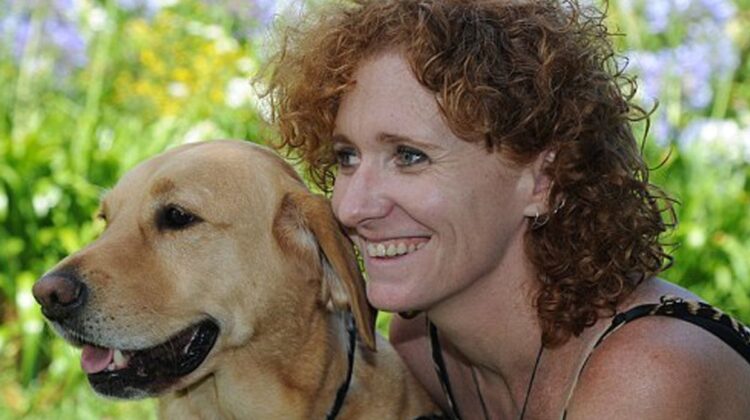
Some medical stories are so unusual that doctors struggle to explain them. One is the story of Lisa Reid of Auckland, New Zealand, who lost her sight as a child to a brain tumor and, according to her own account, regained part of it after a fall at home while saying goodnight to her guide dog. Here is what has been reported, and what it does and doesn’t mean.
Losing Her Sight at 11
When Reid was 11, a cancerous brain tumor took her sight. Surgeons successfully removed the tumor, but the operation left her optic nerves permanently damaged. Her ophthalmologist told her she would never see again, and she later described how unfair it felt to lose something so precious.
For the next 13 years she lived without sight, supported by New Zealand’s Blind Foundation and by her guide dog, Ami.
The Fall
In 2000, when Reid was 24, she bent down to kiss Ami goodnight before bed. She lost her balance and hit her head on the floor and the coffee table at the same time. She went to bed with a sore head.
When she woke the next morning, the darkness was gone. According to the reports, the impact had partially restored her vision.
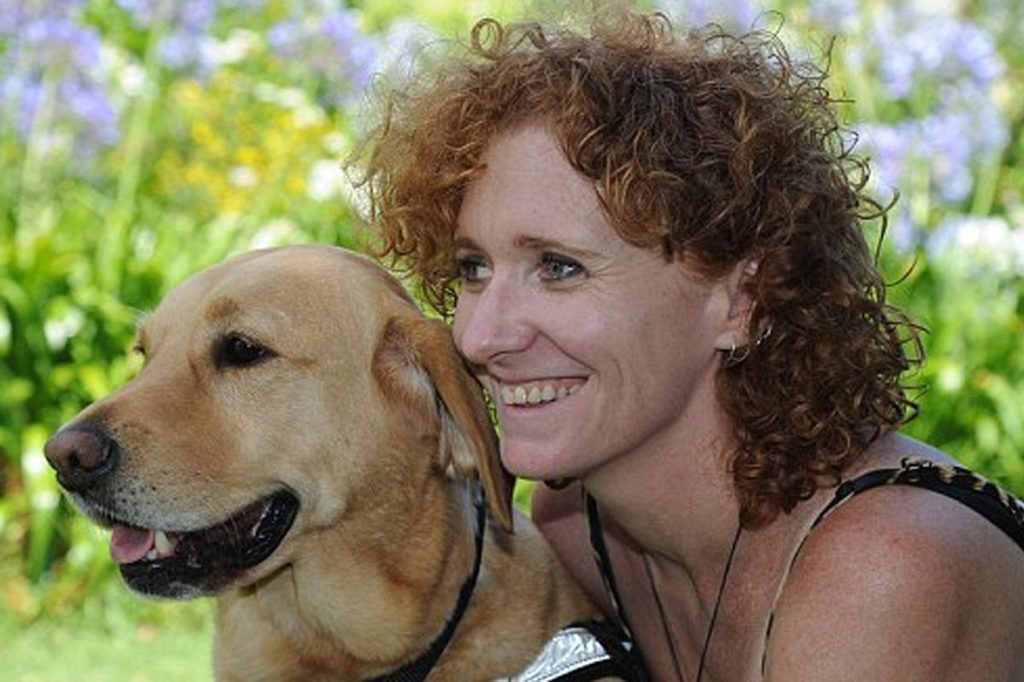
Seeing Her Family Again
The change brought its own shock. Reid had last seen her family as a child, so the people around her had visibly aged while she was in the dark. She described her brother as a grown man with a goatee, and her mother as looking the same, only older. In a sense, she had to reintroduce herself to the people closest to her.
Years later, she shared her story publicly to raise awareness during Blind Week in New Zealand and to thank the community that supported her.
What Doctors Say
Reports say medical professionals were baffled and couldn’t offer a definitive explanation for the recovery. Reid herself said that nobody knows what happened or can explain it.
What This Story Doesn’t Mean
This is an extraordinary single case, and it is important to read it carefully:
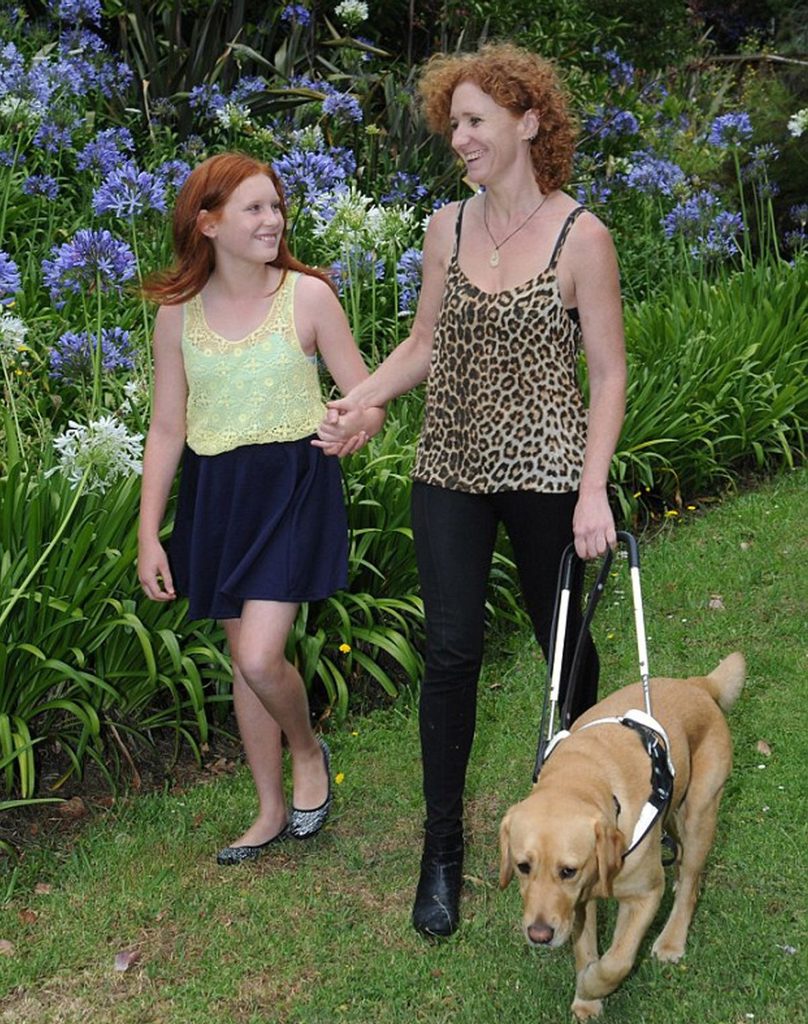
- The details come from Reid’s own accounts to media outlets. No medical records or published case study are cited in the reports.
- Her vision was described as partially restored, and the reports don’t say how much she can see.
- A head injury is not a treatment for blindness. Blows to the head can cause serious, even life-threatening harm, and nobody should try to copy what happened.
- Anyone with vision loss should speak to an eye doctor or neurologist instead of relying on stories like this.
What Guide Dogs Do
Guide dogs like Ami are trained to help blind and low-vision people move safely, by guiding them around obstacles, stopping at curbs and keeping a steady route through busy places. Beyond the practical help, many handlers describe their dogs as close companions. Guide dog organizations around the world typically rely on donations and volunteers to breed, raise and train their dogs.
Support Guide Dogs and Eye Health
If this story moved you, here are ways to help or to look after your own vision:
- Support guide dog training. Compare guide dog charities, puppy sponsorship programs and service dog donations.
- Look after your eyes. Book a regular eye exam and ask about vision insurance or health insurance plans that cover eye care.
- Fund research. A donation to brain tumor research or eye disease research helps early-stage science.
- Support blind communities. Look up local blind and low vision support services and volunteering opportunities.
- Raising a dog? Browse dog training classes and pet insurance for new puppies.
Frequently Asked Questions
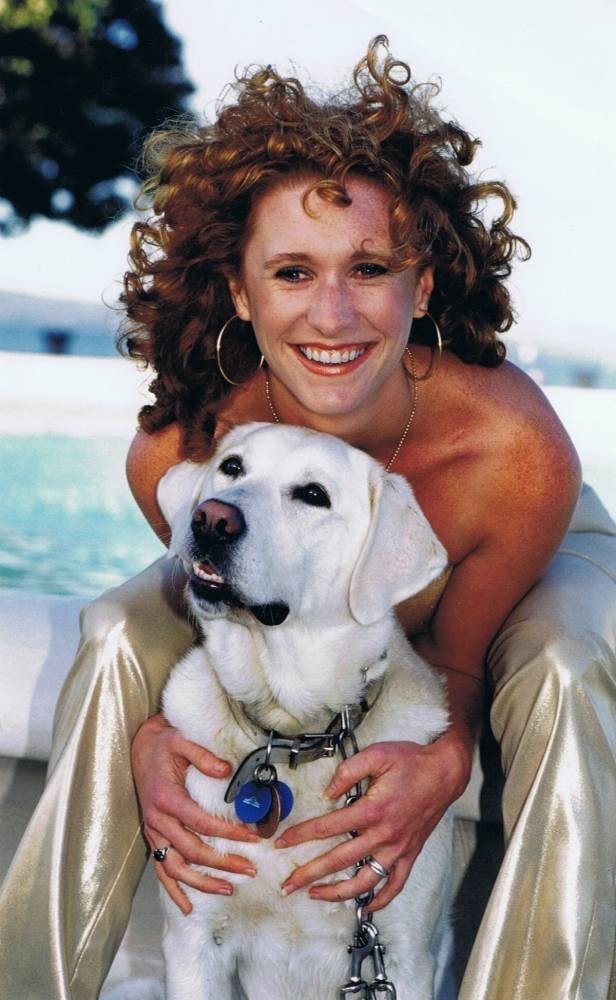
Who is Lisa Reid? A woman from Auckland, New Zealand, who lost her sight at 11 after a brain tumor and later reported regaining partial vision.
How did she regain her sight? She says it happened after she lost her balance bending down to kiss her guide dog and hit her head. Doctors have not given a definitive explanation.
Can a head injury cure blindness? No. This is a rare, unexplained case, and head injuries can be dangerous.
What was her guide dog’s name? Ami.
Sources: ABC News, the Independent UK and the Daily Mail, all covering Lisa Reid’s account of losing her sight as a child and partially regaining it after a fall in 2000.
Leave a Reply