
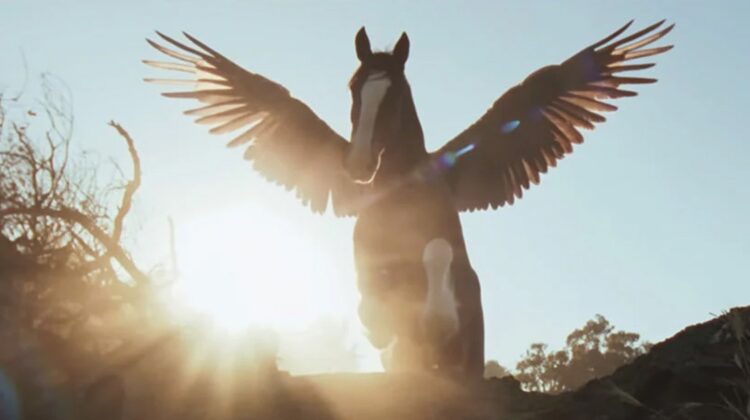
Budweiser has long mastered the art of emotional storytelling. Its Super Bowl commercials are often praised not for what they sell, but for what they make people feel. In 2026, the brand continued that tradition with “American Icons,” a visually stunning, emotionally resonant commercial that quickly captured the attention of millions.
And yet, as powerful as the ad is, it raises an important question:
Where does the beer fit into the story?
A Cinematic Experience First, an Advertisement Second
From its opening frame, “American Icons” feels less like a commercial and more like a short documentary. The familiar Clydesdale horses appear once again, joined by a bald eagle—an unmistakable symbol of the United States. Together, they form a narrative about companionship, growth, and the quiet passage of time.
The imagery is elegant. The pacing is deliberate. The emotions feel earned. As storytelling, the ad succeeds brilliantly.
But as a beer commercial, its connection to Budweiser’s actual product remains almost invisible.
Super Bowl Night and the Power of Emotion
With more than 125 million viewers watching Super Bowl LX, brands competed not just for attention, but for emotional impact. Between the Seahawks’ decisive victory and Bad Bunny’s electrifying halftime show, the night was filled with spectacle.
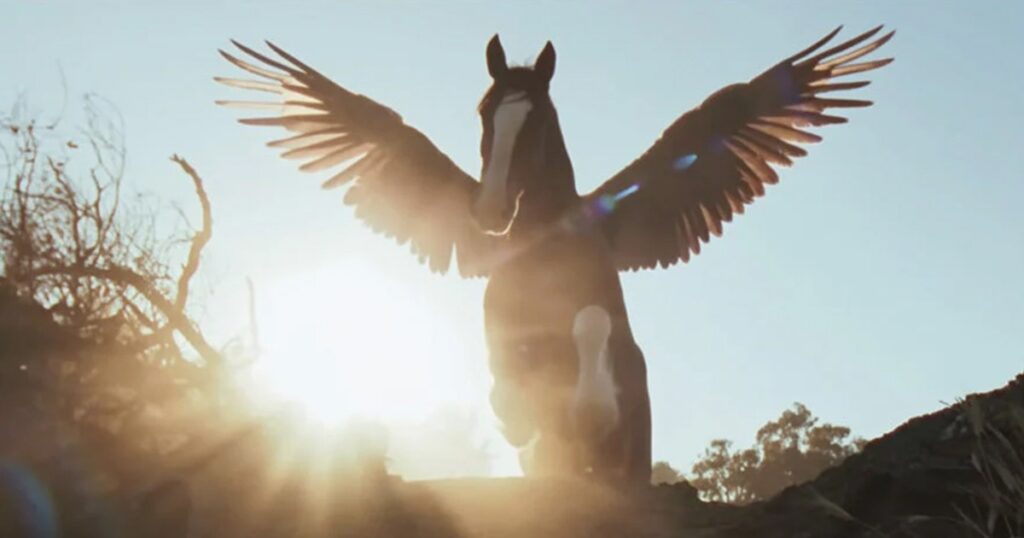
Budweiser chose a different path—silence over noise, symbolism over slogans. While many Super Bowl ads aim to entertain or shock, “American Icons” invites reflection instead.
That artistic choice paid off in engagement, but it also created distance between the story and the beverage it was meant to promote.
Symbols That Overshadow the Product
The Clydesdale has always been a natural extension of Budweiser’s identity. The bald eagle, however, carries a weight far greater than any brand. It represents freedom, nationhood, and collective memory.
By placing these two icons at the center of the narrative, the commercial elevates itself into a patriotic and emotional space—one that feels almost too sacred, too symbolic, to be associated with beer consumption.
The result is a beautiful story that viewers remember, but not necessarily one that makes them think about opening a Budweiser.
A Milestone Message, Not a Sales One

The commercial commemorates Budweiser’s 150th anniversary and subtly references America’s upcoming 250th birthday. These milestones frame the ad as a tribute rather than a promotion.
This approach reinforces brand legacy and emotional goodwill, but it does so at the expense of product relevance. The beer becomes an afterthought—present in name, absent in narrative.
Viral Praise, Quiet Questions
After its release on YouTube, the commercial surpassed 3 million views within hours. Viewers praised its beauty, calling it moving, nostalgic, and even tear-inducing.
Yet many reactions focused on the story itself, not on Budweiser as a drink. That distinction matters. Emotional resonance builds brand affection, but effective advertising also builds product association—and here, that link feels faint.
A Stunning Film with a Branding Gap
“American Icons” is undeniably well-crafted. It reflects America’s love for heritage, symbolism, and emotional storytelling. As a short film, it succeeds. As a cultural moment, it resonates.
But as a beer advertisement, it drifts.
Budweiser didn’t just sell a product—it told a story about identity. Whether that story truly needed beer at all is the quiet question the commercial leaves behind.
Why Emotion-Driven Advertising Continues to Shape Consumer Trust
In an era where audiences are overwhelmed by content, emotion-driven advertising has emerged as one of the most effective tools for building long-term brand trust. Campaigns that rely on symbolism, heritage, and storytelling—rather than direct product placement—tend to leave a deeper psychological imprint on viewers. This approach not only strengthens brand identity but also influences consumer behavior across industries such as premium beverages, luxury goods, finance, and lifestyle markets. As brands increasingly compete on values and emotional resonance, understanding the balance between storytelling and product relevance has become a defining factor in modern marketing success.
Leave a Reply