Trophy hunting has long been one of the ugliest and most polarizing corners of the wildlife industry. While conservation groups warn that killing endangered animals accelerates their decline, hunters continue to pursue elephants, lions, leopards, and rhinos for sport and profit.
But in a rare twist of fate, one of Africa’s most notorious trophy hunters met a brutal end that stunned the world—and reignited heated debate about the ethics of big-game hunting.
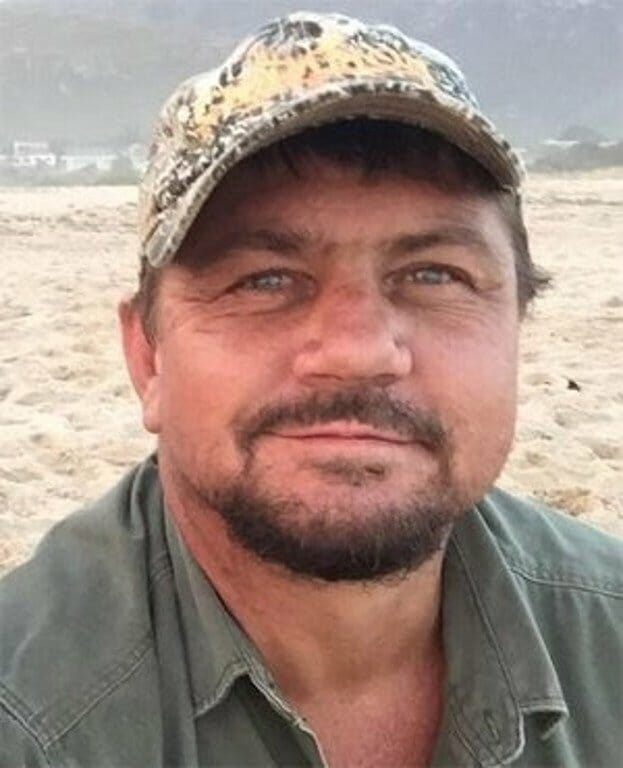
The Hunter: Scott Van Zyl
Scott Van Zyl, a South African professional hunter and owner of a safari company, spent years guiding wealthy international clients on hunts across the continent. His expeditions targeted some of Africa’s most threatened species, including elephants, cheetahs, lions, and other big game.

For Van Zyl, hunting was a business—and a career built on killing the very animals conservationists fight to save.
A Routine Hunt Turns Deadly
In 2017, Van Zyl traveled to Zimbabwe for what was supposed to be another trophy-hunting expedition. He was accompanied by a local tracker and his trained hunting dogs.
At one point, he separated from the group and moved alone toward the Limpopo River—an area known for aggressive crocodiles.
Hours later, his dogs returned without him. That was the first sign that something had gone very wrong.

The Search: A Backpack, Footprints… and a Grim Discovery
Search teams combed the riverbanks and eventually found Van Zyl’s backpack near the water’s edge. Footprints suggested he had walked directly toward the river.
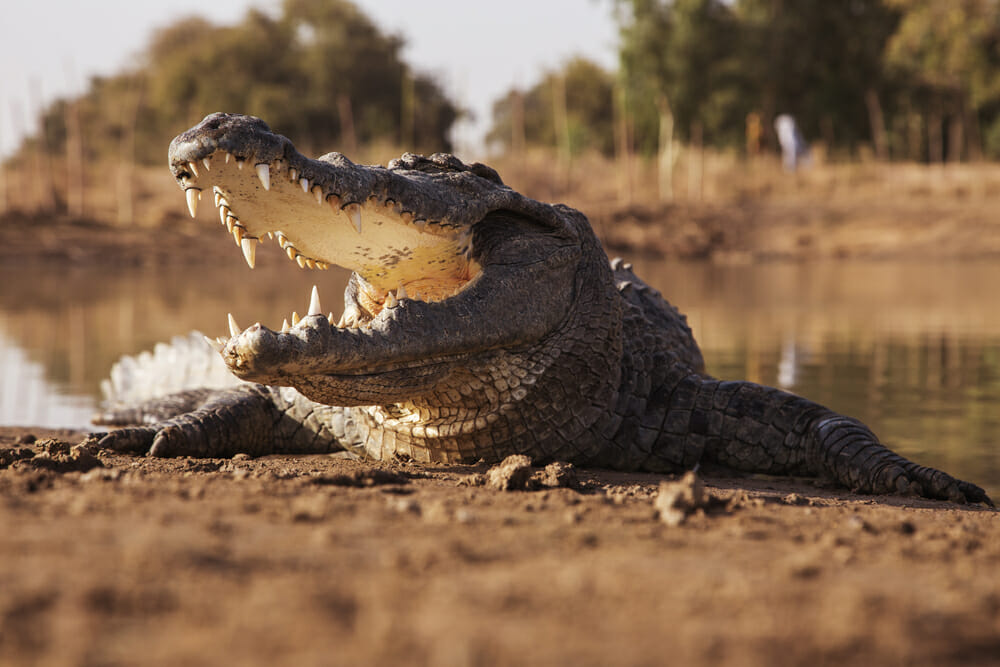
Authorities, fearing he’d been dragged into the water, captured several large crocodiles from the surrounding area.
What they found inside them confirmed their worst suspicions.

DNA Test Confirms the Unthinkable
Human remains were discovered inside the stomachs of two crocodiles.
Forensic analysis later confirmed the DNA belonged to Scott Van Zyl.
In the harshest twist imaginable, a man who spent his life hunting wildlife had been consumed by the very ecosystem he exploited.

Was It Karma? The Internet Thinks So
News of Van Zyl’s death spread rapidly—and the reaction was divided.
Animal lovers and wildlife advocates called his fate a form of “natural justice.”
Many didn’t celebrate his death, but they said it highlighted the moral bankruptcy of trophy hunting.
One Green Planet noted:

“Let’s be honest—he shouldn’t have been hunting in the first place. You have to ask whether the ‘thrill of the hunt’ is worth risking your life while taking others.”
The Bigger Issue: The Ethics of Trophy Hunting
Supporters of trophy hunting often argue that it brings money into conservation programs and supports local communities.
But major organizations—including the Humane Society International and World Wildlife Fund (WWF)—dispute these claims, pointing to corruption, mismanagement, and declining populations of iconic species.
Elephants, lions, and cheetahs are now disappearing faster than they can reproduce—yet trophy hunting continues legally in several countries.

The Hidden Cost of Trophy Hunting: A Billion-Dollar Industry Under Fire
Trophy hunting is more than a moral controversy—it is a massive global industry fueled by private safaris, luxury travel, and high-priced licenses that can cost tens of thousands of dollars for a single kill. Financial reports show that the majority of this money never reaches conservation programs, despite repeated claims by hunting groups. Instead, it often flows into private companies and corrupt intermediaries, leaving wildlife populations to continue collapsing.
Economists warn that the financial model behind trophy hunting is outdated and unsustainable, especially as Africa’s elephant and lion populations shrink year after year. Modern conservation groups now argue that eco-tourism, wildlife photography, and protected-habitat investments generate far higher long-term revenue for local communities—without killing endangered species. As pressure mounts from U.S. lawmakers and global animal-rights organizations, the future of trophy hunting may be closer to collapse than hunters realize.

Final Thoughts
Whether you see Van Zyl’s fate as tragic irony, karma, or simply the unpredictability of the wild, his story has reignited global debate.
Should trophy hunting be banned entirely?
And at what point does the “sport” become simply cruelty?
Let us know your thoughts in the comments.