• Skip to main content
  • Skip to primary sidebar
  • Skip to footer
  • Home
  • About Us
  • Copyright Report
  • Submit Content
  • Terms
  • Privacy Policy
  • Legal Disclaimer

Hasan Jasim

Hasan Jasim is a place where you may get entertainment, viral videos, trending material, and breaking news. For a social generation, we are the largest community on the planet.

Unveiling the Kimberley’s Ancient Art: A 50,000-Year-Old Timeline

by Hasan Jasim Editorial Team Leave a Comment

ShareTweet

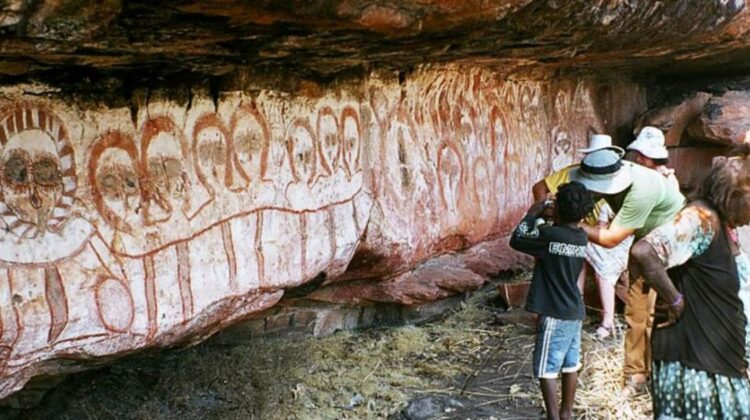
The Kimberley region of north-western Australia is a treasure trove of ancient art, boasting some of the oldest human-made artworks on Earth. Dating back an astonishing 41,000 to possibly 50,000 years, these intricate rock paintings offer a glimpse into the lives and beliefs of Indigenous Australians.
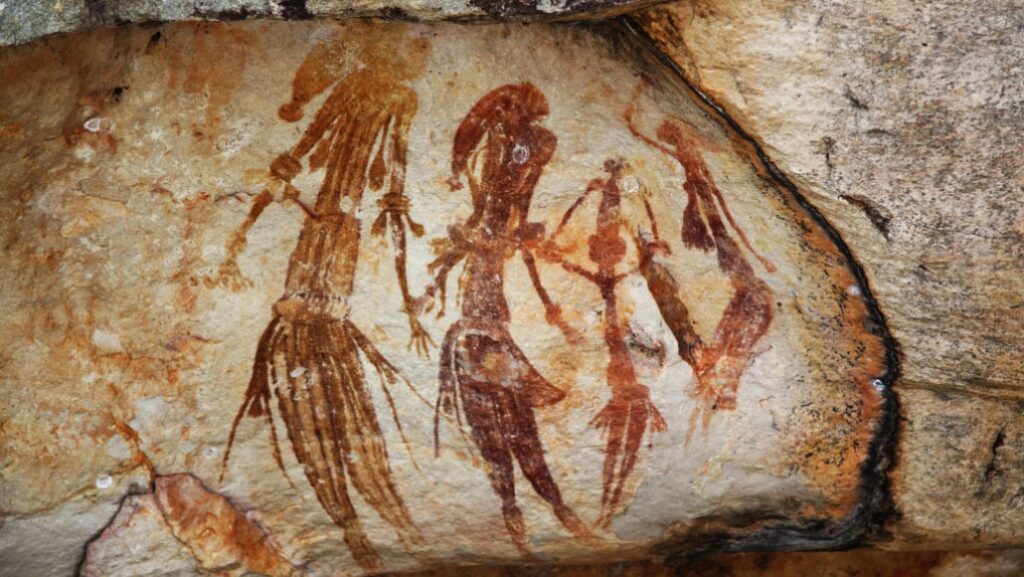
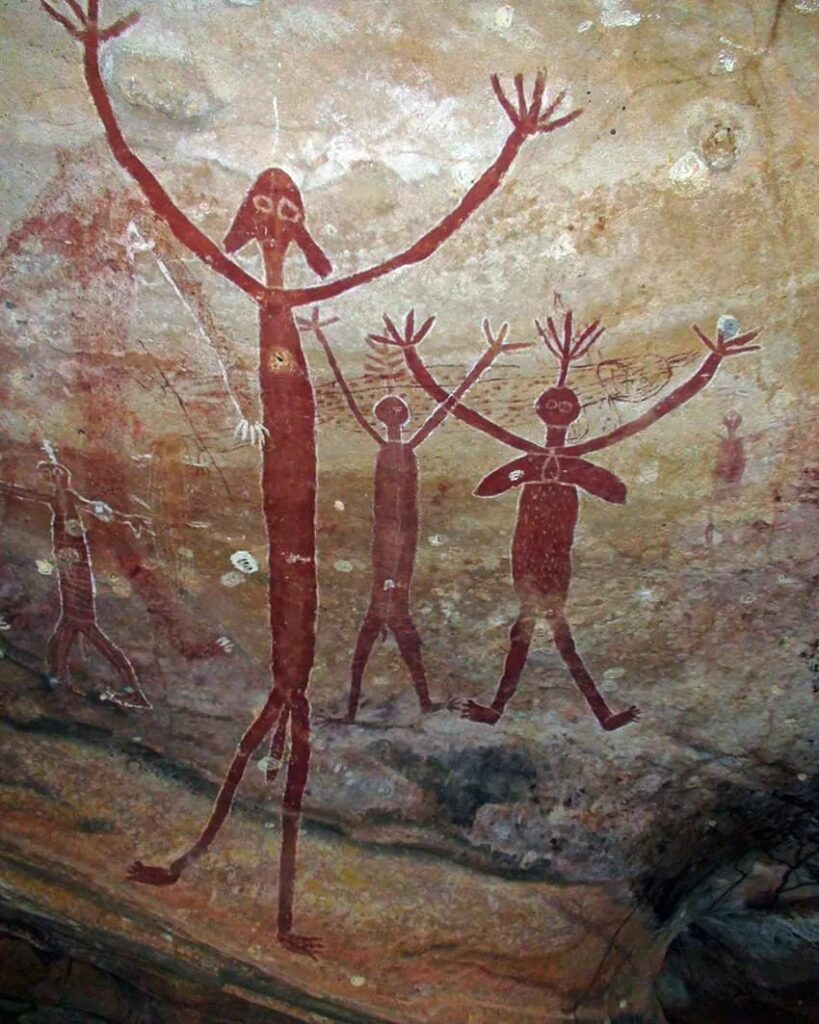
New radiocarbon dates of mud wasp nest remains at rock art sites in western Australia indicate that a distinctive Aboriginal painting style known as Gwion (example shown) flourished later than often assumed, approximately 12,000 years ago.

A Diverse Tapestry of Art

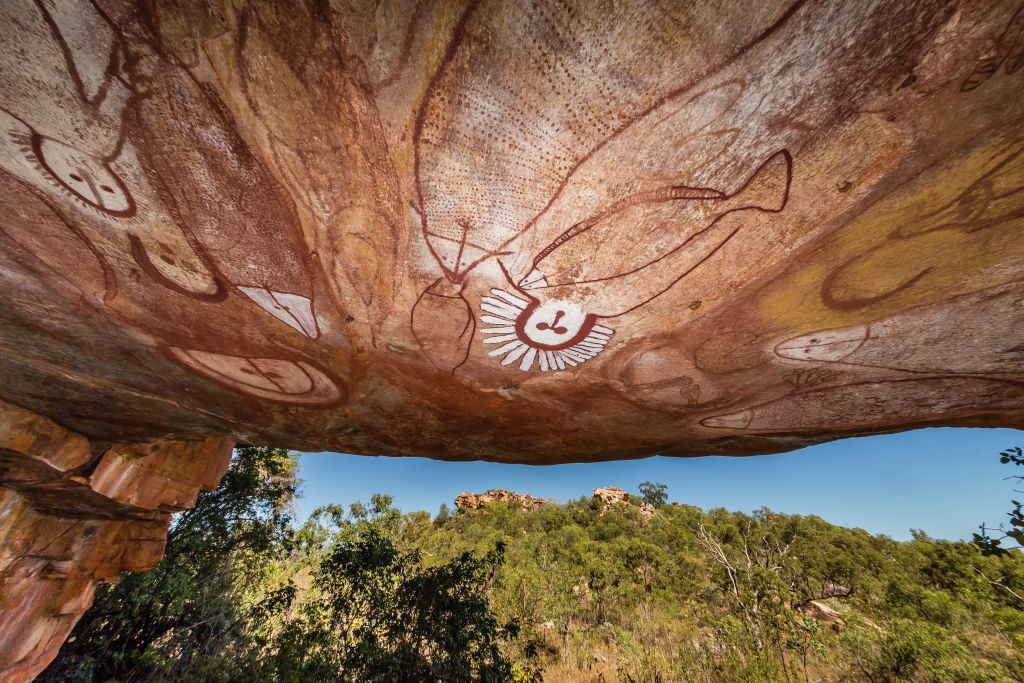
The Kimberley’s rock art showcases a remarkable diversity of styles, from the intricate details and dynamic poses of the Gwion Gwion paintings to the large eyes and halo-like heads of the Wandjina spirits. Artists employed various techniques, including using ochre pigments, carving into rock, applying beeswax and resin, and even arranging stones to create symbolic designs.
The Endurance of Time

The durability of these artworks is a testament to the skill and foresight of their creators. Ochre’s strong bond with sandstone and the remote locations of the rock art sites have protected them from vandalism and the ravages of time. Indigenous Rangers and archaeologists work tirelessly to manage and protect these invaluable cultural heritage sites.
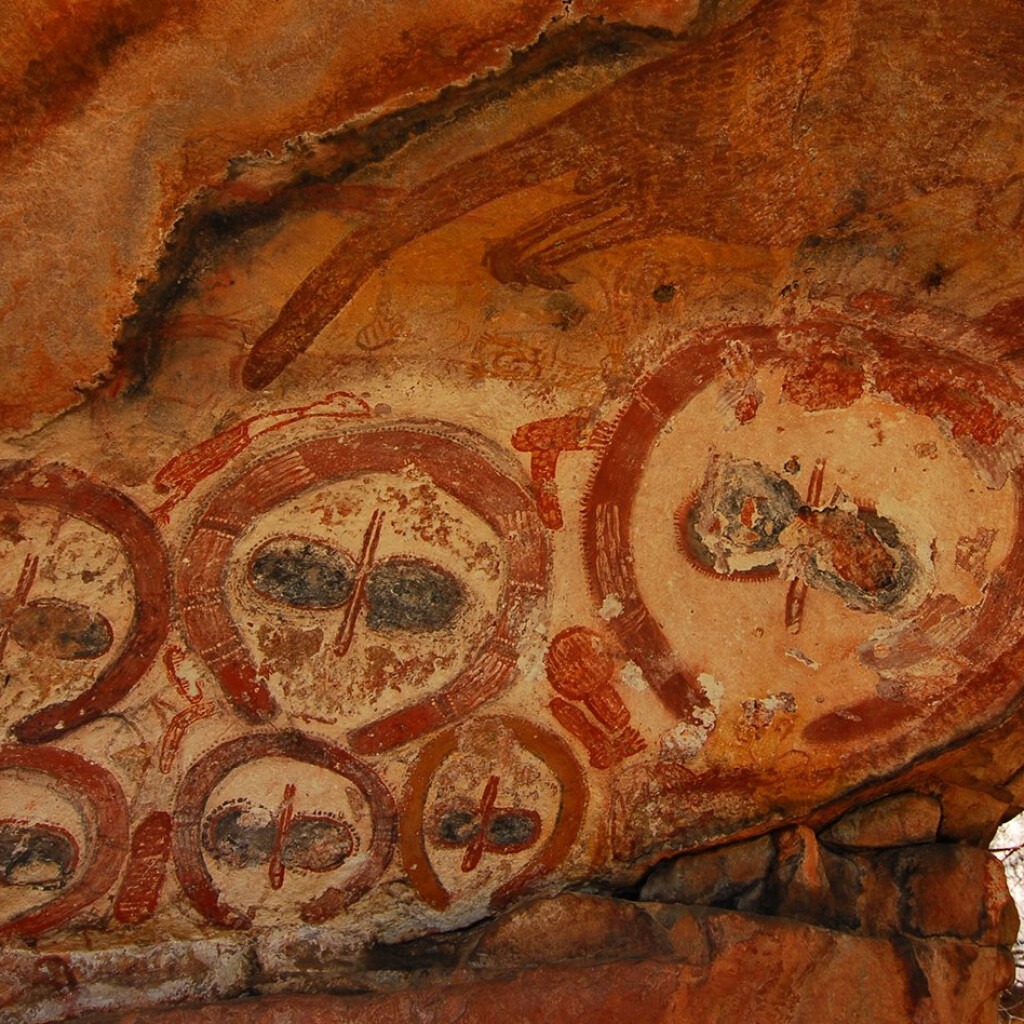
A Recent Breakthrough in Dating

A groundbreaking study has recently shed new light on the age of the Kimberley’s rock art. By dating mud wasp nest remnants found both beneath and on top of the paint, researchers have determined that many of the fanciful human figures adorning the rock shelters were painted much more recently than previously thought, around 12,700 to 11,500 years ago.
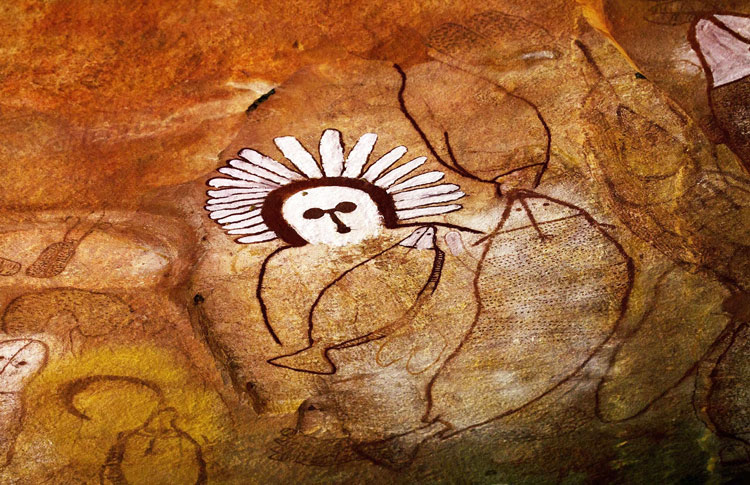
The Significance of Dating

Accurate dating is crucial for understanding the sequence of events and cultural changes that occurred over time. By combining radiocarbon dating of mud wasp nests with other dating methods, researchers can piece together a more complete picture of the ancient Aboriginal people who created these remarkable artworks.
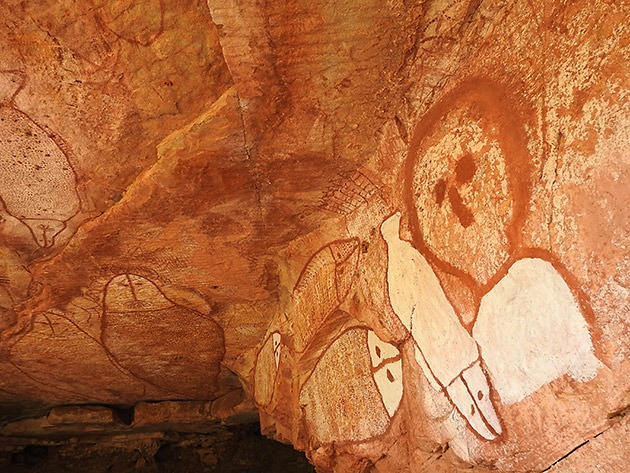
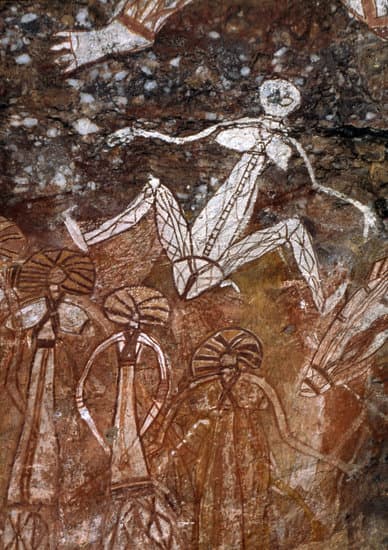
The Kimberley’s ancient rock art is a testament to the ingenuity, creativity, and spiritual beliefs of Indigenous Australians. As we continue to uncover the secrets of these remarkable artworks, we gain a deeper appreciation for the rich cultural heritage of our planet.

Filed Under: Trends Worldwide Tagged With: Aboriginal cultural practices, ancient art, Gwion Gwion paintings, Indigenous Australian art, Kimberley rock art, mud wasp nests, ochre pigments, radiocarbon dating, rock art dating, social life, Wandjina spirits

Reader Interactions

Leave a Reply Cancel reply

Your email address will not be published. Required fields are marked *

Primary Sidebar

More to See

Tigers’ Bright Orange Color Is Actually Excellent Camouflage and Now We Know Why

By Hasan Jasim Editorial Team

The Holy Trinity Monastery in Meteora, Greece: A Symbol of Faith and Resilience

By Hasan Jasim Editorial Team

Cat Walks Across a Computer Keyboard — And Wins a Prize

By Hasan Jasim Editorial Team

A Woman Grows Catnip in Her Yard and Attracts Every Stray Cat in the Neighborhood

By Hasan Jasim Editorial Team

Newly Hatched Golden Plovers Blend in Perfectly with Their Surroundings

By Hasan Jasim Editorial Team

The Mystical Groove: A Journey through Poland’s Crooked Forest

By Hasan Jasim Editorial Team

Under an Active Volcano: The Ancient Art of Sun-Drying Tomatoes at Mount Etna

By Hasan Jasim Editorial Team

Footer

ABOUT HASANJASIM.ONLINE

Hasanjasim.online is a digital platform dedicated to publishing well-researched articles about the animal kingdom, nature, and the environment. Our editorial team works to source stories from credible outlets, scientific research, and verified reports, aiming to inform as much as we entertain. From wildlife conservation and animal behavior to natural wonders and environmental science, we cover the topics that help readers better understand and appreciate the natural world. Whether you're a lifelong nature lover or simply curious about the planet we share, Hasanjasim.online aims to be a trustworthy destination for stories worth reading — and worth citing.

Recent

  • A Vet Died After Entering a Pregnant Hippo’s Enclosure Alone at Night — Why Hippos Are Far More Dangerous Than They Look
  • A Woman Was Filmed Dumping Trash Into a Duck Pond — Police Have Now Fined Her $1,000
  • A Hiker Provoked a Cow With a Walking Stick — Then the Whole Herd Turned on Him
  • A Nurse Saved a Stray Pit Bull From Euthanasia — Then He Nearly Took Her Arm
  • Why People Eat the Flowering Shoots of Broadleaf Plantain (Plantago major)
  • Woman Checks Shelter Adoption Site and Finds Her Dog Who Disappeared Two Years Ago
  • A £50 “Fox Head” Bought at a Market Just Sold for £60,000 — Because It’s an Extinct Tasmanian Tiger

Search