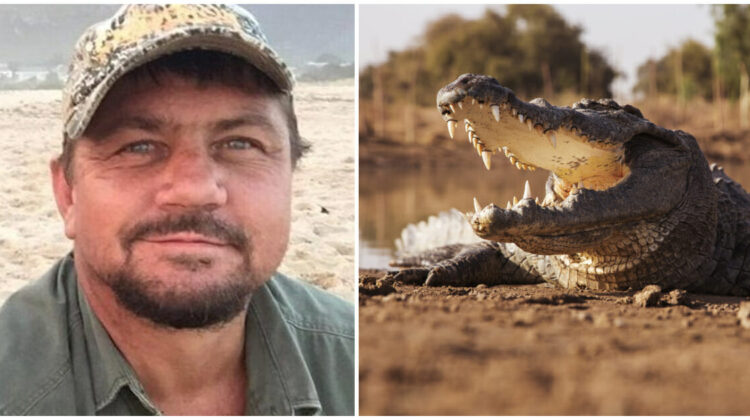
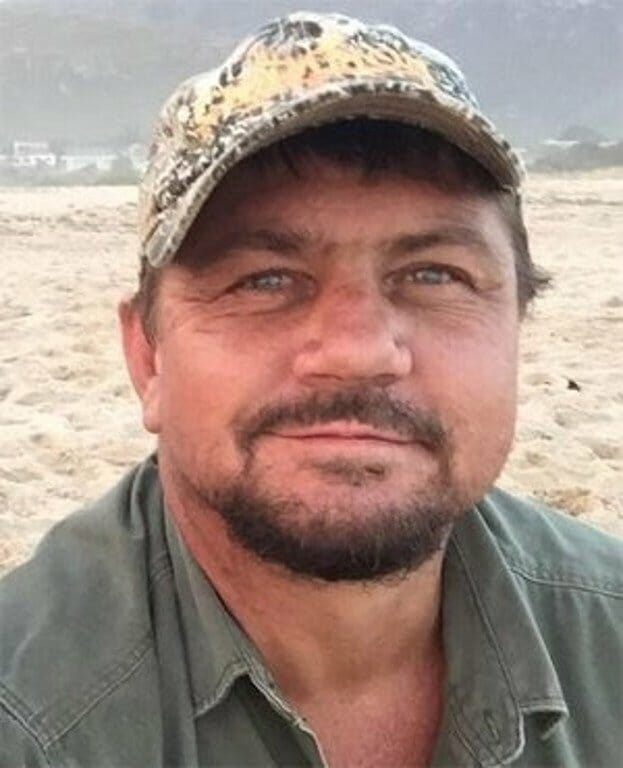
Scott Van Zyl, a South African trophy hunter and safari operator, disappeared in 2017 while hunting crocodiles along a riverbank in Zimbabwe. What authorities eventually found closed one of the more grimly ironic stories in recent trophy hunting history.
What Happened
Van Zyl ran a safari company that took paying clients on big game hunts targeting lions, cheetahs, giraffes, and elephants, in addition to hunting himself. During a solo crocodile hunting trip in Zimbabwe, he headed out with tracking dogs and a local guide before going off alone in search of crocodiles along the riverbank.
According to the BBC, when his tracking dogs returned without him, search efforts began. Investigators found his footprints and bag near the water’s edge. Local authorities subsequently found human remains in the area’s crocodile population, and DNA testing confirmed they belonged to Van Zyl.
A Story That Reignited the Trophy Hunting Debate
News of Van Zyl’s death drew significant online reaction, much of it framing his death as ironic given his profession. One Green Planet, while not celebrating his death, used the case to argue against trophy hunting more broadly, writing that hunters “shouldn’t have been hunting in the first place” and questioning whether “the thrill of the hunt is really worth risking your own life — while deliberately taking others.”
That reaction points to a genuinely contested debate that deserves more than a one-sided take.
The Actual Arguments on Both Sides
The case made by trophy hunting’s defenders centers largely on conservation economics: in several African countries, legal, regulated trophy hunting generates substantial revenue that’s funneled into anti-poaching enforcement, habitat protection, and compensation for communities living alongside dangerous wildlife. Proponents argue that when hunting quotas are scientifically set and strictly enforced, the practice can fund conservation more reliably than tourism alone, particularly in remote areas photographic safaris rarely reach.
The case made by critics argues that trophy hunting revenue is inconsistently reinvested in conservation, that killing individual animals — especially older males critical to a population’s genetic health — can have outsized ecological costs, and that non-lethal alternatives like photographic tourism and community conservancies can generate comparable or greater long-term revenue without killing endangered or vulnerable species.
Both positions show up repeatedly in peer-reviewed conservation economics literature, and serious researchers on both sides acknowledge the picture varies significantly by country, species, and how strictly hunting quotas are actually enforced — it’s not a debate with an easy universal answer.
The Overlooked Risk: Hunting Is Genuinely Dangerous
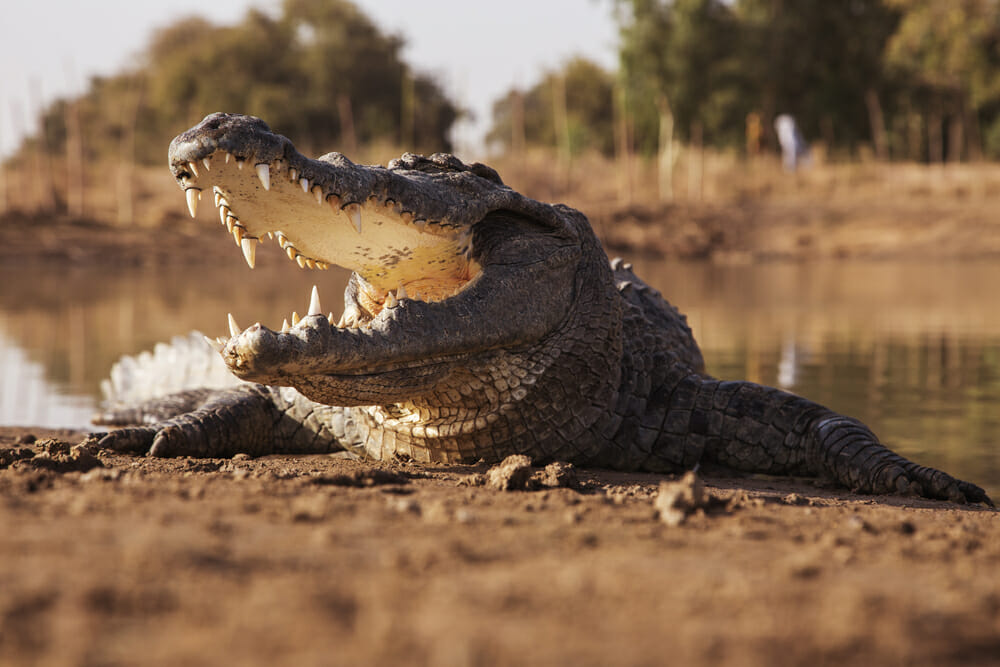
Van Zyl’s death also highlights something discussed less often: professional hunters and safari guides face real occupational risk. Crocodile attacks, in particular, are a leading cause of death among people who spend extended time near African rivers and waterways, whether hunting, fishing, or simply working nearby. Solo excursions — like the one Van Zyl undertook — substantially increase risk, since there’s no one nearby to help or raise the alarm if something goes wrong.
For anyone traveling to hunt, guide, or work in regions with dangerous wildlife, professional guiding associations generally recommend never operating alone near water known to have crocodile activity, and confirming that any safari or hunting operation carries adequate medical evacuation and travel insurance coverage — incidents like this are exactly the scenario such coverage exists for.
Frequently Asked Questions
Is trophy hunting still legal in most of Africa? Yes, in many countries it remains legal and regulated, typically through licensed quotas managed by national wildlife authorities, though specific species, seasons, and permit requirements vary significantly by country.
Does trophy hunting revenue actually go toward conservation? It varies by country and program — some regulated hunting concessions demonstrably fund anti-poaching and community conservation efforts, while critics point to cases where oversight and revenue-sharing have been weak or poorly enforced.
How common are fatal crocodile attacks in the region where this happened? Crocodile attacks are a well-documented occupational hazard for guides, hunters, fishers, and rural communities along many African rivers, with the risk rising significantly for anyone entering or working near water alone.
Sources: BBC News and One Green Planet, cited above.