
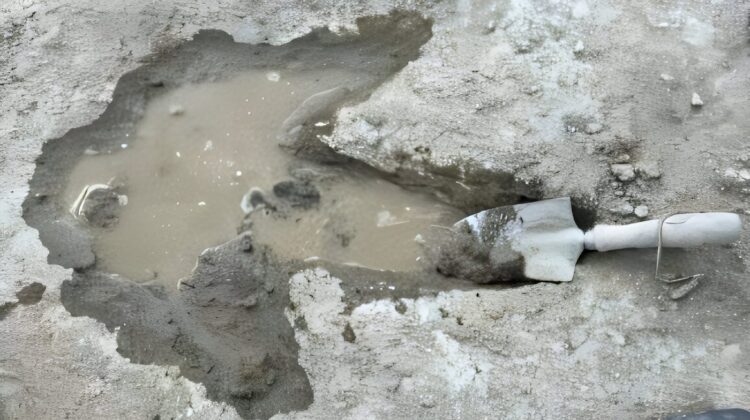
A chance observation in a quiet English quarry has uncovered one of the most significant dinosaur track sites ever found in the United Kingdom—offering a rare and vivid glimpse into life during the Middle Jurassic period, 166 million years ago.
The discovery, announced by researchers from the University of Oxford and the University of Birmingham, began last summer when a worker digging clay at Dewars Farm Quarry in Oxfordshire noticed a series of unusual raised bumps in the limestone. What initially appeared unremarkable soon proved to be extraordinary.
Nearly 200 Fossilized Footprints Unearthed
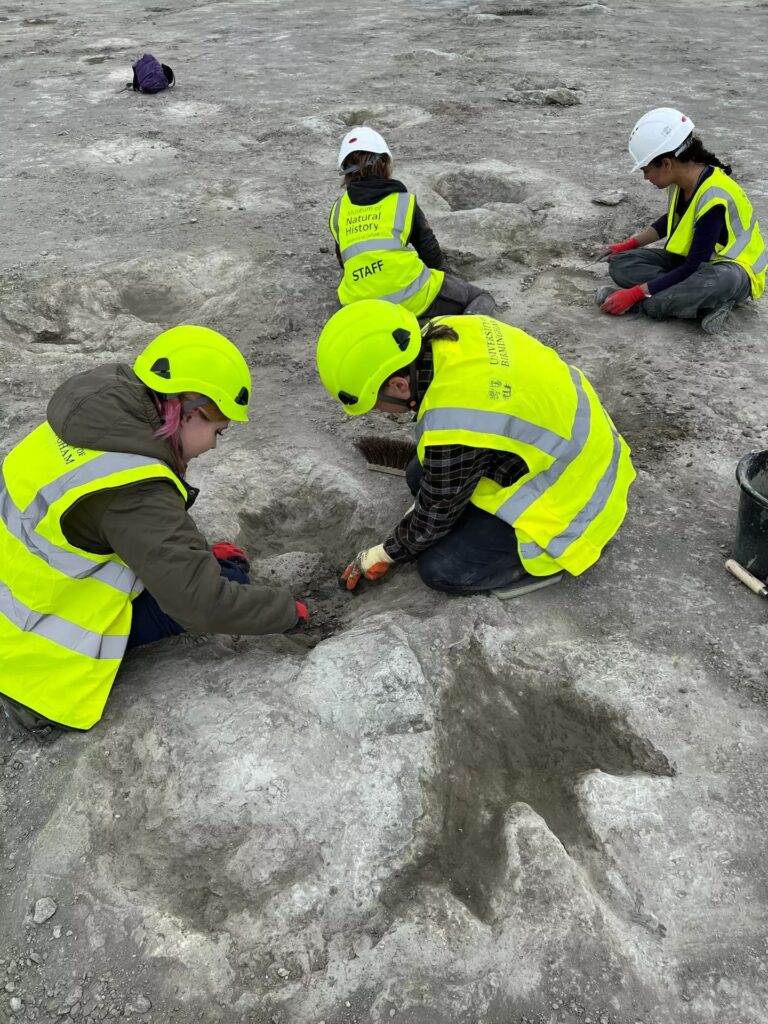
Following the initial find, a massive excavation effort was launched in June, involving more than 100 researchers and volunteers. The team ultimately uncovered nearly 200 dinosaur footprints, forming what scientists are now calling a prehistoric “dinosaur highway.”
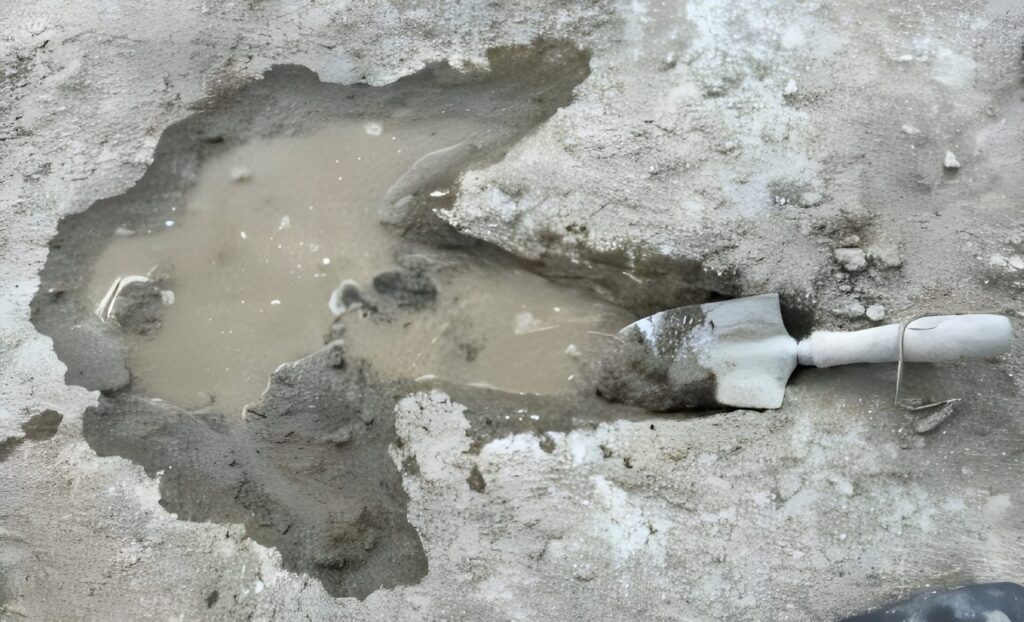
The site expands on decades of paleontological research in the region and significantly enhances scientific understanding of dinosaur movement, behavior, and environment during the Middle Jurassic era.
“These footprints offer an extraordinary window into the lives of dinosaurs,” said Professor Kirsty Edgar, a micropaleontologist at the University of Birmingham. “They reveal details about how these animals moved, interacted, and lived within a tropical landscape.”
Giants and Predators Walked Side by Side
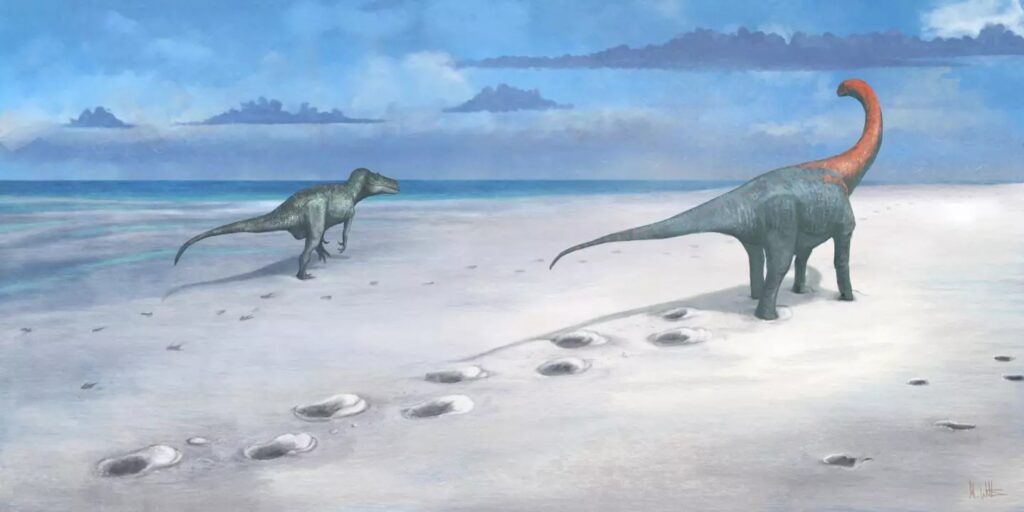
Four of the trackways were left by massive, long-necked herbivores known as sauropods, most likely Cetiosaurus—a dinosaur that could grow up to 60 feet (18 meters) long. These enormous plant-eaters appear to have traveled along defined paths, suggesting repeated movement through the same muddy terrain.
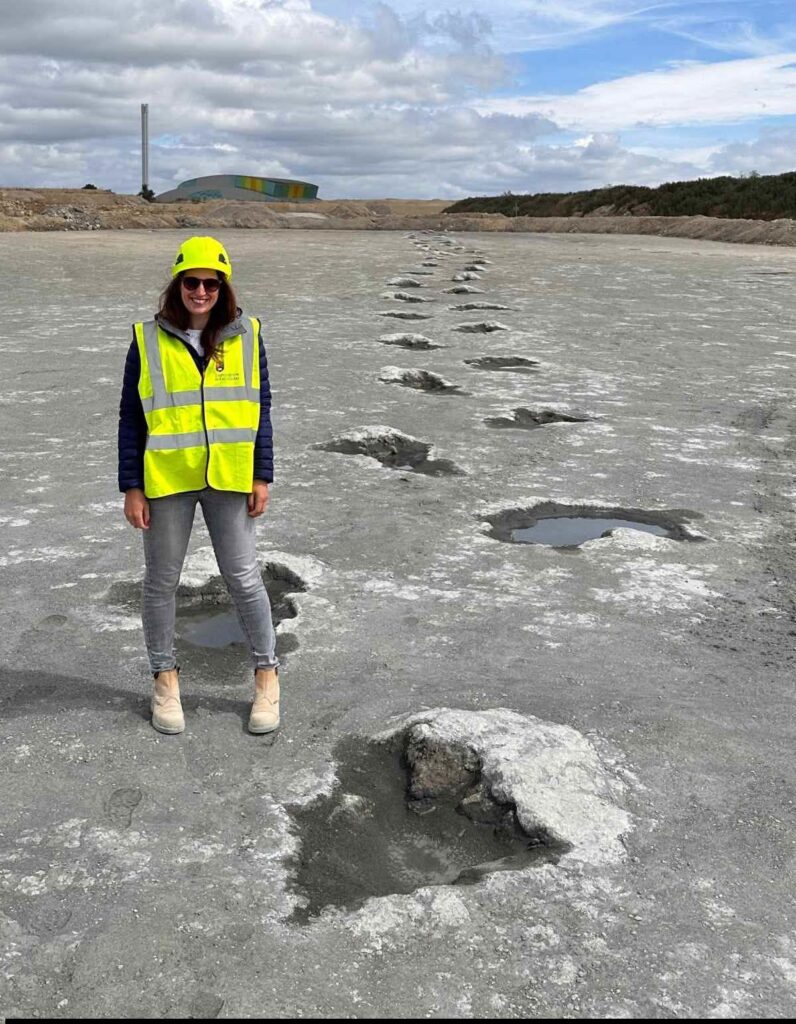
A fifth set of tracks belonged to Megalosaurus, a formidable 9-meter carnivore distinguished by its unmistakable three-clawed footprints. Megalosaurus holds special historical significance, as it was the first dinosaur ever scientifically named, nearly 200 years ago.
One particularly intriguing area of the site shows trackways crossing—raising questions about whether herbivores and predators may have encountered each other in this ancient landscape.
“Scientists have studied Megalosaurus longer than any other dinosaur,” said Emma Nicholls, vertebrate paleontologist at the Oxford University Museum of Natural History. “Yet these discoveries prove there is still new evidence waiting to be found.”
A Technological Leap in Dinosaur Research
The Oxfordshire region is no stranger to fossil footprints. Nearly 30 years ago, about 40 trackways discovered nearby were considered among the world’s most important dinosaur track sites. However, that earlier site is now largely inaccessible—and poorly documented by modern standards.
This time, technology changed everything.
The 2024 excavation team captured over 20,000 high-resolution digital images and used drones and photogrammetry to create detailed 3-D models of the tracks. This digital archive will allow scientists to study dinosaur size, walking patterns, gait, and speed with unprecedented precision.
“The preservation is so detailed that we can see how the mud deformed as the dinosaurs’ feet squelched in and out,” explained Duncan Murdock, earth scientist at the Oxford museum. “Combined with burrows, shells, and plant fossils, we can reconstruct the muddy lagoon environment these animals once walked through.”
Bringing the Jurassic to the Public
The findings will soon be shared beyond the scientific community. The trackways will feature in a new museum exhibition, and the discovery will be showcased on the BBC’s “Digging for Britain” program, introducing the public to one of Britain’s most remarkable paleontological revelations.
Why This Discovery Matters
Footprint sites like this are rare. Unlike bones, which tell us what dinosaurs looked like, tracks reveal how they lived—how they moved, how fast they traveled, and how they may have interacted with one another and their environment.
This “dinosaur highway” does more than preserve ancient footsteps. It captures a living moment in deep time, frozen in stone, reminding us how much of Earth’s story still lies hidden beneath familiar ground.
Leave a Reply