

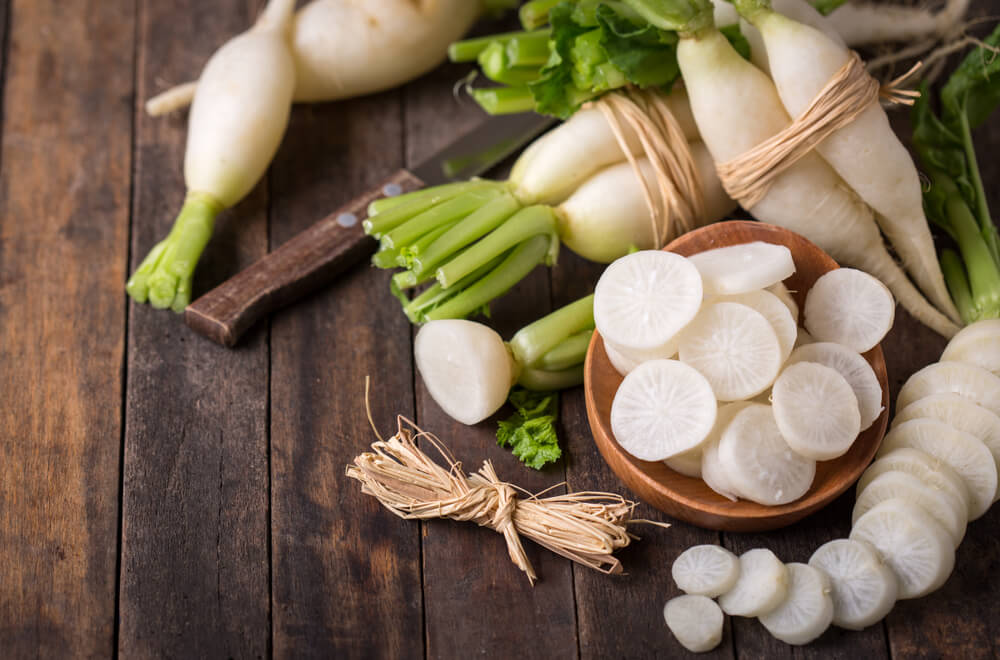
White radish — better known as daikon — is a staple in many Asian cuisines and has steadily gained global popularity for its crisp texture, mild peppery bite, and impressive health profile. It’s eaten raw in salads, pickled as a condiment, simmered in soups, or cooked alongside meats and vegetables.
But beyond its refreshing taste, doctors and nutrition experts say daikon can have noticeable effects on the body — both positive and negative — depending on how it’s consumed, how much you eat, and your individual health.
A Nutrient-Dense, Low-Calorie Vegetable
White radish is remarkably low in calories while being rich in essential nutrients. A single serving provides vitamin C, potassium, folate, dietary fiber, and trace amounts of calcium and magnesium. It also contains natural plant enzymes and antioxidants that support cellular health.
Because daikon is made up of roughly 90–95% water, it helps with hydration and promotes a feeling of fullness, making it a common choice in weight management and detox-style diets.
Powerful Benefits for Digestion
One of daikon’s most recognized benefits is its digestive support. The vegetable contains enzymes such as amylase and diastase, which assist the body in breaking down carbohydrates and easing digestive workload.

In moderate amounts, white radish may:
- Reduce bloating and gas
- Improve bowel regularity
- Relieve mild constipation
- Support fat digestion after heavy meals
This is why, in traditional cuisines, daikon is often served alongside fried or oily foods — it helps the stomach process them more efficiently.
Immune System and Anti-Inflammatory Support
Daikon is a solid source of vitamin C, a nutrient essential for immune defense, tissue repair, and protection against oxidative stress. Regular intake may help the body fight off seasonal infections and support faster recovery from minor illnesses.
In many cultures, radish-based soups are traditionally consumed during colder months to help strengthen the immune system and support respiratory health.
Heart Health and Metabolic Benefits
The potassium in white radish helps regulate blood pressure by counteracting excess sodium in the body. Its fiber content may also aid in cholesterol management by reducing fat absorption in the digestive tract.
For people monitoring blood sugar or weight, daikon is especially useful:
- Low in carbohydrates
- Low glycemic impact
- Does not cause sharp blood sugar spikes
This makes it a smart addition for individuals managing metabolic health.
When White Radish Can Cause Problems
Despite its benefits, doctors warn that overconsumption — especially raw — can lead to unwanted side effects for some people.
Digestive irritation:
Eating large amounts may cause stomach pain, gas, or diarrhea, particularly in people with sensitive digestion.
Thyroid concerns:
Like other cruciferous vegetables, white radish contains compounds that may interfere with iodine absorption when eaten excessively and raw. People with hypothyroidism or iodine deficiency should be cautious.
Cold sensitivity:
In traditional medicine systems, daikon is considered a “cooling” food. Consuming it in large quantities — especially in cold weather or on an empty stomach — may worsen fatigue, abdominal chill, or cold extremities in some individuals.

Cooking daikon significantly reduces these effects and makes it easier on the digestive system.
Who Should Limit or Avoid Raw Daikon?
Doctors recommend moderation for:
- People with chronic digestive issues
- Individuals prone to diarrhea or bloating
- Those with thyroid disorders
- Anyone with low tolerance to raw cruciferous vegetables
For most healthy adults, however, moderate consumption is both safe and beneficial.
The Bottom Line
White radish is a nutrient-rich, low-calorie vegetable that can support digestion, immunity, heart health, and metabolic balance when eaten wisely. Like many natural foods, its effects depend on portion size, preparation, and individual health conditions.
Enjoyed raw in moderation or cooked for gentler digestion, daikon can be a valuable addition to a balanced diet — offering health benefits without excess calories. As always, listening to your body is the key to turning food into medicine rather than discomfort.
Leave a Reply