
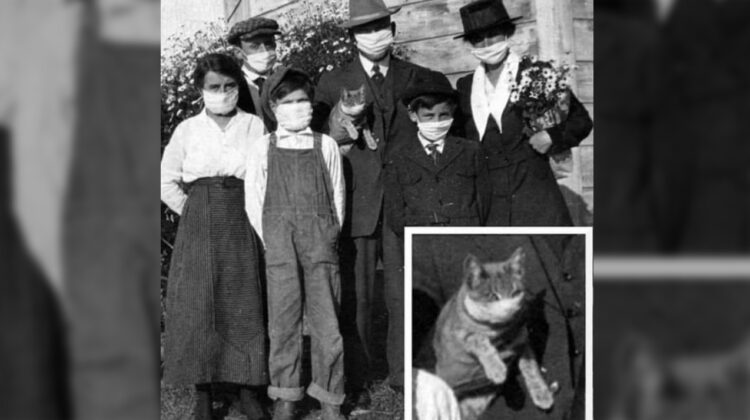
During the 1918 Influenza Pandemic, face masks became a common sight across parts of the United States.
But in some cases, precautions extended beyond people.
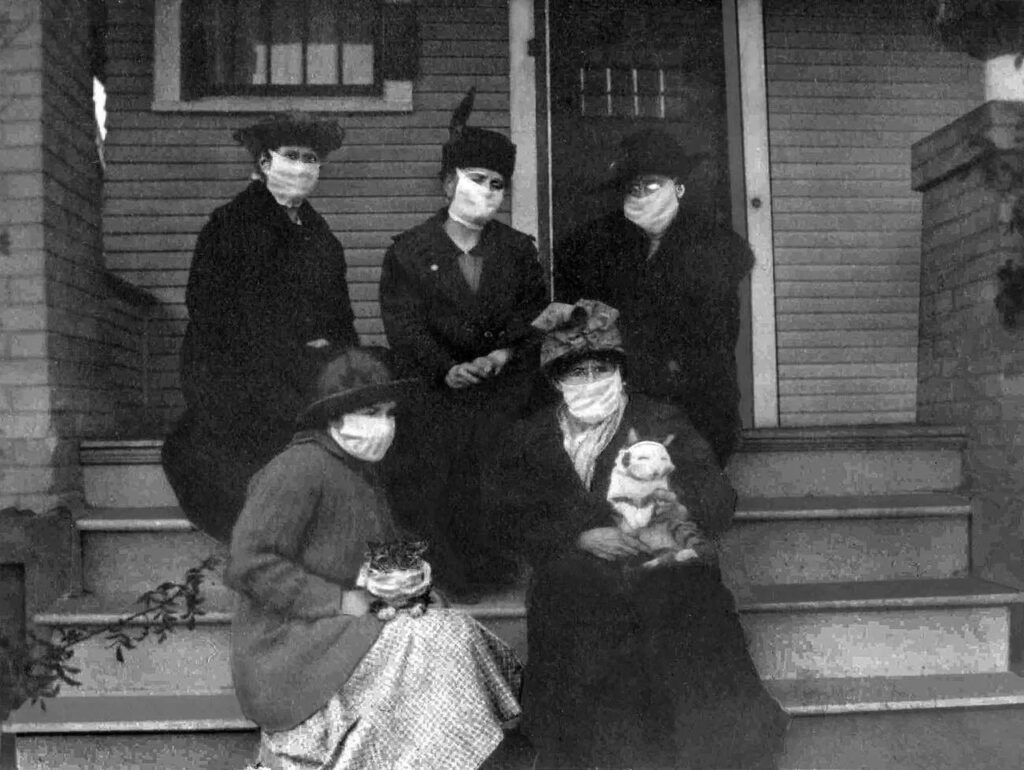
Photographs and newspaper reports from the time show that some pet owners also placed masks on their animals — including cats and dogs — reflecting both fear and uncertainty during one of the deadliest health crises in modern history.
Fear and confusion
At the height of the pandemic, knowledge about how the virus spread was limited.
Public health debates were often intense. Figures such as Woods Hutchinson advocated mask-wearing as a key measure, while opposing strict quarantines.
In cities on the US West Coast, mask use became mandatory in public spaces. Historical images show crowds moving through streets with gauze coverings tied around their faces.
Pets caught in the panic
Amid growing concern, some people began to worry that animals might also contribute to the spread of disease.
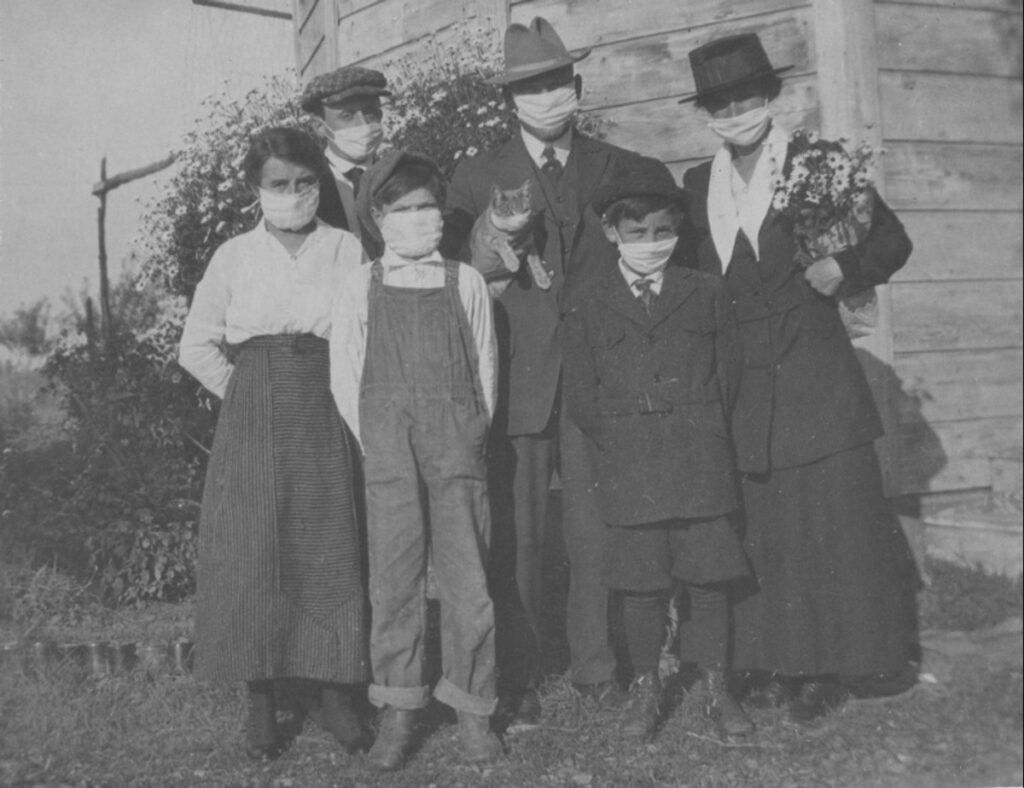
In rare and unusual cases, pet owners placed masks on their cats — an act that appears both precautionary and symbolic.
One photograph from California shows a masked family posing with their cat, also fitted with a small gauze covering. Other images from the period feature masked dogs, including one that made headlines in Seattle.
Between science and speculation
At the time, rumours circulated that domestic animals could transmit the illness.
In some areas, these fears led to extreme responses, including the killing of stray animals.
Modern understanding suggests that while certain influenza viruses can move between species, transmission from pets to humans is rare.
Moments of humour in crisis
Historians suggest that not all such images were driven purely by fear.
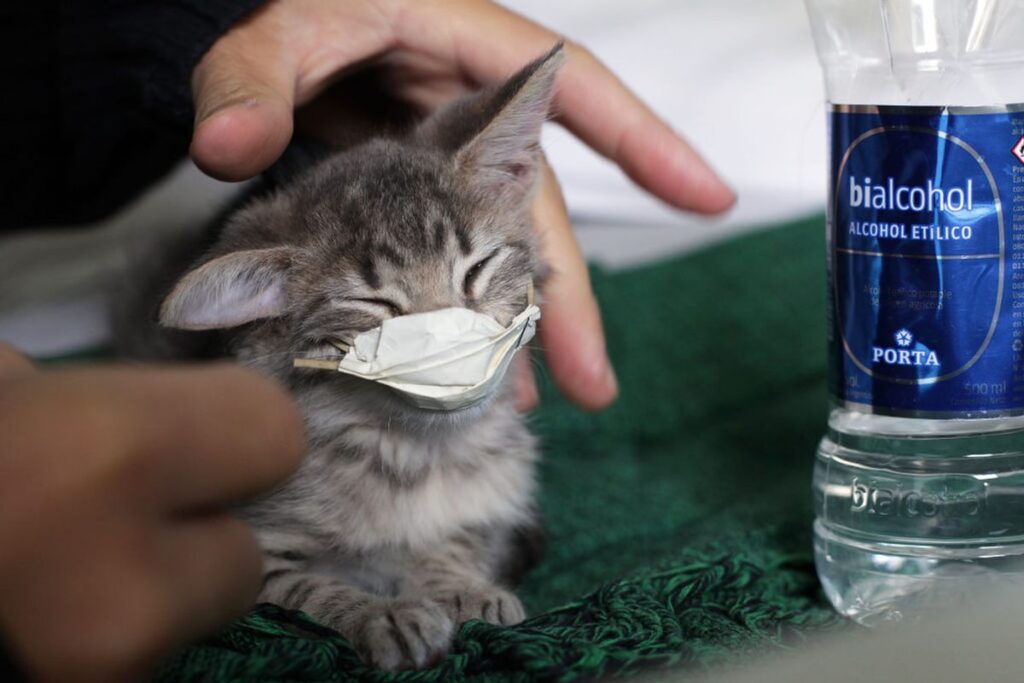
Some may have been intended as light-hearted attempts to cope with the stress of the pandemic — capturing moments of humour during a period marked by widespread illness and loss.
Photographs of masked pets, while unusual, offer insight into how people responded emotionally to uncertainty and risk.
The images of masked pets serve as a reminder of how societies react in times of crisis — balancing fear, misunderstanding and resilience. While science has since advanced, the human instinct to protect loved ones, even in unconventional ways, remains unchanged. These snapshots from 1918 reveal not just a public health emergency, but a deeply human story of anxiety, adaptation and the search for reassurance in uncertain times.
Leave a Reply