
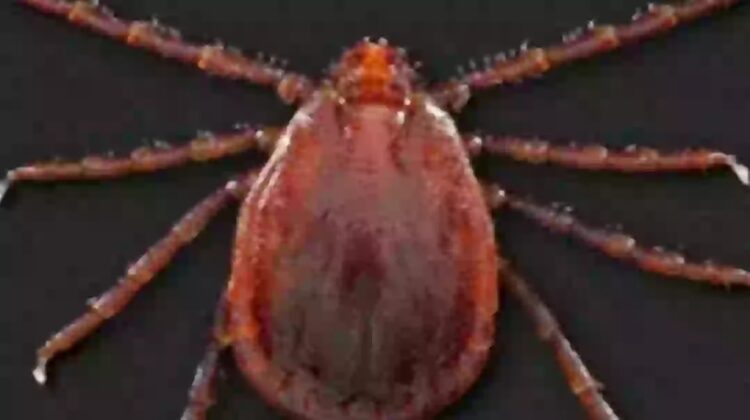
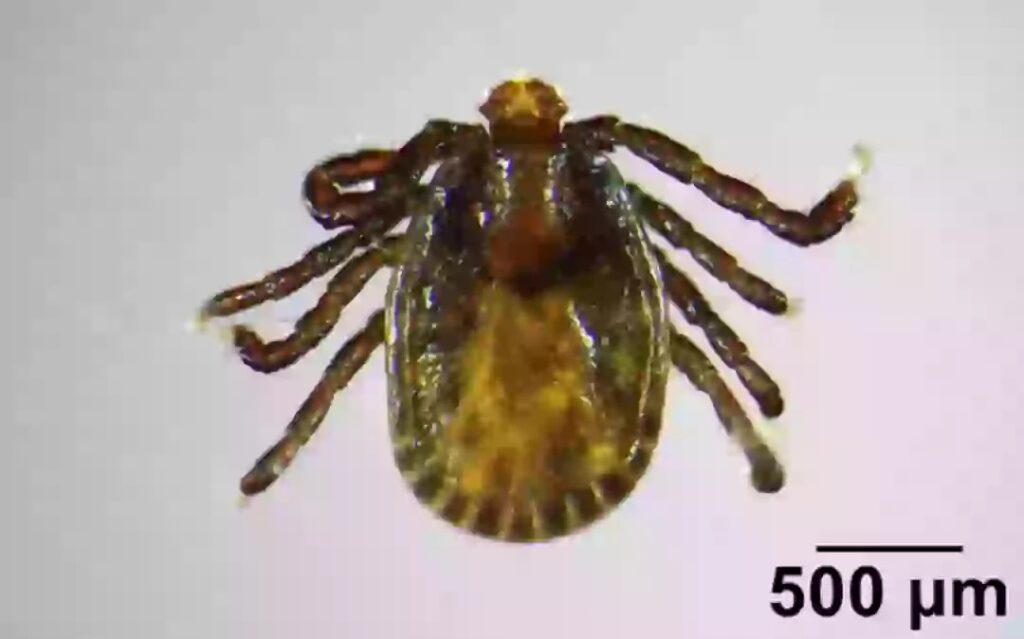
A dangerous invasive species, the Asian longhorned tick, is rapidly spreading across the United States, prompting health experts to issue an urgent warning.
Originally from East Asia, the tick was first detected in New Jersey in 2017 and has now been reported in over 20 states, reaching as far northeast as Maine. Researchers at the University of Maine confirmed the presence of this species in July 2025, raising concerns over its potential to spread life-threatening diseases.
What Makes This Tick Dangerous?
Asian longhorned ticks are known carriers of multiple serious illnesses:
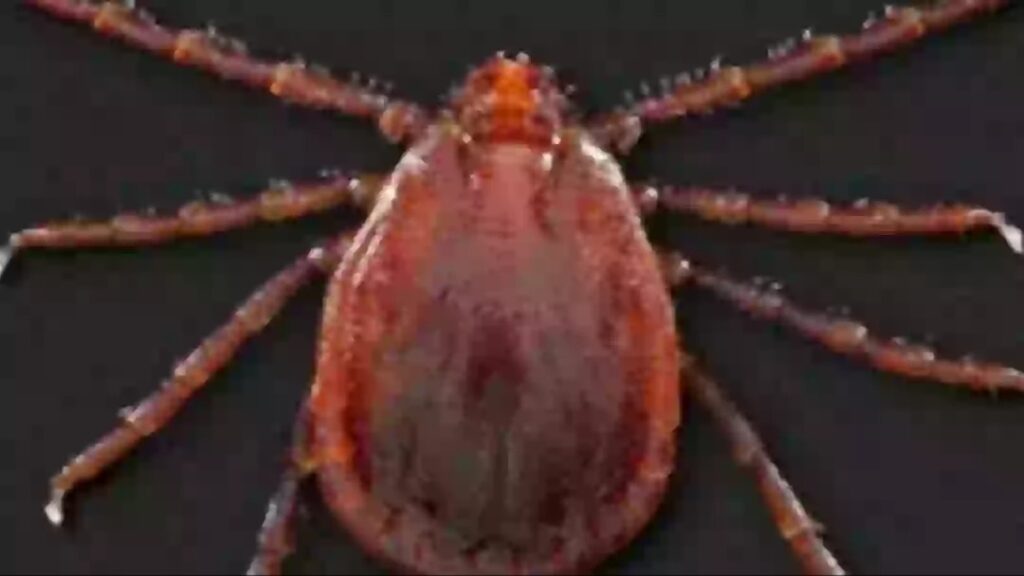
- Severe Fever with Thrombocytopenia Syndrome (SFTS):
Causes high fever, abdominal pain, vomiting, and diarrhea; may lead to kidney failure, hemorrhaging, and multi-organ damage. - Ehrlichiosis:
Begins with flu-like symptoms, but if untreated, hospitalization rates are high—60% of patients are hospitalized, and it’s fatal in 1 out of every 100 cases.
Even more alarming, this species reproduces rapidly and can infest large areas, posing risks to pets, livestock, and humans.
The Spread and Impact of Climate Change
Tick surveillance experts like Griffin Dill (University of Maine) and Goudarz Molaei (Connecticut Agricultural Experiment Station) warn that climate change is fueling the tick’s spread.
“Climate change will almost eliminate winter in our region,” Molaei said. “This tick, like others, will be active year-round.”
As winters become milder, ticks are expanding into new territories, and predicting their spread has become more difficult.
CDC Findings
The Centers for Disease Control and Prevention (CDC) reports a surge in emergency room visits due to tick bites—July 2025 saw the highest number of ER cases for tick bites in the last eight years.
How to Protect Yourself
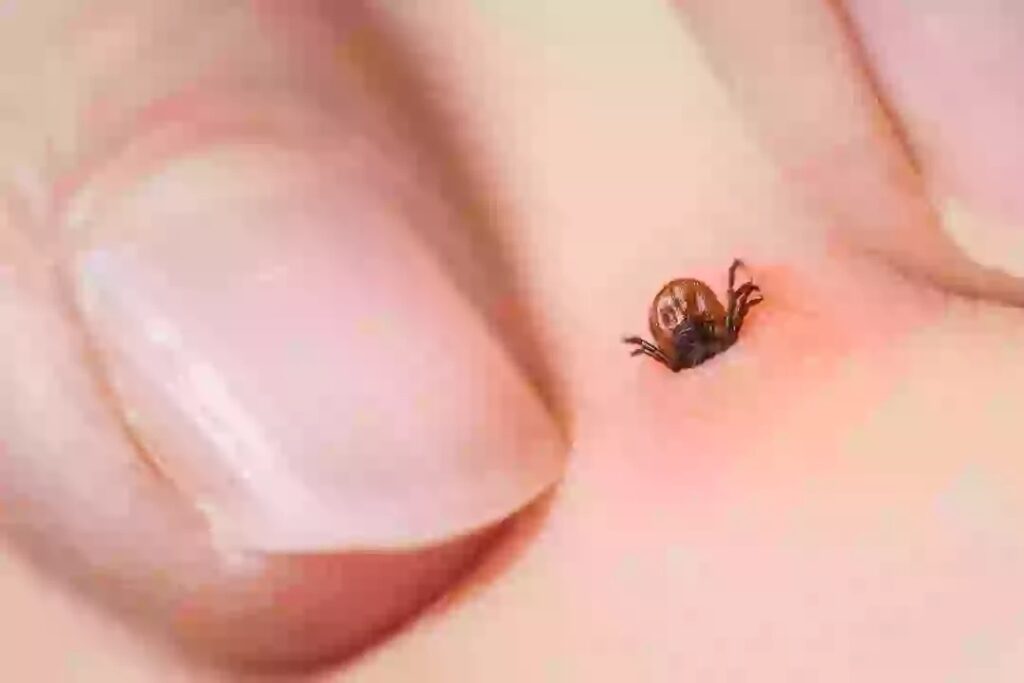
Experts recommend these safety measures:
- Avoid grassy, brushy, and wooded areas where ticks thrive.
- Use EPA-approved insect repellents containing DEET, picaridin, IR3535, oil of lemon eucalyptus, PMD, or 2-undecanone.
- Treat clothing and gear with 0.5% permethrin.
- Regularly check yourself, pets, and gear for ticks after outdoor activities.
If you encounter animals with unusual blue-tinted tissue (a sign of rodenticide ingestion from pest control), or ticks that appear unusual, contact your local Wildlife Health Lab.
Why This Matters
The spread of the Asian longhorned tick underscores the growing health risks associated with invasive species and climate change. With its ability to transmit deadly diseases and thrive in diverse environments, experts stress the importance of awareness, prevention, and continued tick surveillance.
Leave a Reply