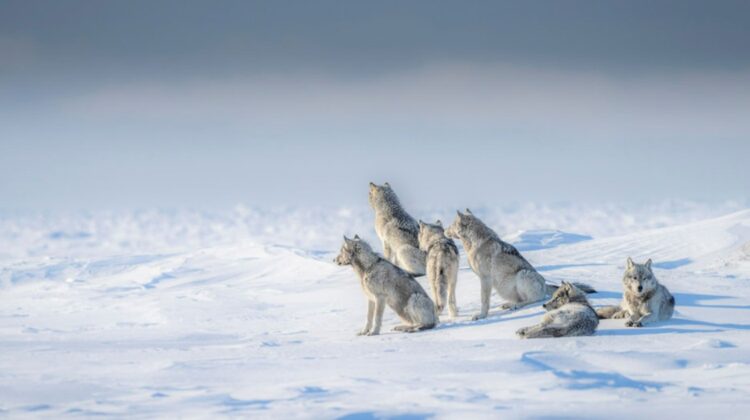
Wolves, majestic creatures of the wild, are known for their remarkable social behavior. They live, hunt, raise their young, and spend the majority of their lives in packs, forming strong and intricate bonds with their fellow pack members. In the intricate tapestry of the animal kingdom, wolves stand out as highly social animals.
But what happens when one of these sociable creatures decides to venture out on its own for a period, only to reunite with its pack later? To gain insight into this fascinating phenomenon, let’s delve into the world of wolves and their tightly-knit communities.
In a captivating video captured by jaddavenport at the Nanuk Polar Bear Lodge, we are offered a glimpse into the intriguing dynamics that come into play when a lone wolf returns to its pack.
Wolves are, by nature, pack animals. Their existence is deeply intertwined with the harmony and structure of the group. Packs are not just functional units for hunting and survival; they are also families, where bonds are forged through shared experiences, communication, and cooperation.
However, there are instances when a wolf may temporarily depart from the pack. This departure can occur for various reasons, including the quest for food, exploration, or even dispersal to establish new territories. During this solitary sojourn, the lone wolf must fend for itself, relying on its individual skills to navigate the challenges of the wild.
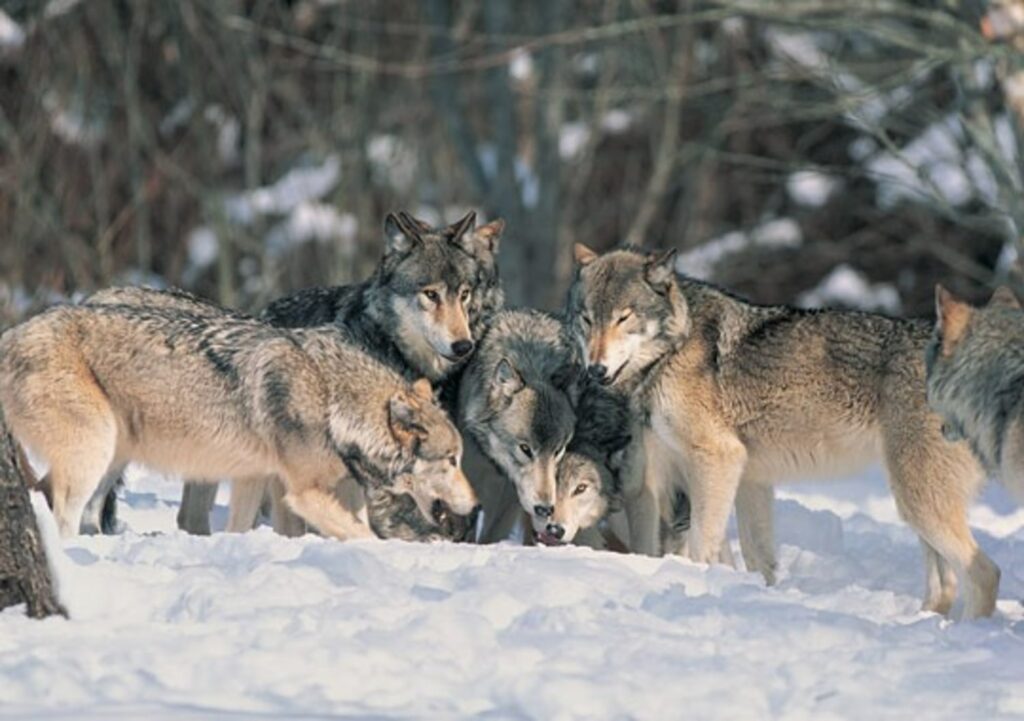
Yet, the call of the pack is powerful, and the solitary wolf often feels the magnetic pull of its pack, drawing it back to the fold. The reunion that follows is a momentous event, as captured in the video.
The video showcases the lone wolf’s return to the pack, a moment filled with anticipation and intrigue. As the lone wolf approaches, the pack members seem to recognize the prodigal member, displaying a mixture of curiosity and caution. Social hierarchy and established bonds within the pack come into play, as the returning wolf must reintegrate into the group.
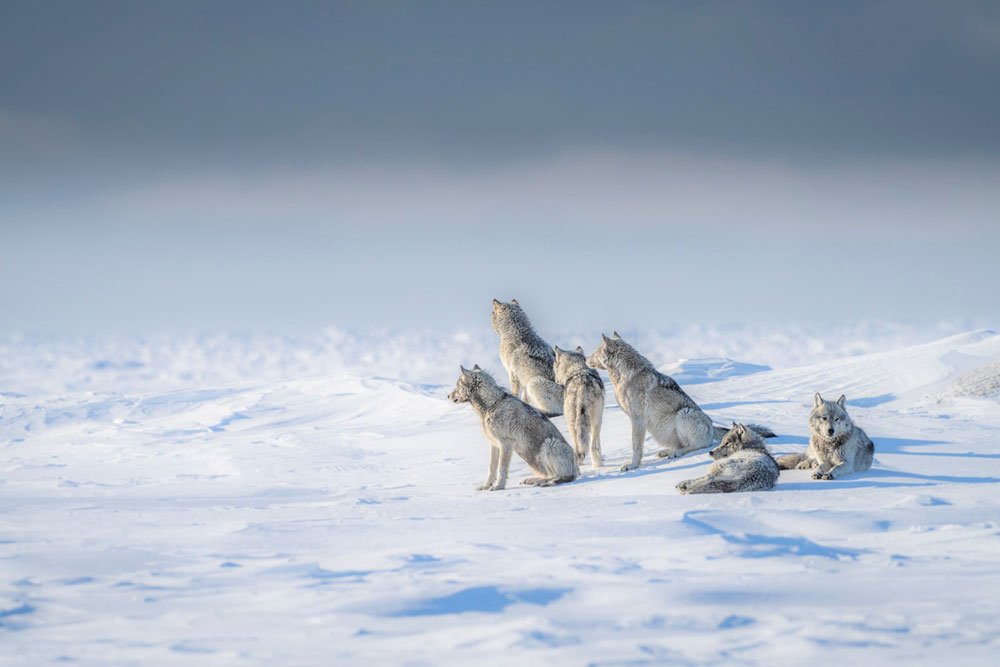
In this process of reunion, communication is key. Wolves use a complex system of vocalizations, body language, and scent marking to convey their intentions and emotions. The returning wolf must navigate this intricate web of signals to reintegrate seamlessly into the pack’s social fabric.
The video captures moments of interaction, as the lone wolf approaches other pack members and engages in what appears to be a delicate dance of reconciliation. The body language and vocal exchanges are fascinating to observe, as they reflect the dynamics of acceptance, acknowledgment, and, ultimately, reintegration.
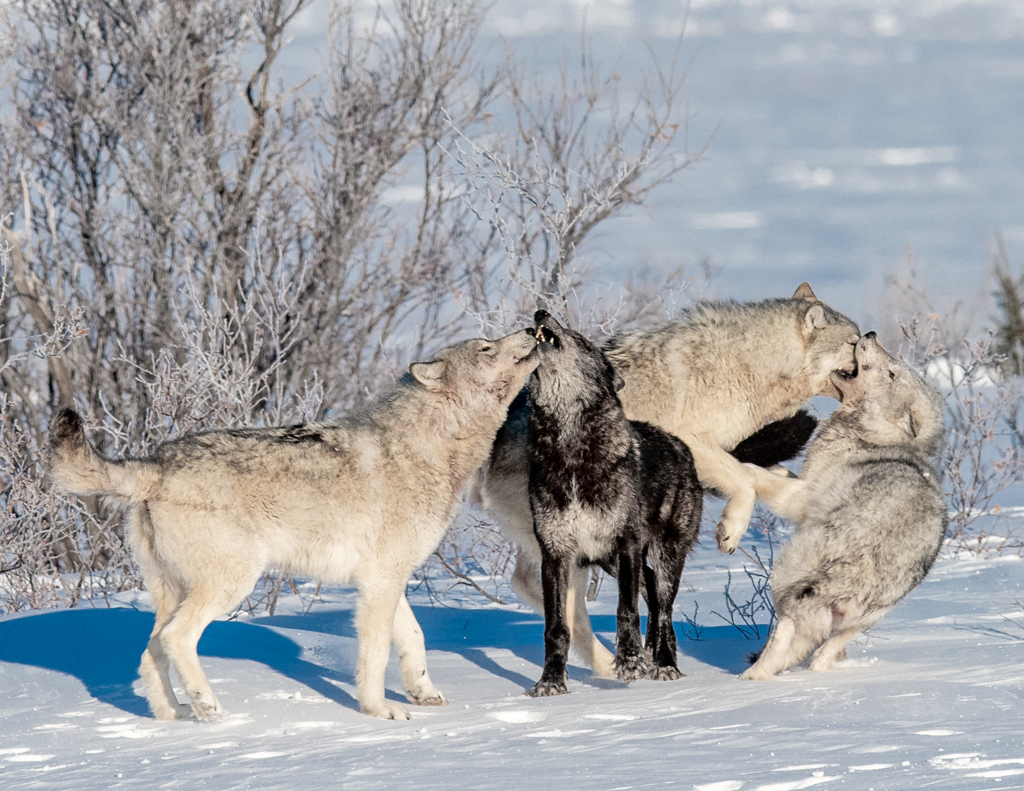
This remarkable footage reminds us of the deep social bonds that define the lives of wolves. It highlights the complexity of their interactions and the significance of the pack in their existence. Wolves are not solitary beings by nature; they are creatures of community, where belonging to a pack is not just a matter of survival but a profound expression of their social nature.
In conclusion, the video offers a glimpse into the intricate world of wolves and their social dynamics. It reminds us that, in the realm of the wild, the bonds of family and community are as vital as the instinct for survival. Wolves are not merely hunters of the wilderness; they are also guardians of the profound connections that define their existence.
Leave a Reply