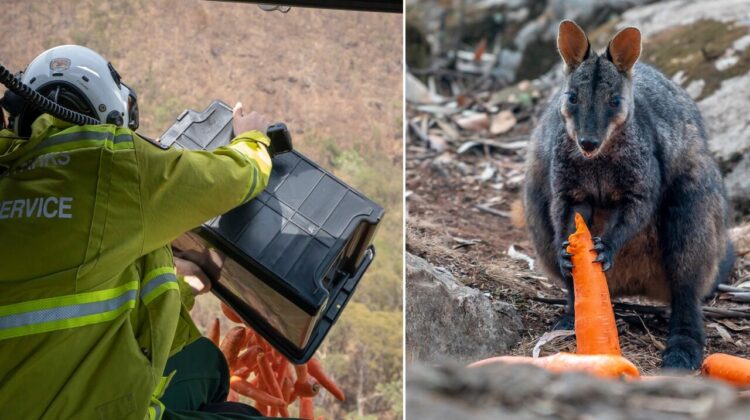
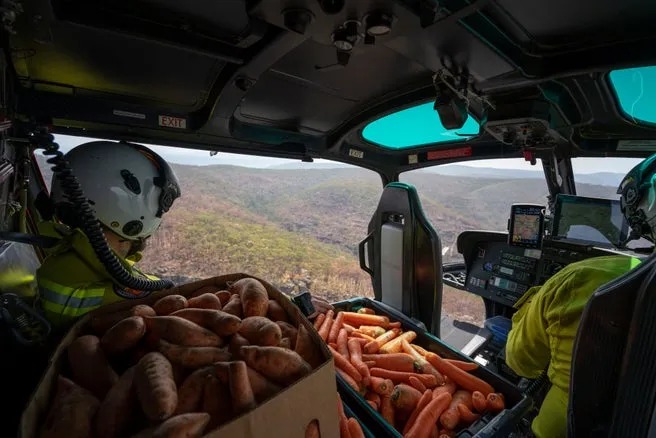
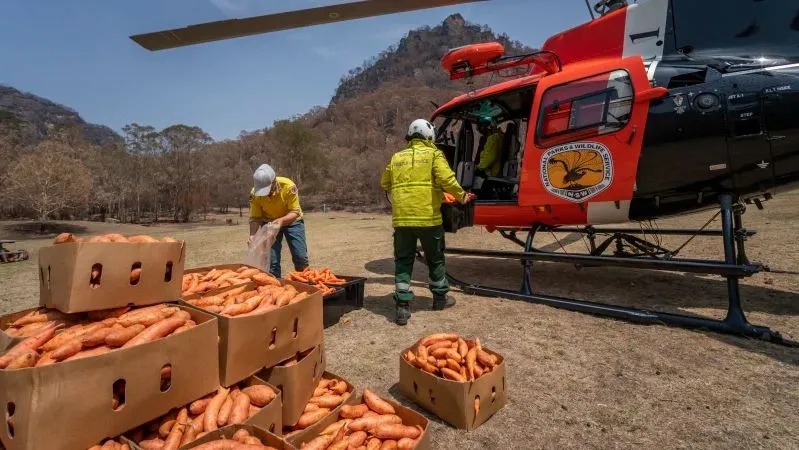
In the aftermath of Australia’s devastating bushfires, an extraordinary rescue effort unfolded in the skies. Helicopters were deployed to drop tonnes of carrots and sweet potatoes across scorched landscapes, providing a vital lifeline to starving wildlife left stranded by the destruction.
The operation, led by authorities in New South Wales, was officially named Operation Rock Wallaby. Its primary aim was to support colonies of the brush-tailed rock-wallaby, a species already classified as endangered before the fires due to long-term habitat loss.
A survival crisis after the flames
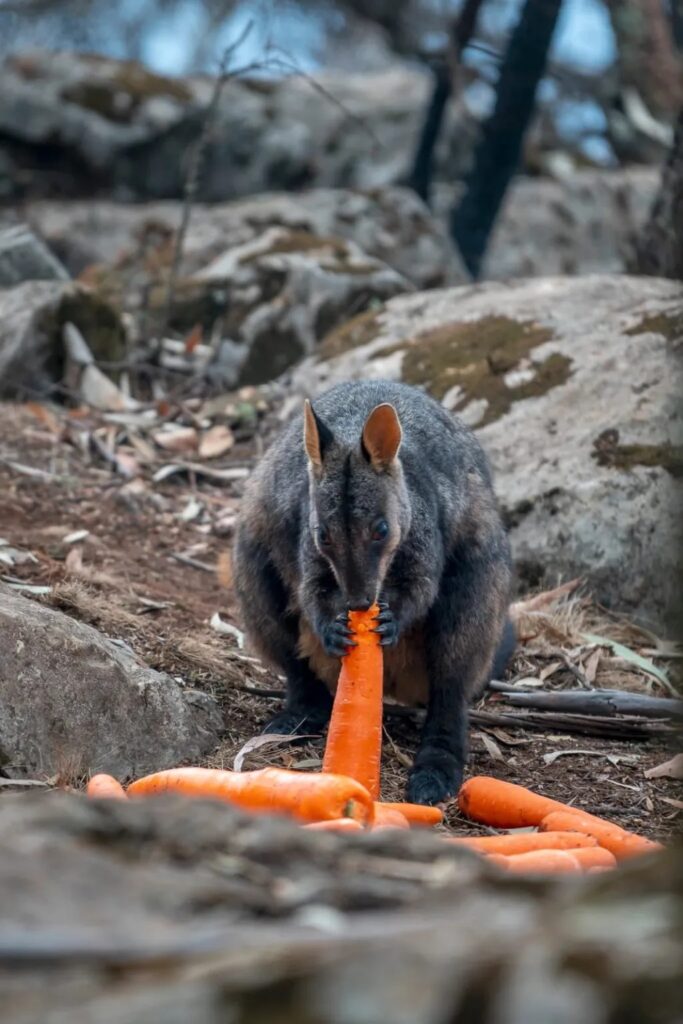
While many animals managed to escape the immediate danger of the fires, survival did not end there. The destruction of vegetation left vast areas barren, stripping animals of their natural food sources.
Environment officials explained that rock-wallabies typically survive bushfires by sheltering in rocky habitats. However, once the fires pass, they are often left isolated with little to eat.
New South Wales Environment Minister Matt Kean said the animals were already weakened by prolonged drought before the fires began, making the situation even more critical.
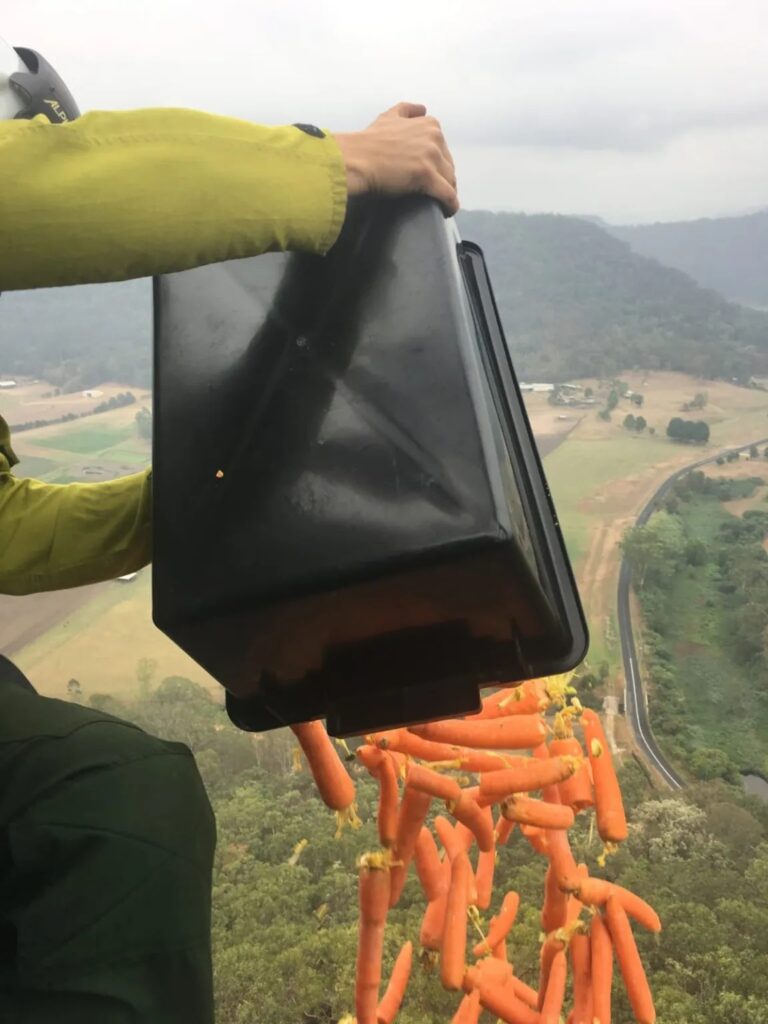
“The wallabies typically survive the fire itself, but are then left stranded with limited natural food,” he said. “Without assistance, their chances of survival are significantly reduced.”
Scale of the ecological impact
The wider impact of the bushfires has been described as catastrophic. According to the World Wide Fund for Nature, an estimated 1.25 billion animals were killed or displaced across Australia.
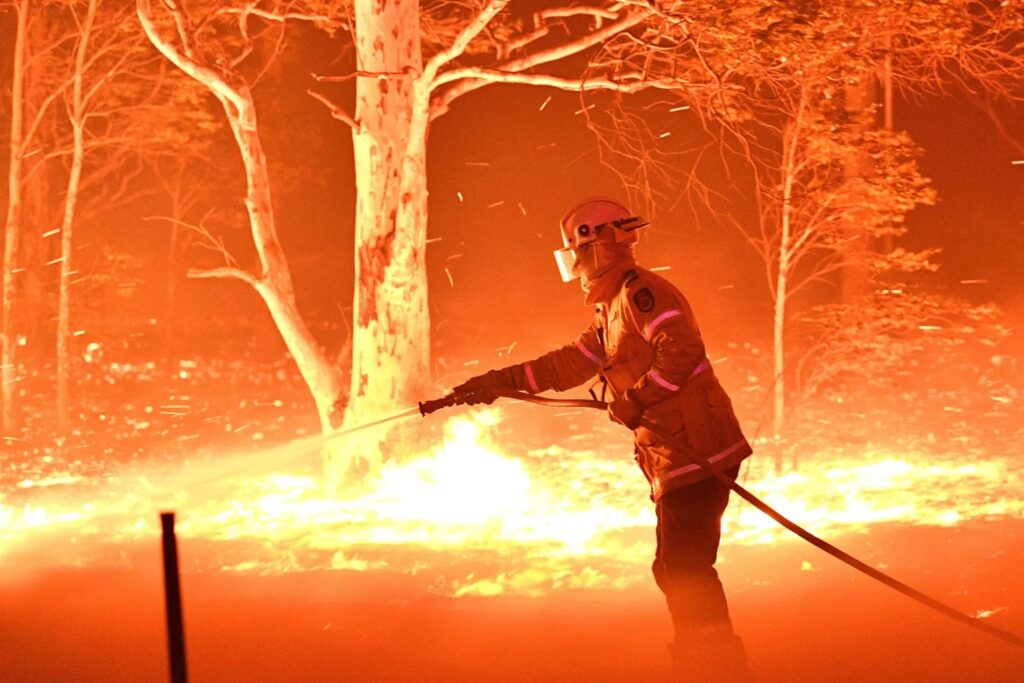
Species affected include koalas, kangaroos, gliders, cockatoos, and many small mammals and birds. In some regions, entire populations were pushed to the brink.
On Kangaroo Island, fires destroyed more than 215,000 hectares of land and are believed to have killed around 30,000 koalas. Conservationists have also raised concerns about unique species such as the dunnart and the glossy black cockatoo, which face heightened risks of extinction.
The crisis has led some experts to describe certain koala populations as “functionally extinct” in heavily affected areas, following the loss of large portions of their habitat.
Emergency response and recovery efforts
The aerial food drops are part of a broader recovery strategy aimed at stabilising wildlife populations until ecosystems can begin to regenerate.
Across the country, rescue teams and conservation groups are working to treat injured animals, relocate survivors, and restore damaged habitats. Wildlife hospitals, including those linked to Australia Zoo, have taken in thousands of affected animals.
Despite some temporary relief from cooler weather conditions, officials warn that the crisis is far from over. Andrew Crisp said recovery would take months, with further fire risks still possible.
Human and environmental toll
The bushfires have not only devastated wildlife but also impacted human communities. Dozens of people lost their lives, while thousands of homes, farms, and livelihoods were destroyed.
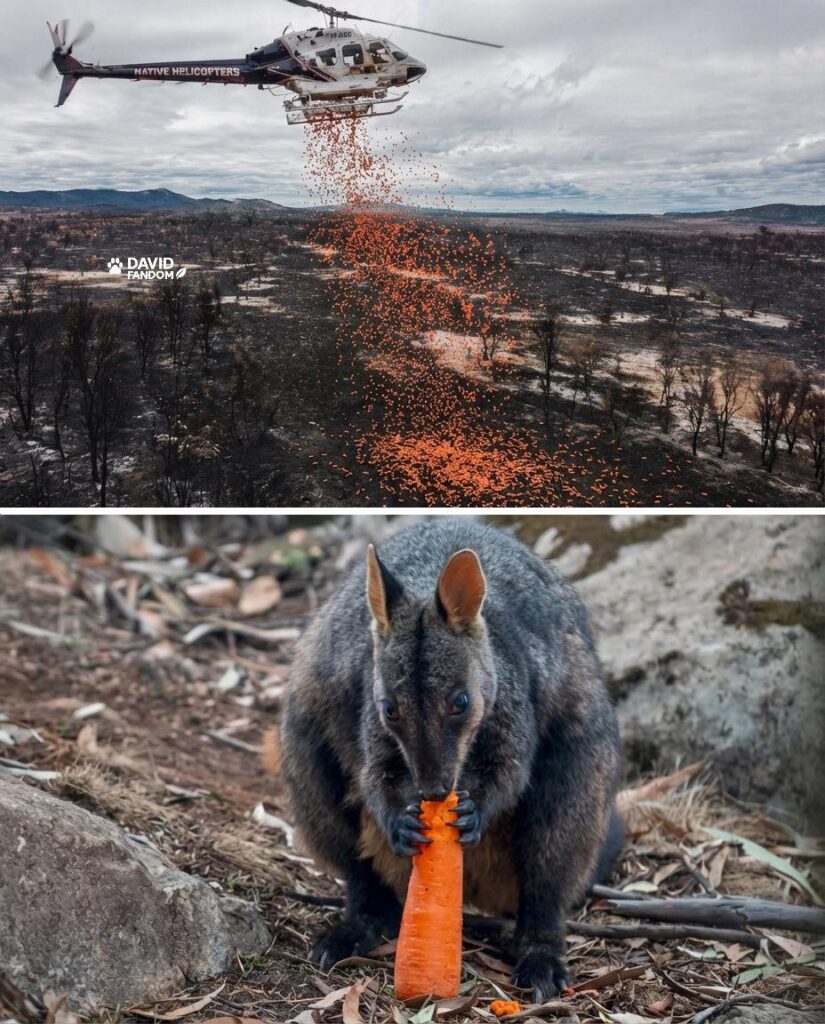
Images from the disaster have shown burned forests, fallen wildlife, and entire ecosystems reduced to ash—highlighting the scale of one of the worst environmental crises in Australia’s history.
As climate-driven disasters become more frequent and severe, emergency responses like aerial wildlife feeding highlight the urgent need for scalable conservation strategies. From rapid-response interventions to long-term ecosystem restoration, global investment in biodiversity protection and climate resilience is essential—not only to save endangered species, but to preserve the environmental systems that sustain life on Earth.
Leave a Reply