
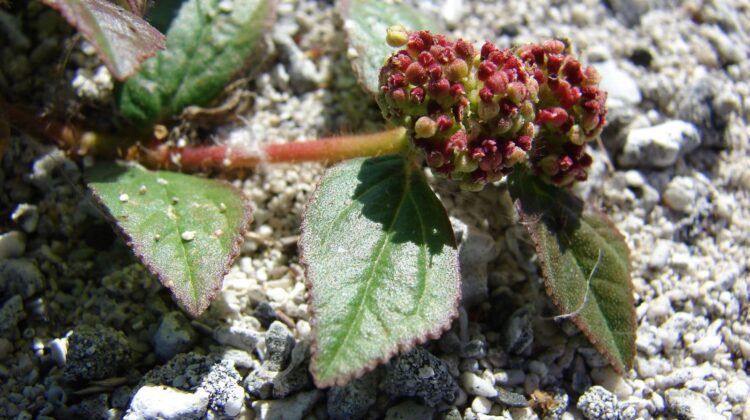
In many parts of the world, Euphorbia hirta grows quietly along roadsides, gardens, and open fields. Often dismissed as a weed, this modest plant has been used for generations in traditional medicine systems across Asia, Africa, and Australia. Despite its unassuming appearance, Euphorbia hirta contains a complex profile of bioactive compounds that have made it an important herbal remedy for centuries.
Getting to Know Euphorbia Hirta
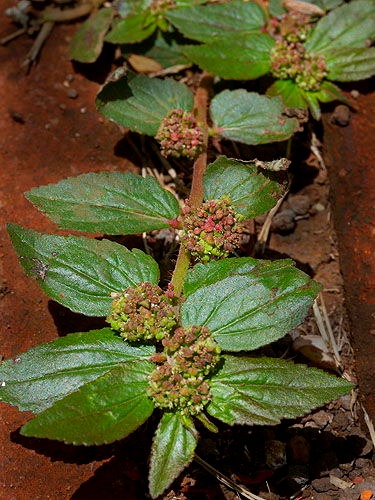
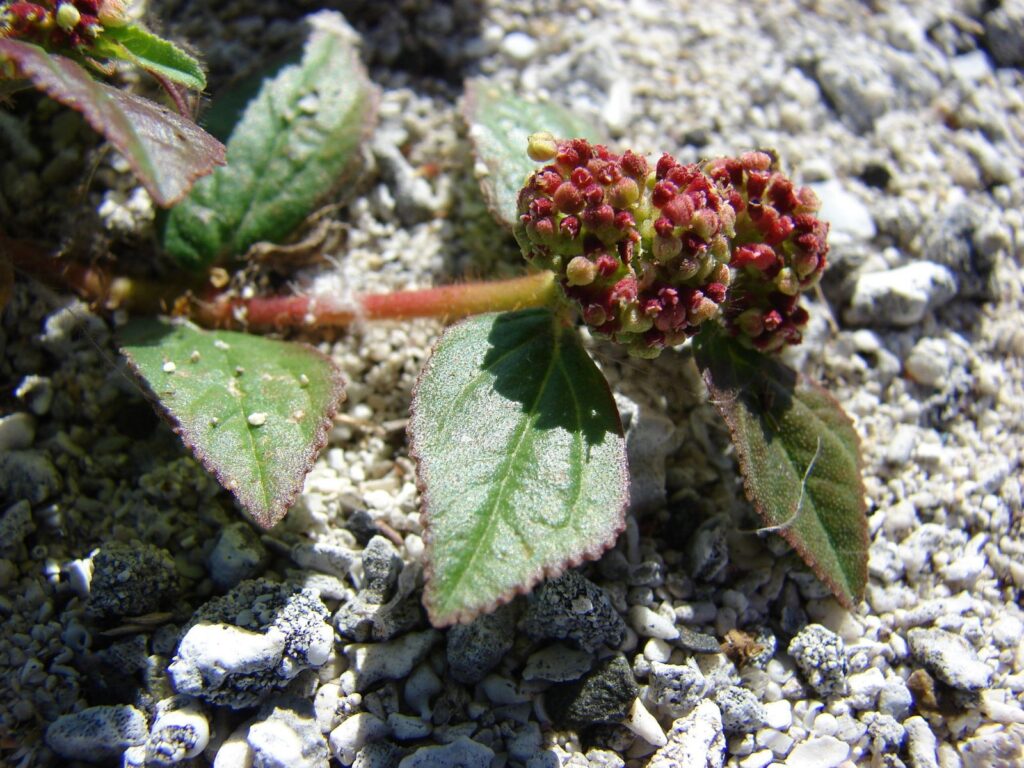
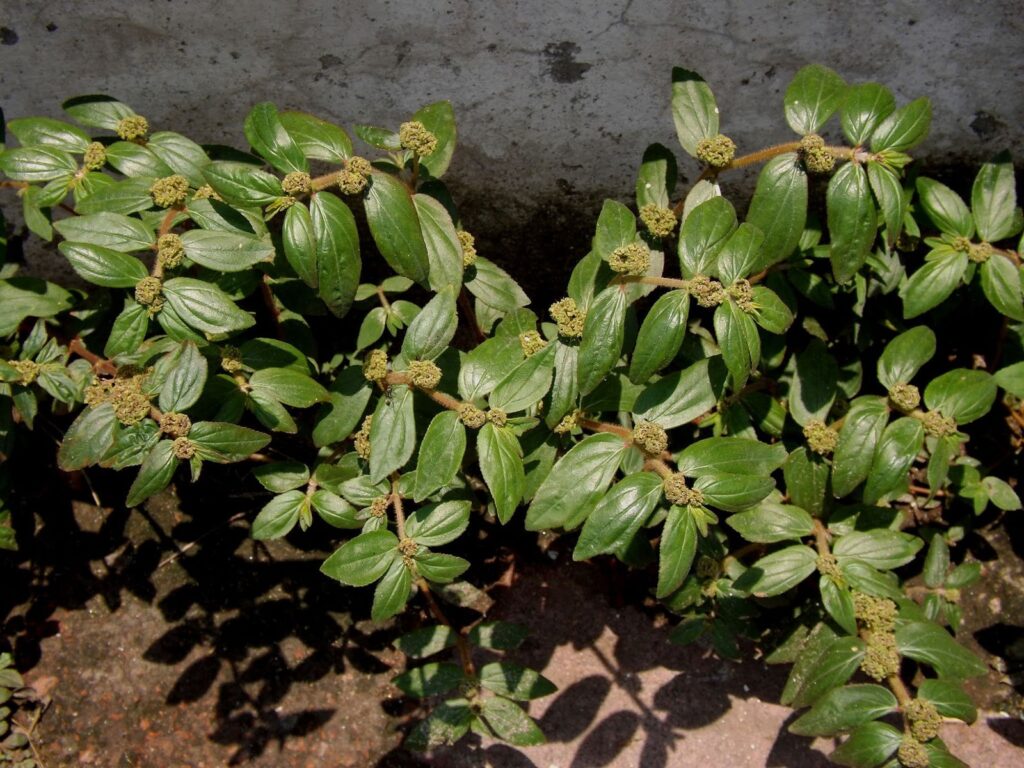
Euphorbia hirta is a low-growing annual herb easily recognized by its hairy stems, small oval leaves, and tiny clustered flowers. It thrives in warm climates and adapts easily to disturbed soil, which is why it appears so frequently in everyday surroundings.
Scientific name: Euphorbia hirta
Common names: Asthma weed, Snake plant, Dugadhika, Australian asthma herb
Plant family: Euphorbiaceae
Native range: Tropical and subtropical regions worldwide
Its traditional value lies in its rich content of flavonoids, tannins, phenolic compounds, and alkaloids—substances long associated with anti-inflammatory and antimicrobial activity.
Supporting Respiratory Comfort
Euphorbia hirta is most widely known for its traditional use in respiratory care. For this reason, it is commonly referred to as “asthma weed.”
- Helps relax the airways, making breathing feel less strained
- Assists in loosening mucus from the lungs
- Soothes irritated throats during persistent coughing
Traditional use:
A mild tea prepared from dried leaves is commonly used to support easier breathing and chest comfort, especially during seasonal respiratory stress.
Restoring Digestive Balance
For generations, Euphorbia hirta has been used to calm digestive discomfort and support intestinal health.
- Traditionally used to manage diarrhea and digestive infections
- Known for its astringent properties, which may help reduce excessive bowel movement
- Used in some cultures to address intestinal parasites
Traditional use:
A decoction made by gently boiling dried leaves is consumed in small amounts to ease stomach upset and bloating.
Natural Skin Support
Topical use of Euphorbia hirta is common in traditional medicine, particularly for minor skin concerns.
- Helps cleanse the skin due to its antimicrobial properties
- Traditionally applied to small wounds, insect bites, and mild burns
- Used to calm redness, swelling, and irritation
Traditional use:
Fresh leaves are crushed into a paste and applied externally for short periods, then rinsed with lukewarm water.
Urinary and Kidney Support
Euphorbia hirta has also been used as a gentle diuretic, supporting the natural cleansing function of the urinary system.
- Encourages urine flow, helping flush the urinary tract
- Traditionally used for mild urinary discomfort
- Used in folk medicine to support kidney health
Traditional use:
A light infusion is consumed occasionally, typically under the guidance of experienced herbal practitioners.
Immune and Antioxidant Support
The plant’s antioxidant compounds play a role in protecting cells from oxidative stress.
- Supports the body’s natural defense mechanisms
- Traditionally used during fevers and infections
- Known for broad-spectrum antimicrobial activity in folk medicine
These properties have made Euphorbia hirta a valued plant during times of seasonal illness in many cultures.
Important Note on Safety
While Euphorbia hirta has a long history of traditional use, it should not be used excessively or without proper knowledge. Some species in the Euphorbia family produce milky sap that may irritate the skin or digestive system. Pregnant women, individuals with chronic illness, and anyone taking medication should consult a qualified healthcare professional before use.
Bottom Insight: Why This “Weed” Still Matters
Euphorbia hirta is a reminder that medicinal value is not always found in rare or exotic plants. Sometimes, it grows quietly at our feet. Its long-standing role in traditional healing highlights the importance of preserving indigenous knowledge and approaching natural remedies with respect, balance, and informed use. What many overlook as a weed has, for centuries, been regarded as a practical and trusted botanical ally.
Leave a Reply