
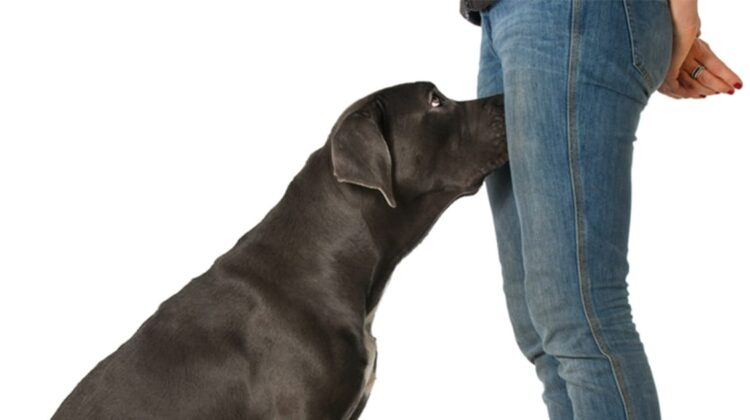
When a dog suddenly leans in to sniff your genital area—or that of a guest—it can feel awkward and uncomfortable. While humans may view this behavior as inappropriate, for dogs it is completely natural and rooted in how they communicate and understand the world.
Dogs don’t rely on sight the way humans do. Instead, they explore their surroundings primarily through smell. Sniffing is their way of gathering information, identifying individuals, and interpreting physical and emotional states.
Why a Dog’s Sense of Smell Is So Powerful
Dogs possess approximately 220 million scent receptors in their noses—nearly 50 times more than humans. This extraordinary ability allows them to detect chemical signals that are entirely invisible to us, including hormonal changes, stress levels, and even certain health indicators.
In simple terms, when your dog is sniffing you, it’s not being invasive—it’s collecting data.
Why Dogs Focus on the Crotch Area
According to Dr. Jennifer Sperry, a veterinarian with Pets Plus Us Insurance, dogs are naturally drawn to strong, concentrated odors. The genital area contains apocrine sweat glands, which produce a more pungent and information-rich scent than most other parts of the body.

Although these glands also exist in areas such as the armpits and chest, those locations are usually out of reach for a dog’s nose. For medium to large dogs especially, the crotch is the most accessible and scent-dense area.
Dr. Sperry explains that compared to hands or feet, this region provides a clearer and more meaningful scent profile, making it a natural target during greetings.
Is This Behavior Rude or Abnormal?
Not at all. From a dog’s perspective, this behavior is normal, instinctive, and harmless. In many cases, it actually indicates that the dog is relaxed, curious, and comfortable using its natural senses.
That said, understanding the reason behind the behavior doesn’t mean you have to tolerate it—especially if it makes people uncomfortable.
How to Stop Your Dog from Sniffing Genital Areas
1. Redirect Instead of Punishing
Scolding or punishing a dog for sniffing often leads to confusion and anxiety. Dogs don’t understand why the behavior is unacceptable—they only sense stress.
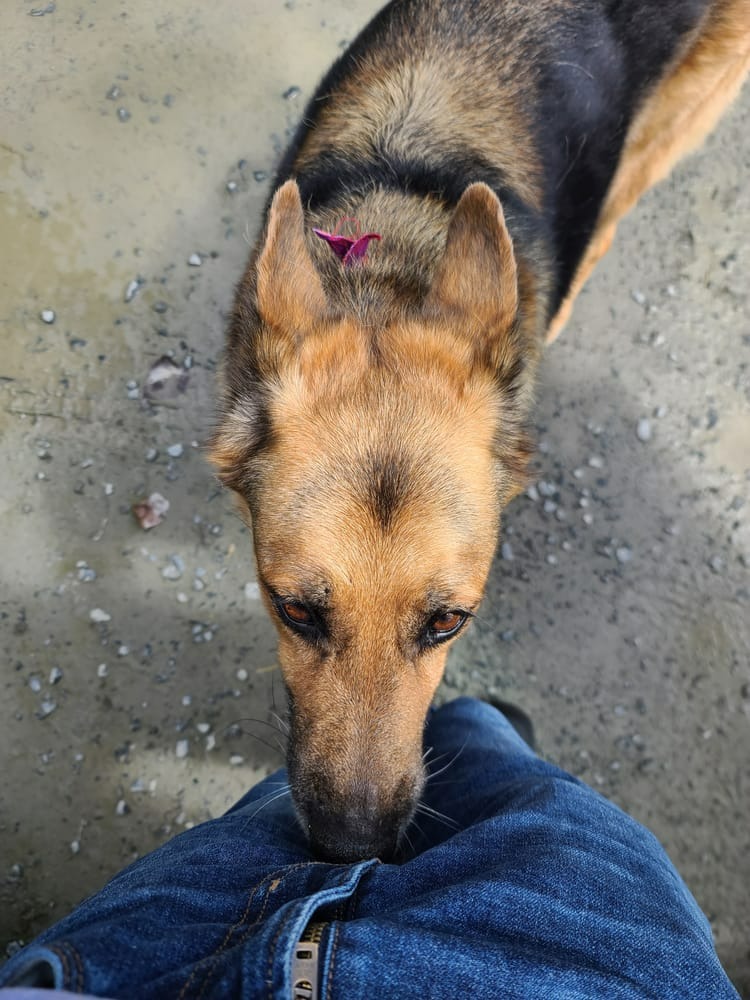
A better approach is to redirect their natural sniffing instincts into appropriate activities, such as:
- Snuffle mats
- Puzzle toys
- Nose work games
- Long, scent-focused walks
When a dog’s mental and sensory needs are met, unwanted behaviors naturally decrease.
2. Teach a Polite Greeting
Dr. Sperry recommends reinforcing the “sit” command when guests enter the home. Sitting gives the dog a clear task and physically prevents awkward encounters.
You can also teach alternative greetings, such as a high-five:
- Practice the trick in advance
- Have a friend enter calmly
- Cue the behavior
- Reward immediately with a treat
Positive reinforcement encourages dogs to repeat polite behaviors instead of relying on instinctive sniffing.
Final Takeaway
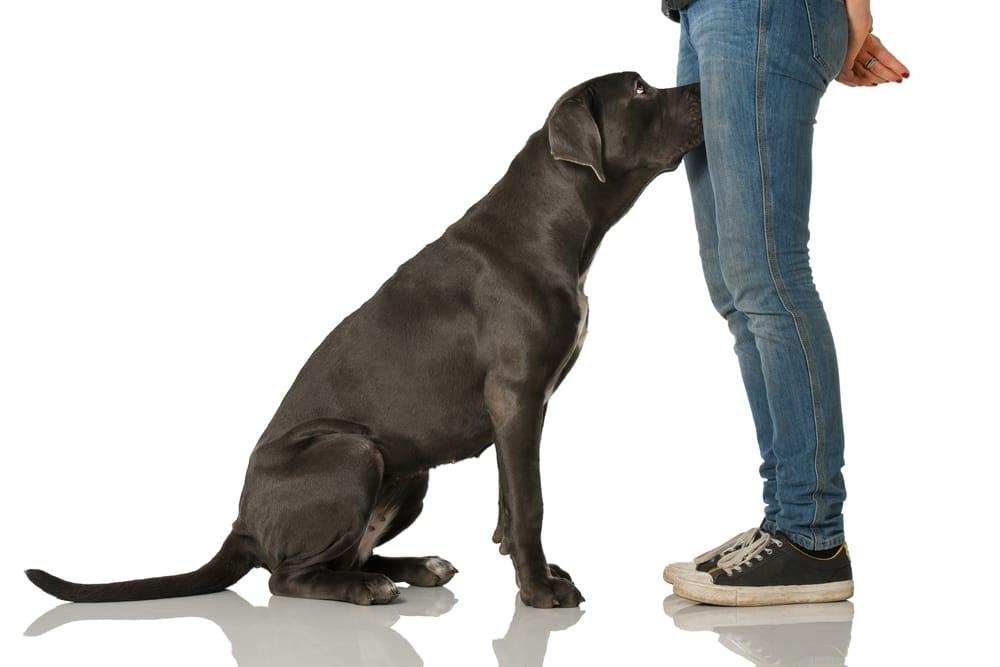
When a dog sniffs between your legs, it isn’t being disrespectful—it’s simply following instinct and using its most powerful sense to understand who you are.
With patience, positive reinforcement, and proper redirection, you can guide this natural behavior into more socially acceptable interactions—strengthening the bond between you and your dog while keeping everyone comfortable.
Understanding animal behavior goes far beyond managing daily interactions—it plays a vital role in long-term pet health, emotional balance, and responsible ownership. As more households invest in professional training, behavioral consultation, pet insurance, and advanced veterinary care, informed pet owners are better equipped to make decisions that improve quality of life for both animals and humans. Knowledge-based care is quickly becoming the standard for modern pet ownership.
Leave a Reply