• Skip to main content
  • Skip to primary sidebar
  • Skip to footer
  • Home
  • About Us
  • Copyright Report
  • Submit Content
  • Terms
  • Privacy Policy
  • Legal Disclaimer

Hasan Jasim

Hasan Jasim is a place where you may get entertainment, viral videos, trending material, and breaking news. For a social generation, we are the largest community on the planet.

Indigenous People in Alaska Invented Snow Goggles Centuries Ago To Protect Eyes and Improve Vision

by Hasan Jasim Editorial Team 1 Comment

ShareTweet

Anyone who has spent a lot of time outdoors in the snow knows how important it is to protect your eyes. The bright sun bouncing off the white snow can lead to snow blindness, a very uncomfortable situation caused by too much exposure to UV light. Indigenous peoples in the Alaska region were certainly aware of these dangers, and have been creating eyewear to protect themselves for thousands of years.
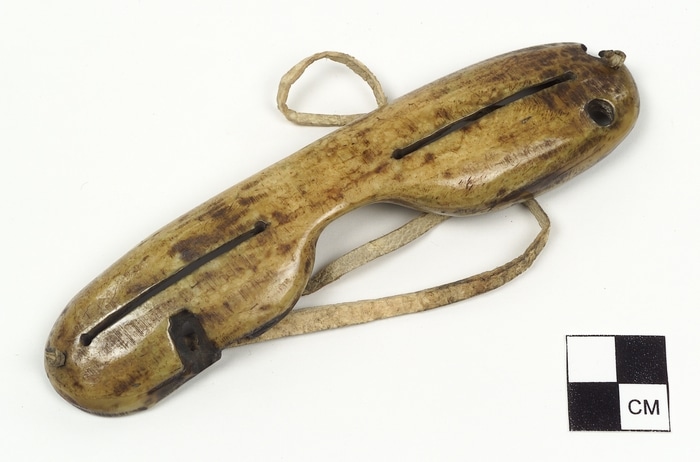
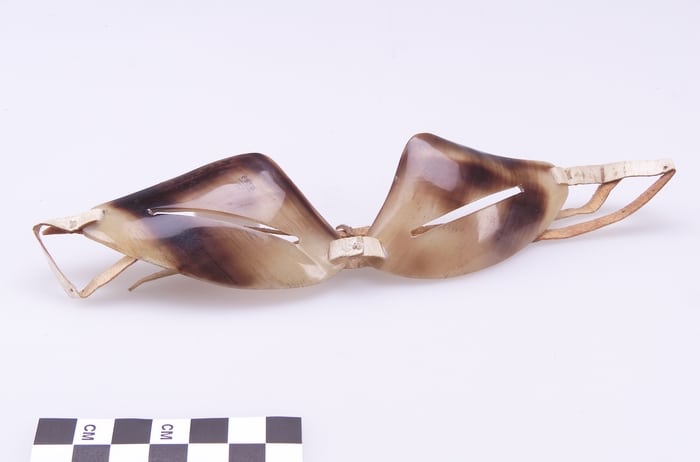
Inupiaq snow goggles made from ivory. Created 1880-1900. (Photo: National Museum of the American Indian)
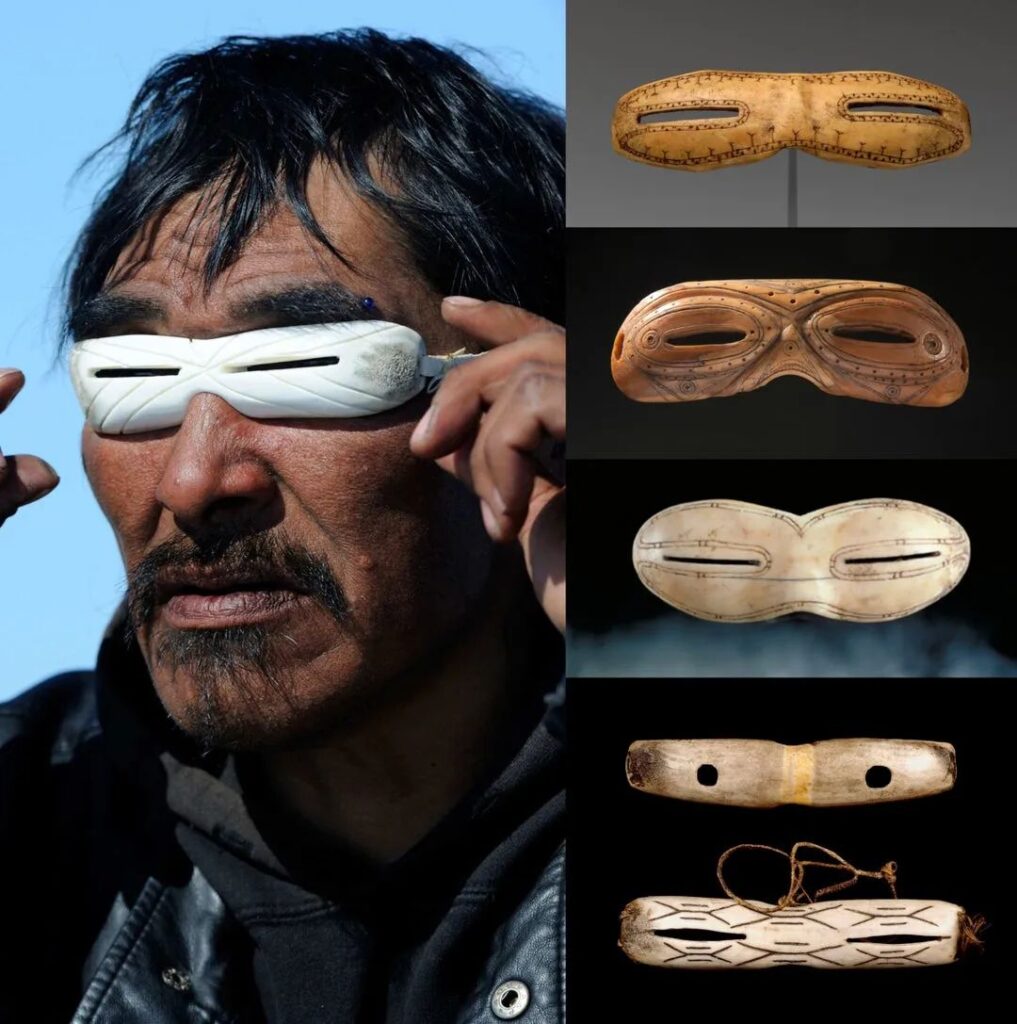
Thousands of years ago, Inuit and Yupik people of the Arctic carved narrow slits into ivory, antler and wood to create snow goggles. This diminished exposure to direct and reflected ultraviolet rays thereby reducing eye strain and preventing snow blindness .

Called ilgaak in Inuktitut and nigaugek in Central Yupik, these snow goggles look a bit different than the ones you’d use when hitting the ski slopes. The goggles created by the Inuit and Yupik peoples have two thin slits and are carved out of a variety of materials. Wood, bones, and even whale baleen are all used to fashion these googles, which are still produced today.

There are quite a few examples at the Smithsonian’s National Museum of the American Indian and they are fascinating to look at. The small slits not only reduce glare and reflection, but they can actually improve vision. By focusing the light, the slits act much as a pinhole camera would and help sharpen and focus vision. It’s a system that goes far back for the Indigenous peoples of the region and snow goggles have been found in Inuit archeological sites up to 2,000 years old.

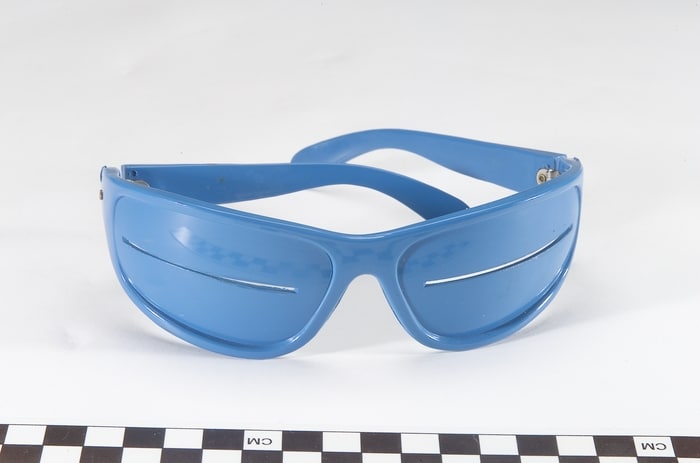
Over time, the materials for the goggles may have changed—one can find them in plastic today—but the vintage design remains. It’s a classic case of early engineering through learned experience and, it turns out, this traditional design holds up.

The Inuit and Yupik peoples have made expertly designed snow goggles for centuries.

The small slits both protect the eyes from snow blindness and improve vision.
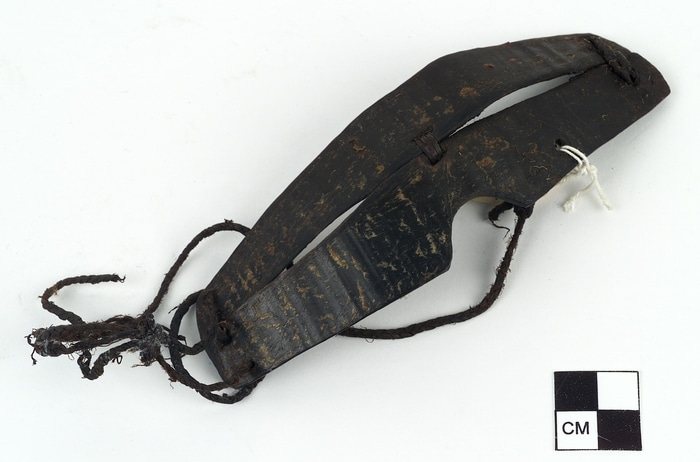
Inupiaq snow goggles made from baleen and sinew. Created c. 1890. (Photo: National Museum of the American Indian)

Wood and bone are just some of the materials used to create these snow goggles.
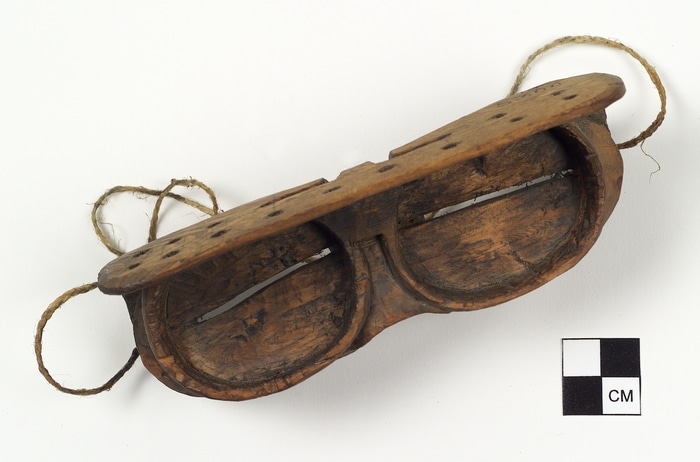
Baffinland Inuit snow goggles made from wood. Created c. 1920. (Photo: National Museum of the American Indian)
Inupiaq snow goggles made from caribou hoofs, sealskin, sinew. Created 1961. (Photo: National Museum of the American Indian)

The design continues to be produced today, using both modern and traditional materials.
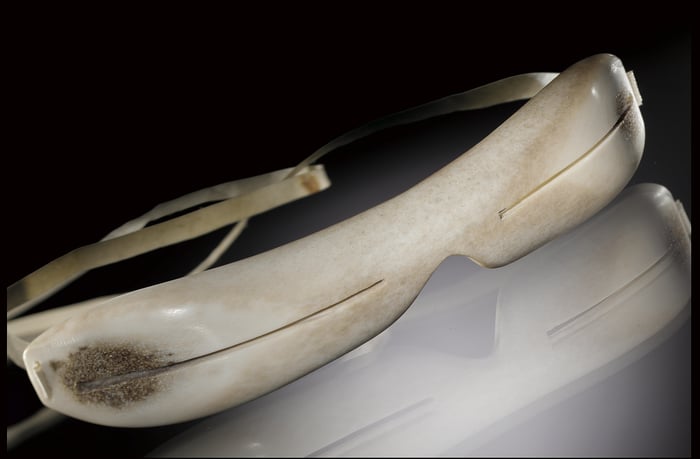
Inuit snow goggles made from caribou bone. Created 2002. (Photo: National Museum of the American Indian)
Contemporary snow goggles made from plastic. Created 1970-1990. (Photo: National Museum of the American Indian)

Filed Under: Trends Worldwide Tagged With: Alaska, centuries, eyes, goggles, improve, indigenous, invented, people, protect, snow, trends, vision, worldwide

Reader Interactions

Comments

  1. Juanita Henson says

    January 7, 2023 at 5:19 am

    MY FATHER WAS STATIONED AT AIR FORCE BASE ~ THAT WAS 1950 ~ I WAS A YEAR OLD ~ LEFT WHEN I WAS 4 ~ MY FATHER HAD SOME ~ I REMEMBER GETTING IN TROUBLE MESSING WITH THEM ~ 73 NOW ~ BLESS ALL OF YOU FOR PUTTING THIS UP ~ GOOD MEMORIES

    Reply

Leave a Reply Cancel reply

Your email address will not be published. Required fields are marked *

Primary Sidebar

More to See

Banned for a Turtle: The Unforeseen Consequences of Social Media Posting

By Hasan Jasim Editorial Team

Predator in the Air The Size Of A Plane Discovered In The Gobi Desert

By Hasan Jasim Editorial Team

Woman Adopts 18-Year-Old Senior Dog Dumped by Owners, Makes His Final Days Magical

By Hasan Jasim Editorial Team

The Widowmaker Pine Cone Is the World’s Largest: It’s So Big It Can Actually Kill You

By Hasan Jasim Editorial Team

Starving dog found on desert island just days from death – traveler springs into action with only 48 hours to spare

By Hasan Jasim Editorial Team

These Two Texas Giant Sinkholes Are Yearning to Combine, Which Would Have Catastrophic Effects

By Hasan Jasim Editorial Team

Are 2 prong plugs safe?

By Hasan Jasim Editorial Team

Footer

ABOUT HASANJASIM.ONLINE

Hasanjasim.online is a digital platform dedicated to publishing well-researched articles about the animal kingdom, nature, and the environment. Our editorial team works to source stories from credible outlets, scientific research, and verified reports, aiming to inform as much as we entertain. From wildlife conservation and animal behavior to natural wonders and environmental science, we cover the topics that help readers better understand and appreciate the natural world. Whether you're a lifelong nature lover or simply curious about the planet we share, Hasanjasim.online aims to be a trustworthy destination for stories worth reading — and worth citing.

Recent

  • The Viral Trend of Dogs Getting Their Own Maternity Photoshoots
  • The Seahorse Photo That Captured a Silent Farewell — And Won Photography’s Top Ocean Prize
  • Blood-Soaked California Poachers Arrested After Cops Make Horrifying Discovery
  • The Moment an Emu Wrestled a Man to the Ground — Then Turned the Tables
  • Why didn’t anyone tell me there’s an animal that smells exactly like hot, buttered popcorn?
  • I Never Liked the Caribbean—But This Island With Waterfalls, Hot Springs, and Rainforests Won Me Over
  • He Was a Magnificent 17-Point Buck — Now His Life Is Over

Search