
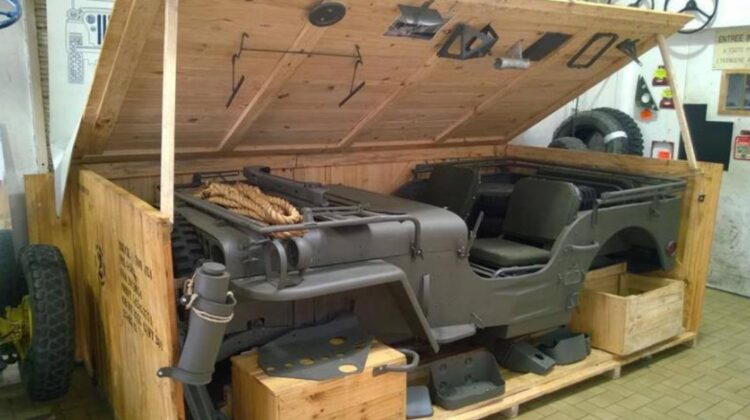
When you think of a Jeep, you probably imagine a rugged off-road vehicle conquering trails with ease. But during World War II, the legendary Willys MB didn’t always roll onto battlefields — it often arrived in wooden crates, shipped in pieces and assembled by soldiers within hours.
This brilliant logistical solution turned the Jeep into a global symbol of versatility, helping Allied forces fight across every continent.
The Birth of the Military Jeep
In 1940, the U.S. Army issued a call for a lightweight, all-purpose vehicle that was compact, reliable, and easy to repair. The winning design came from Willys-Overland: the Willys MB, a tough, four-cylinder 4×4 vehicle that could handle any terrain.
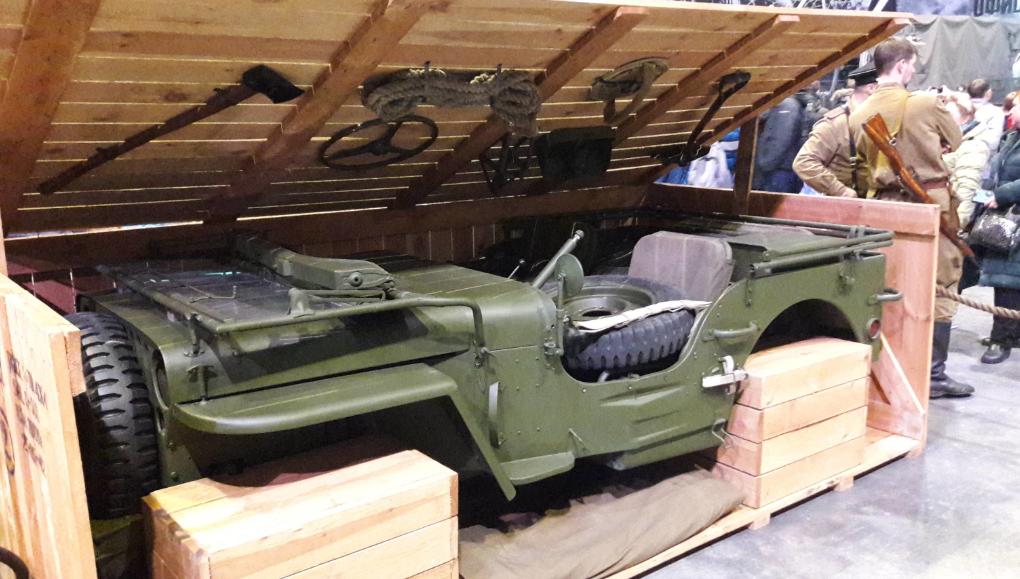
Soon, Ford joined the effort, producing nearly identical models known as the GPW. Together, they built over 600,000 Jeeps during the war, making this vehicle one of the most iconic machines in military history.
Why Jeeps Were Shipped in Crates
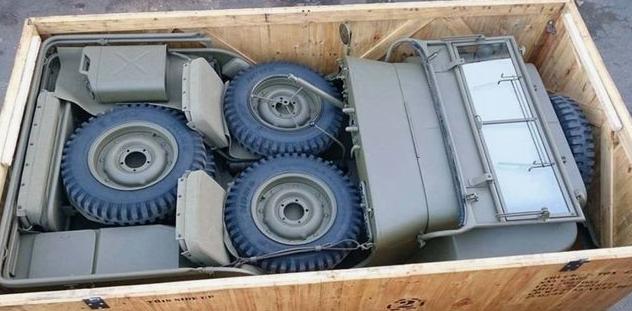
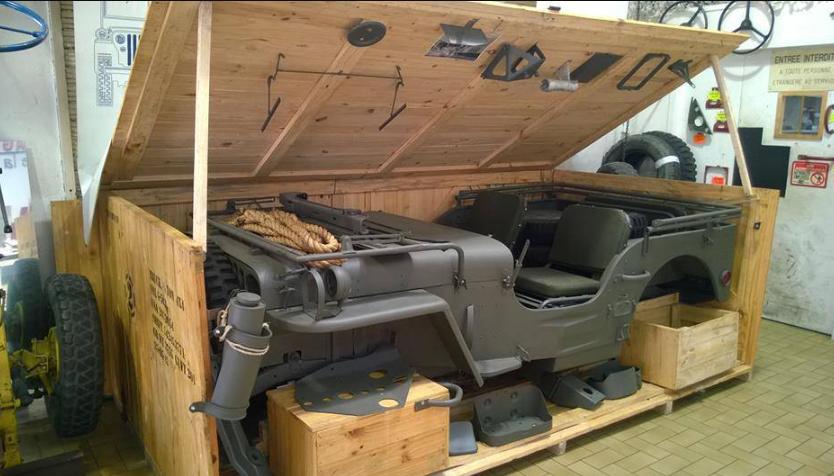
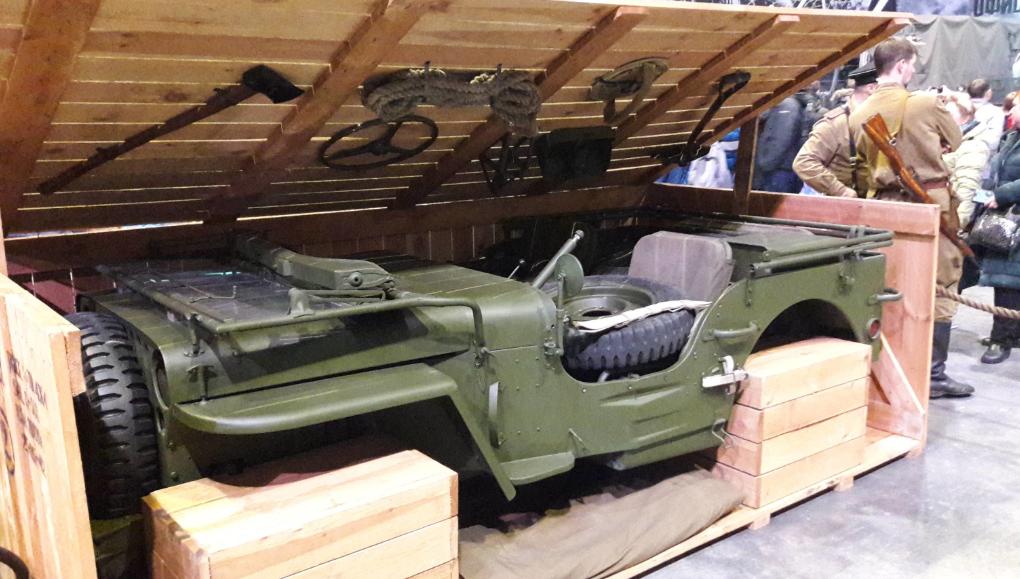
Shipping fully assembled vehicles was inefficient. Space was critical on transport ships and aircraft, so engineers designed a way to disassemble Jeeps into compact crates measuring roughly 3.5 × 1.4 × 1.2 meters (11.5 × 4.6 × 4 feet).
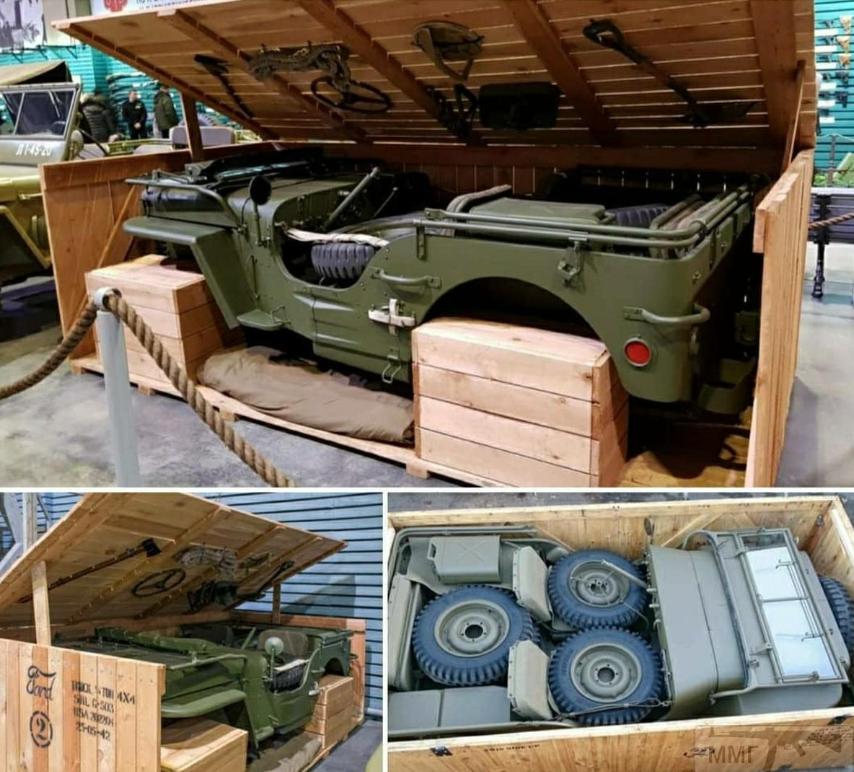
Each crate contained the Jeep’s chassis, body, axles, engine, and smaller components, packed with military precision. Upon arrival, soldiers could assemble a Jeep in 4–6 hours using basic tools, even on remote battlefields.
This strategy allowed two to three times more vehicles to be shipped per trip, ensuring Allied troops always had reliable transport.
The Jeep’s Role on the Front Lines
The Willys MB became known as the “go-anywhere, do-anything” vehicle. Its versatility made it indispensable:
- Command and staff car for military leaders
- Reconnaissance and scouting vehicle
- Ambulance and supply transporter
- Machine gun platform and artillery tractor
From the deserts of North Africa to the jungles of the Pacific and the forests of Europe, the Jeep became a battlefield legend. General Dwight D. Eisenhower famously said:
“There are four things that won the war for the Allies: the C-47, the Jeep, the bazooka, and the atomic bomb.”
From War Hero to Civilian Icon
After the war, Willys-Overland transformed the MB into the Civilian Jeep (CJ), a rugged vehicle popular with farmers, ranchers, and adventurers. Over time, the Jeep brand became a global symbol of freedom, resilience, and off-road capability.
The name “Jeep” is believed to have originated from the military designation GP (General Purpose), which soldiers shortened into the now-famous moniker.
A Legacy That Lives On
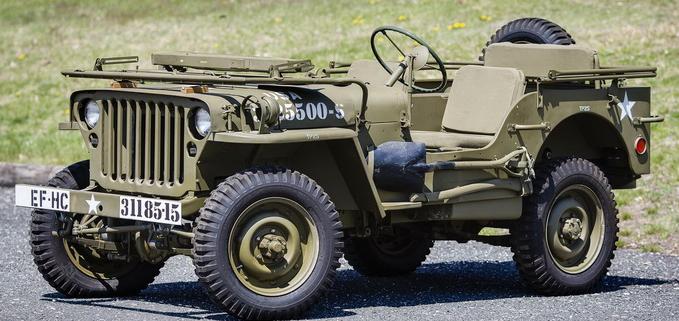
Today, restored Willys MBs are displayed in museums, reenactments, and private collections. They represent a combination of simple engineering, clever logistics, and battlefield toughness that changed military transport forever.
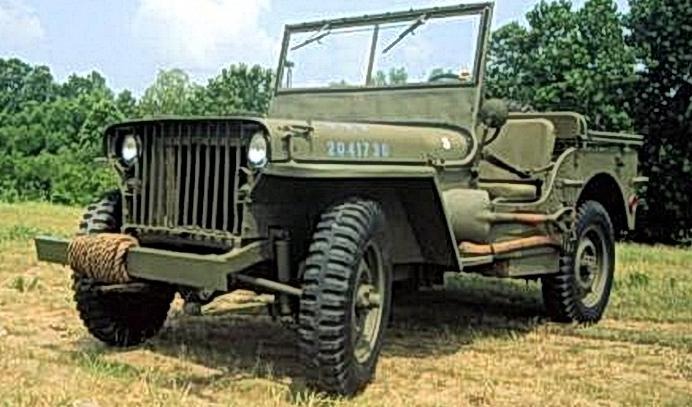
The story of the “Jeep in a Box” is more than just a piece of history — it’s a lesson in ingenuity, showing how a practical design can help shape the outcome of a global conflict.
Leave a Reply