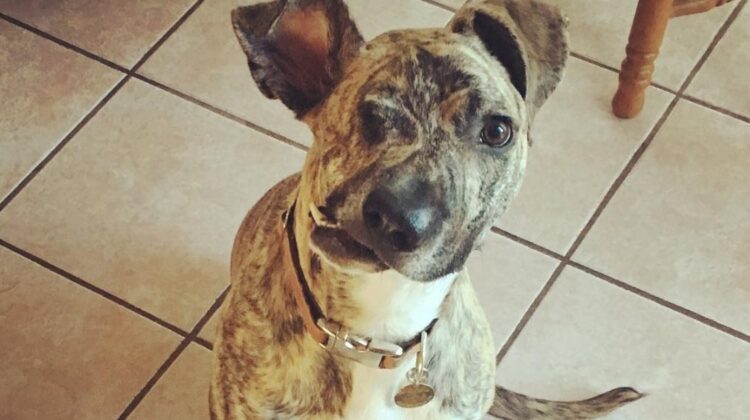
When a four-month-old puppy was surrendered to the Cuyahoga County Animal Shelter in Ohio, he was in bad enough shape that he couldn’t even open his mouth to eat. Despite that, staff noticed something that stood out immediately: his tail never stopped wagging, and he greeted everyone who came near with obvious affection.
An Initial Diagnosis That Didn’t Add Up
Shelter veterinarians first suspected the puppy — later named Squish — had developed a severe infection from a dog bite, and treated him with antibiotics in hopes of resolving the swelling and deformity in his face. When his condition kept worsening instead of improving, and he continued struggling to eat, staff made the difficult decision to schedule euthanasia rather than let him keep suffering.
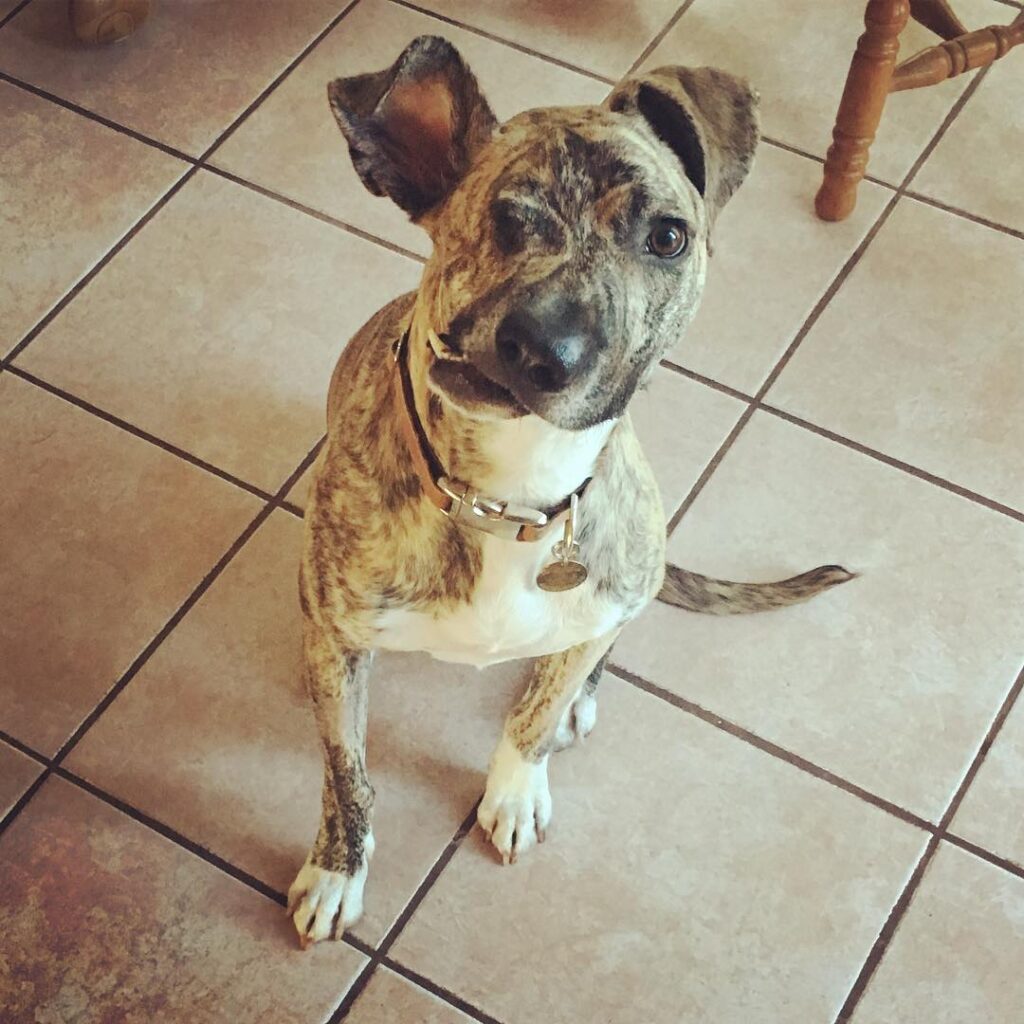
Before going through with it, the shelter sent Squish to a specialist for X-rays — a decision that changed the course of his story entirely.
What the X-Rays Actually Showed
The scans revealed the facial deformity wasn’t from an infection at all. Squish had sustained significant fractures to his skull and upper right jaw at some point, and as scar tissue formed during healing, it prevented that side of his jaw from growing normally alongside the rest of his skull — leaving him barely able to open his mouth.
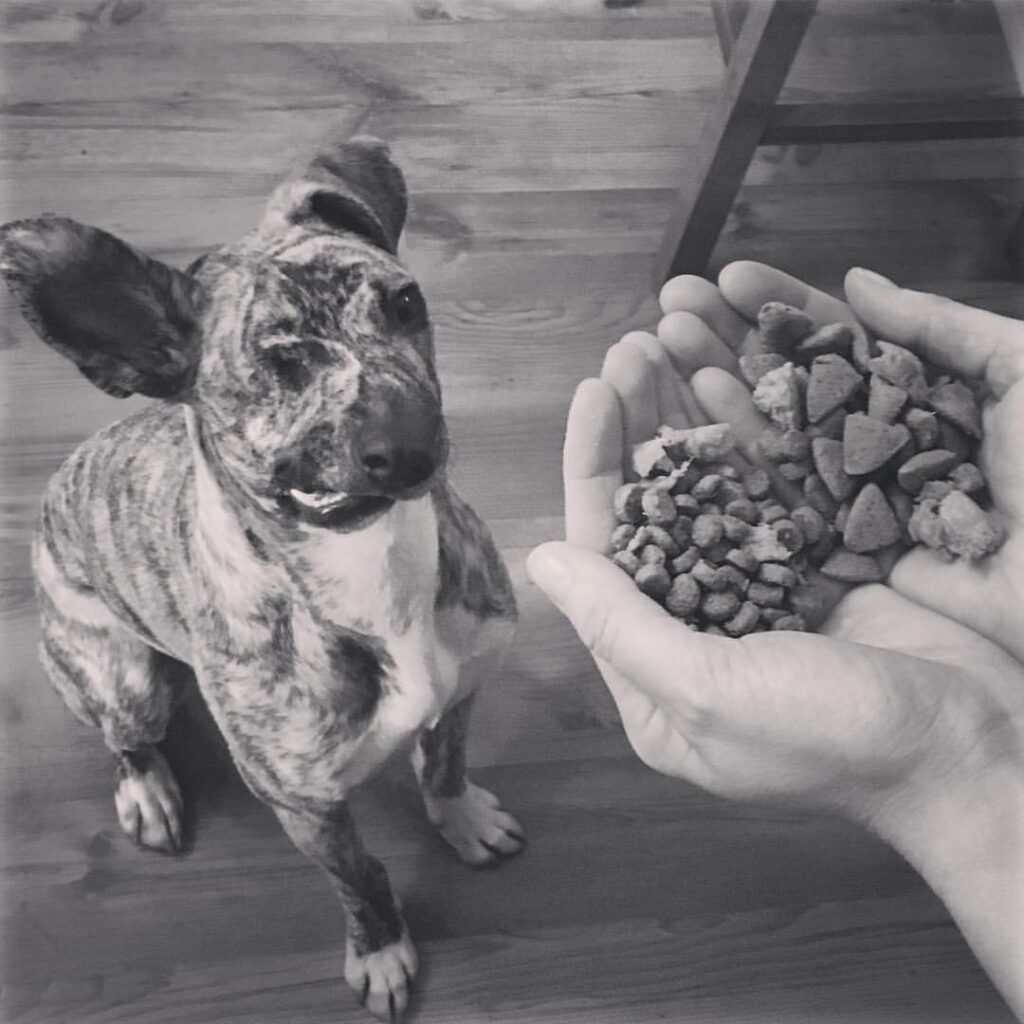
Treating it properly would require extensive surgery, but with no funding secured and no adopter lined up for such a medically complex dog, Squish’s prospects remained bleak even after the correct diagnosis.
A Vet Takes Him Home for the Night
Veterinarian Danielle Boyd, finishing up an internship at the shelter, decided to take Squish home rather than leave him alone in a kennel for what might have been one of his last nights. According to Boyd’s account, reported by The Dodo, Squish settled into her arms and fell asleep almost immediately — a level of trust that struck her, given everything he’d likely been through.
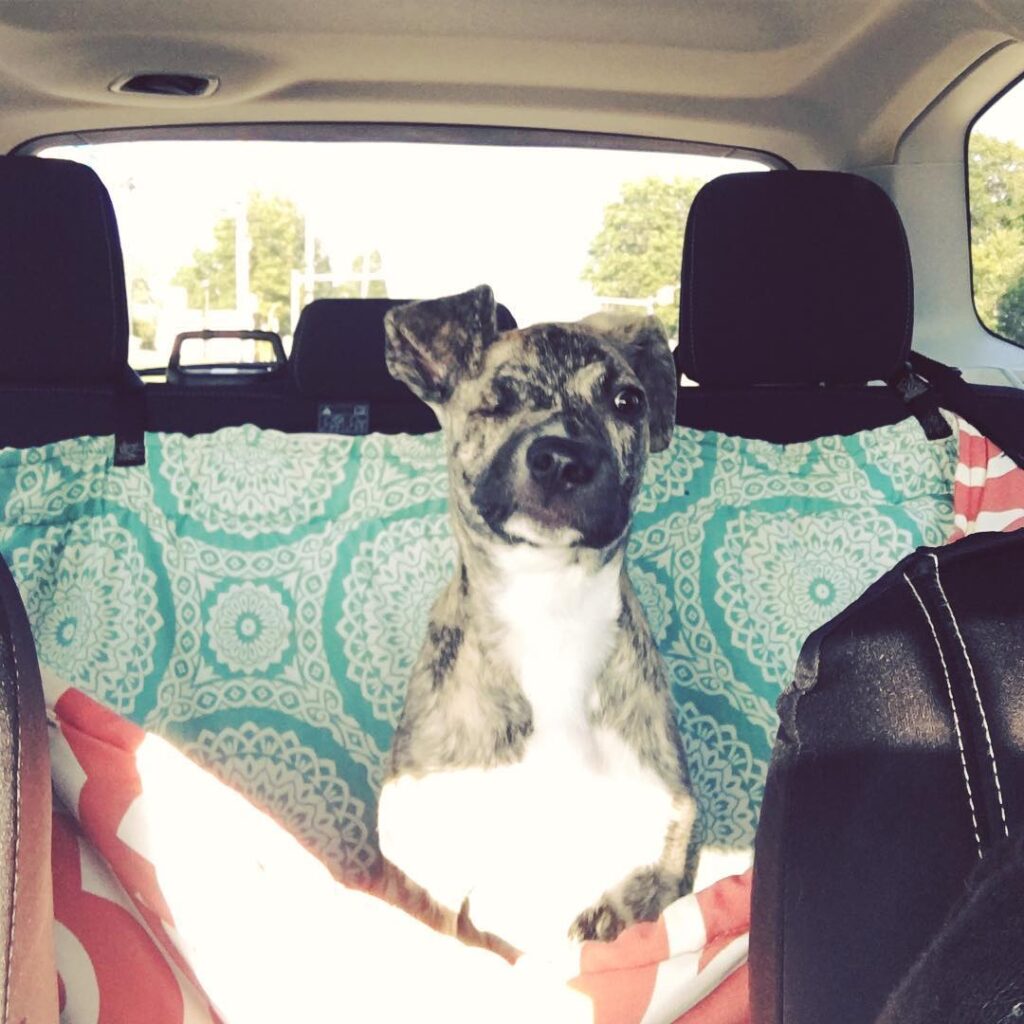
By morning, Boyd knew she couldn’t go through with the euthanasia. She wasn’t alone — Dr. Eileen Heldmann, the veterinarian who had first examined Squish, felt the same way and operated on him the very next day.
Surgery, and a Second Chance
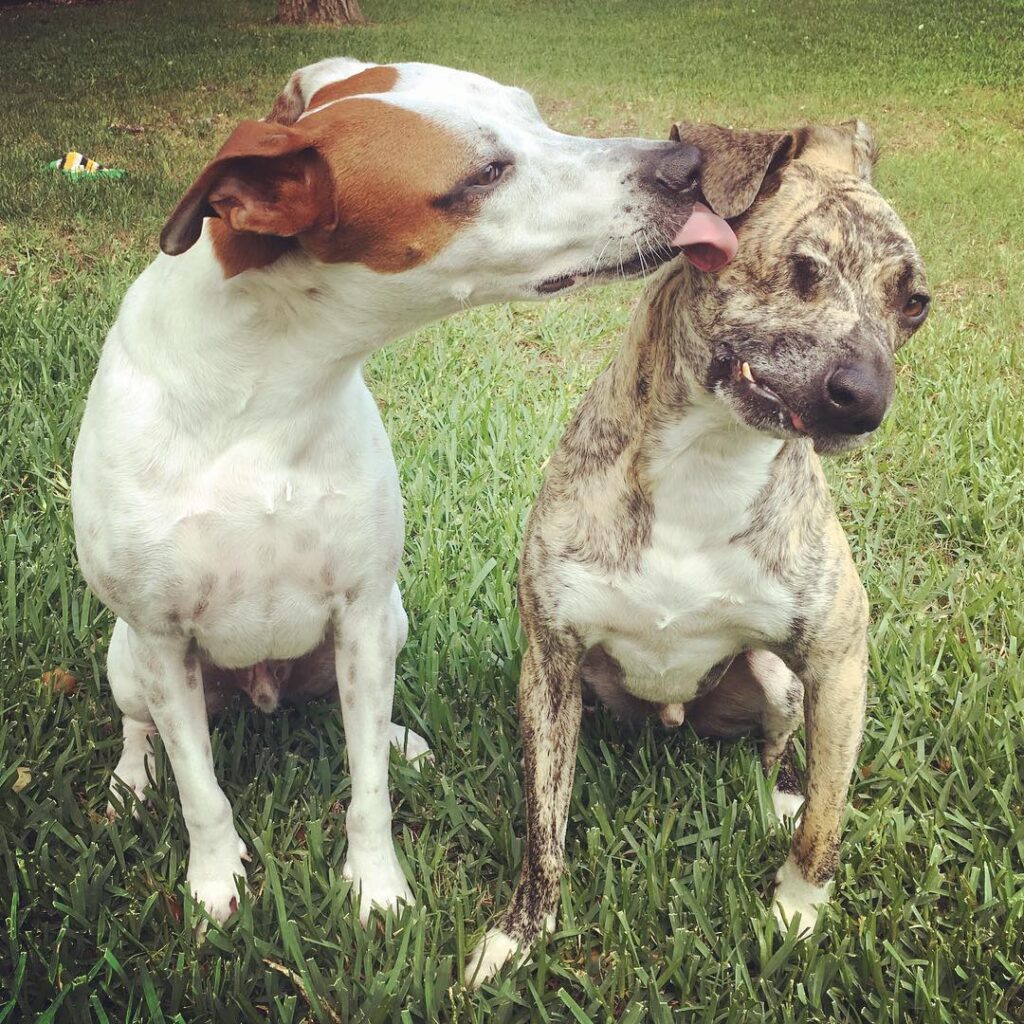
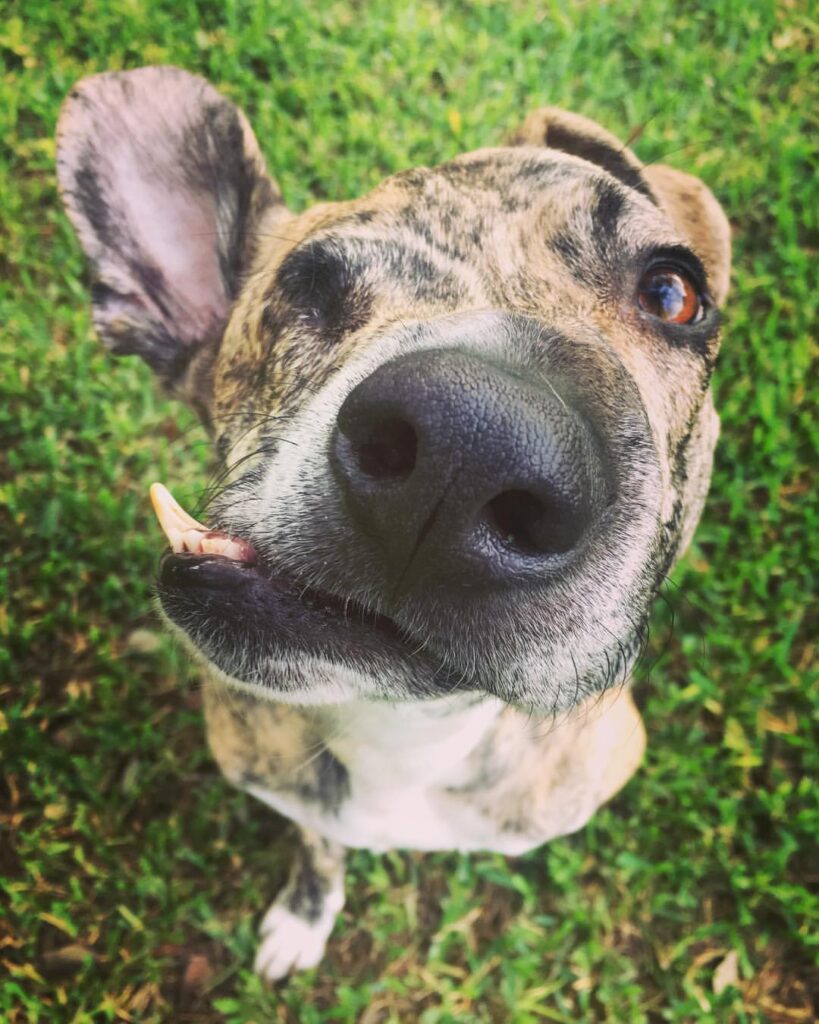
The operation removed a tooth, one eye, and part of Squish’s damaged jaw — but it worked. Squish could finally eat normally again.
“I cried seeing his excitement as he picked up a tennis ball for the first time,” Boyd told The Dodo, “and that was only the beginning of his little victories.”
A Coincidence Worth Mentioning
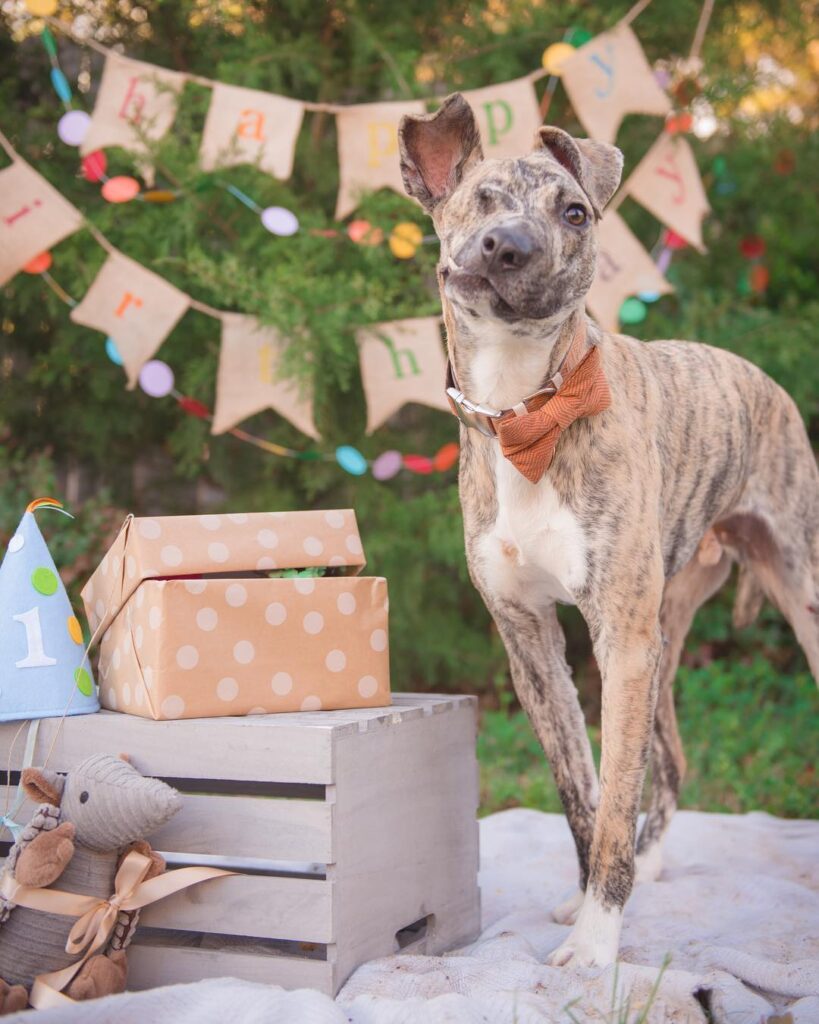
Boyd had lost her own dog just two days before meeting Squish. Whatever role coincidence played, the timing meant two beings who each needed something found each other at exactly the right moment — and Squish now has a permanent home with the veterinarian who refused to give up on him.
Frequently Asked Questions
How common are jaw fractures like Squish’s in shelter animals? Traumatic injuries that get misdiagnosed as infections aren’t rare in shelter medicine, particularly with strays whose full history is unknown — it’s part of why specialists recommend imaging before major decisions like euthanasia whenever resources allow.
What does recovery look like after this kind of jaw surgery in dogs? Dogs generally adapt remarkably well to jaw and even eye removal surgeries, often returning to normal eating, playing, and behavior within weeks, especially when the underlying pain and eating difficulty is resolved.
How can people support shelters handling medically complex animals like Squish? Local shelters and rescues typically rely on donations specifically earmarked for veterinary care to fund surgeries for animals who would otherwise be considered unadoptable due to medical costs.
Source: The Dodo, cited above.
Leave a Reply