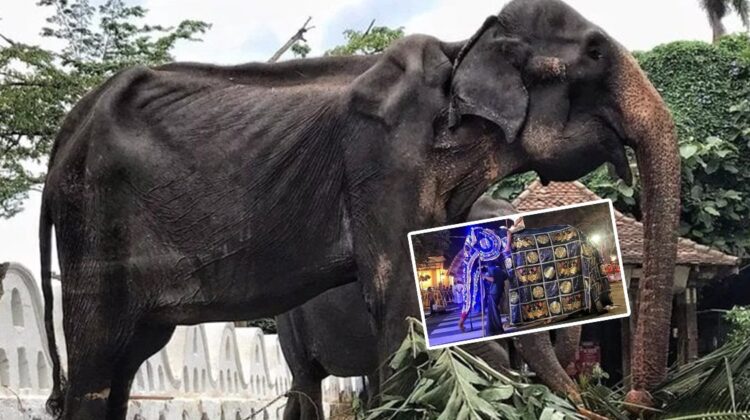
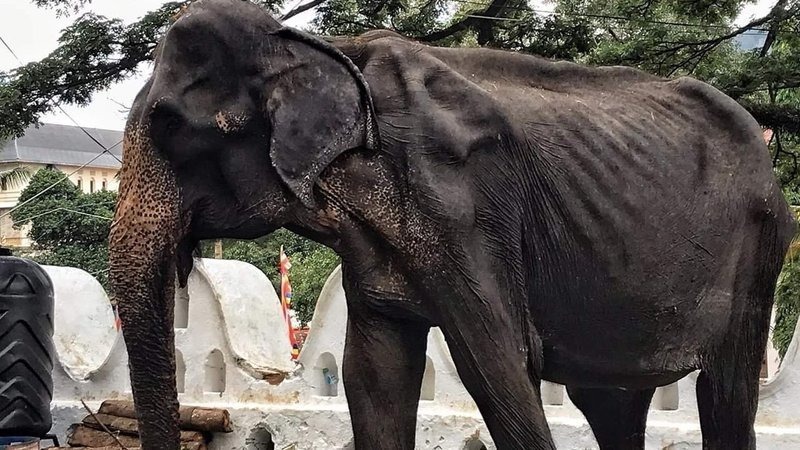
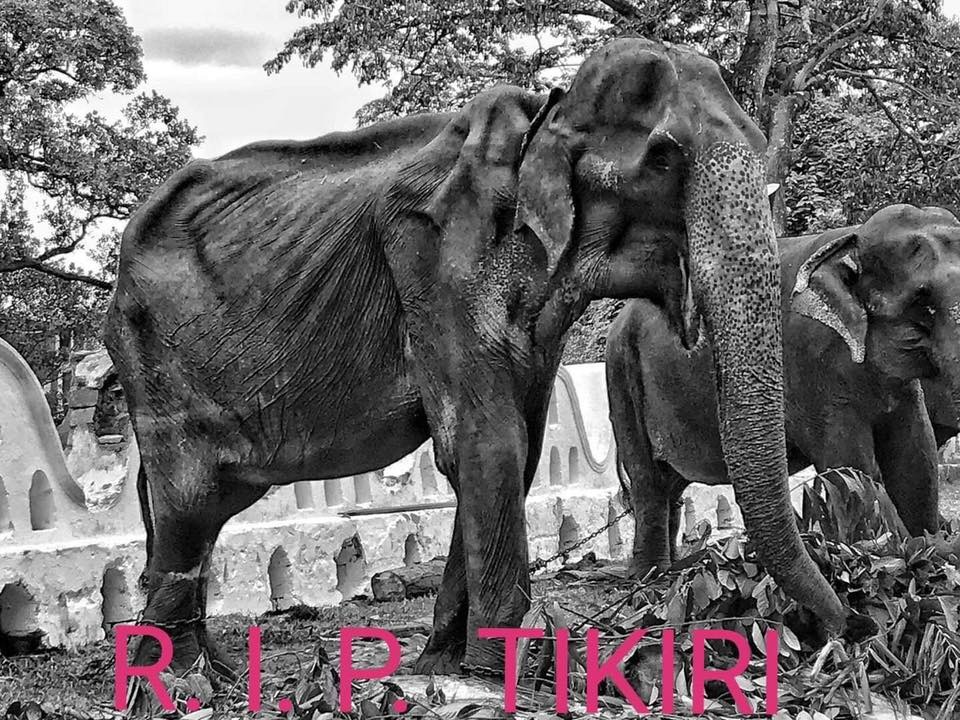
In August 2019, photographs of an emaciated elephant lying on the ground, her ribs and bones clearly visible through her skin, spread around the world and reignited a global conversation about the treatment of captive elephants in religious festivals.
What the Photos Showed
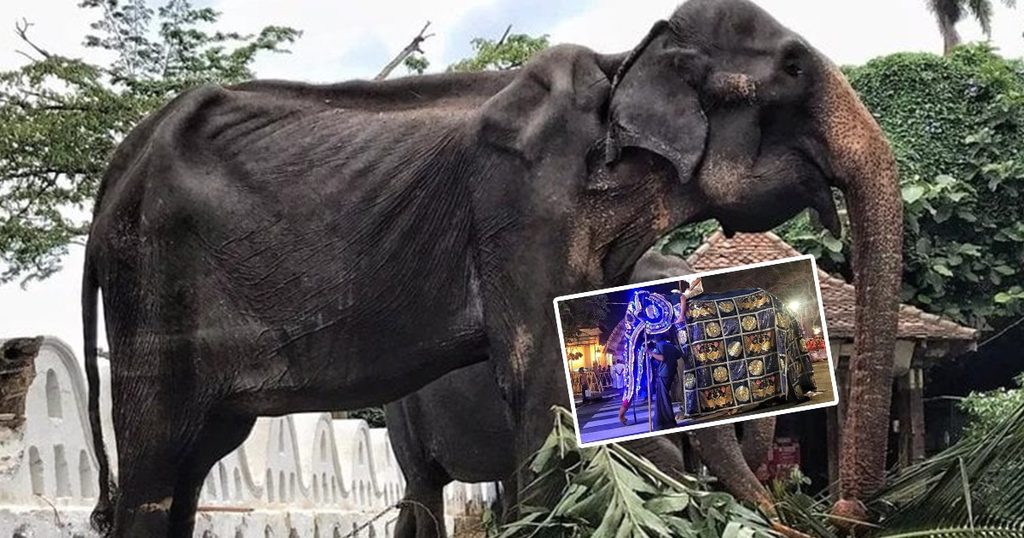
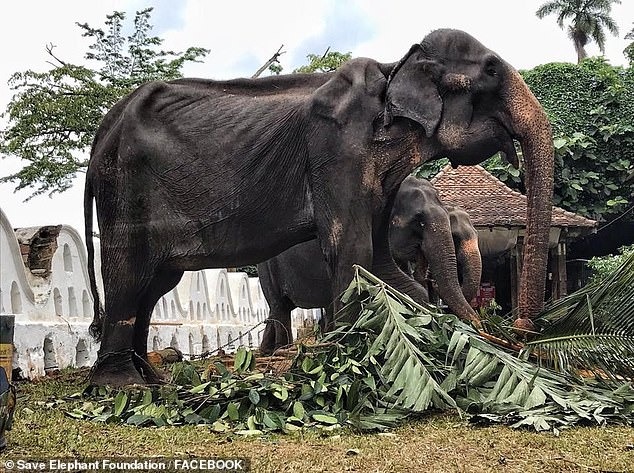
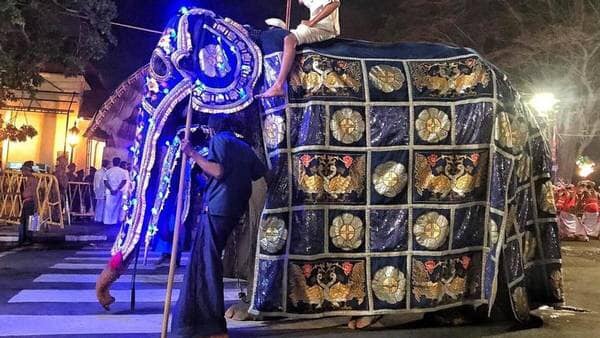
The elephant, a 70-year-old female named Tikiri, was set to take part in Sri Lanka’s Esala Perahera — a 10-day series of nightly parades held in Kandy to honor a relic believed to be a tooth of the Buddha, organized by the Temple of the Sacred Tooth Relic. Tikiri was one of roughly 60 elephants involved, required to walk several kilometers each night surrounded by noise, fireworks, and smoke, while dressed in an elaborate costume designed to disguise her condition.
The Thailand-based Save Elephant Foundation (SEF), led by conservationist Lek Chailert, shared the photos around World Elephant Day to raise awareness about captive elephant exploitation more broadly. “No one sees her bony body or her weakened condition, because of her costume,” the organization wrote at the time. “No one sees the tears in her eyes, injured by the bright lights that decorate her mask.”
Public Pressure Led to Her Withdrawal
A Change.org petition addressed to then–Prime Minister Ranil Wickremesinghe gathered more than 100,000 signatures, and the resulting backlash led organizers to pull Tikiri from the festival’s closing parade. Asian elephant expert Jayantha Jayewardene told AFP at the time that her condition left no room for ambiguity: “Obviously the animal is severely under-nourished, it is close to death. Owners parade their elephants to gain merit for themselves and not for the animal. This should never have been allowed.”
The Owner’s Side
Tikiri’s owner, Randenige Thilakarathna, a supermarket and hotel owner whose family had kept her for eight years, disputed the mistreatment characterization directly, telling the Daily Mirror through his son that the family had spent significantly on her veterinary care and “would never mistreat or harm her.” He said she was recovering at home after collapsing from exhaustion during the festival.
Her Death, Weeks Later
Despite being withdrawn from the parade, Tikiri did not recover. She died on September 24, 2019, with Sri Lankan authorities ordering a post-mortem examination to determine the exact cause of death. Save Elephant Foundation shared the news in a Facebook statement: “Tikiri’s suffering has ended, her soul is now free. No more harm can come to her. RIP dear Tikiri.”
A Recurring Problem in the Region
Tikiri’s case wasn’t isolated. Sri Lanka has repeatedly faced international criticism over the welfare of elephants used in religious processions, with animal welfare researchers pointing to inadequate rest, chronic malnutrition, and prolonged use of aging animals as recurring issues at the country’s temple-run festivals. Her story became one of the most widely cited examples in that ongoing debate, referenced in subsequent reporting on Sri Lanka’s elephant welfare laws and enforcement.
Frequently Asked Questions
Did anyone face consequences for Tikiri’s treatment? Public reporting doesn’t indicate any legal consequences for her owner or festival organizers; the response was largely public pressure and Tikiri’s withdrawal from the remaining parade days, rather than a formal investigation outcome.
Are elephants still used in Sri Lankan religious festivals today? Yes — elephant processions remain part of festivals like the Esala Perahera, though cases like Tikiri’s have increased scrutiny and public debate over the animals’ living and working conditions.
What is the Save Elephant Foundation, and what do they do? It’s a Thailand-based conservation organization founded by Lek Chailert that operates elephant sanctuaries, including Elephant Nature Park near Chiang Mai, and advocates internationally against the exploitation of captive elephants.
Sources: CNN, BBC News, AFP (via Gulf News), Daily Mirror, and Save Elephant Foundation’s public statements, cited above.
Leave a Reply