• Skip to main content
  • Skip to primary sidebar
  • Skip to footer
  • Home
  • About Us
  • Copyright Report
  • Submit Content
  • Terms
  • Privacy Policy
  • Legal Disclaimer

Hasan Jasim

Hasan Jasim is a place where you may get entertainment, viral videos, trending material, and breaking news. For a social generation, we are the largest community on the planet.

Why Woodpeckers Don’t Get Headaches from Their Hammering Habit

by Hasan Jasim Editorial Team 3 Comments

ShareTweet

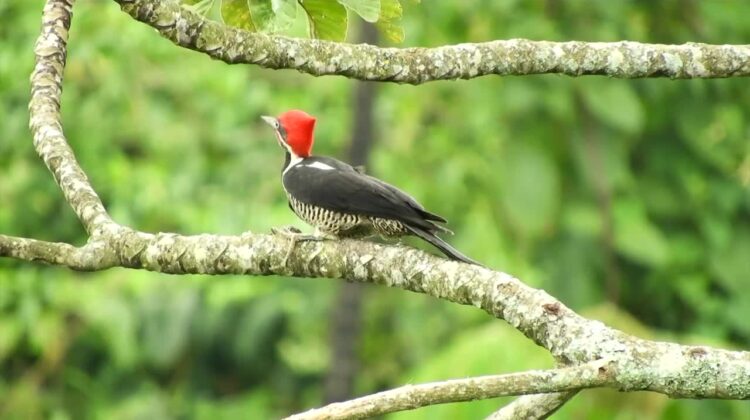
Have you ever wondered how woodpeckers can repeatedly peck at trees with such force without suffering from debilitating headaches or brain damage? These seemingly indestructible birds have evolved a remarkable set of adaptations that allow them to thrive in their challenging environments.
The Mystery of the Uninjured Brain

Woodpeckers deliver blows to trees with a force equivalent to 1,000 times the force of gravity. This is a staggering impact that would be fatal to most creatures. However, woodpeckers remain unscathed, thanks to a combination of physical and physiological adaptations.
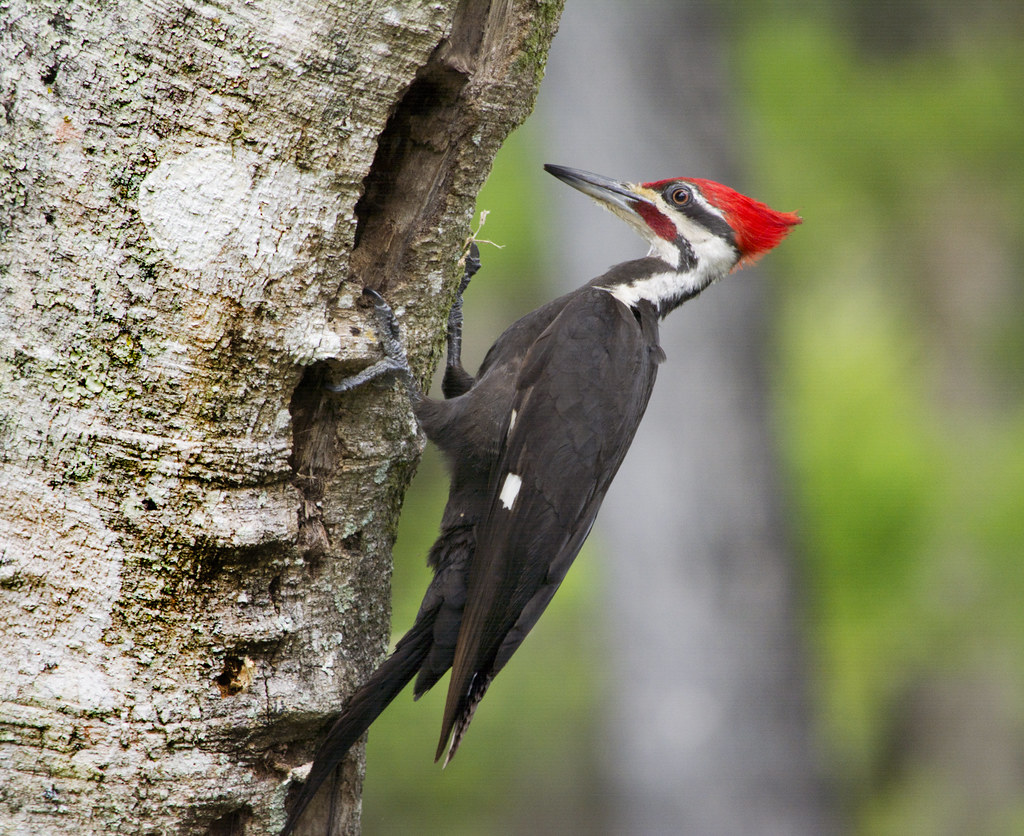
One key adaptation is their specialized beak. Unlike a human hammer, a woodpecker’s beak is designed to penetrate wood rather than abruptly stopping. This reduces the force transmitted to the bird’s head. Additionally, strong neck muscles and a unique brain structure help to absorb the shock of each impact.

A Tongue Longer Than Its Bill
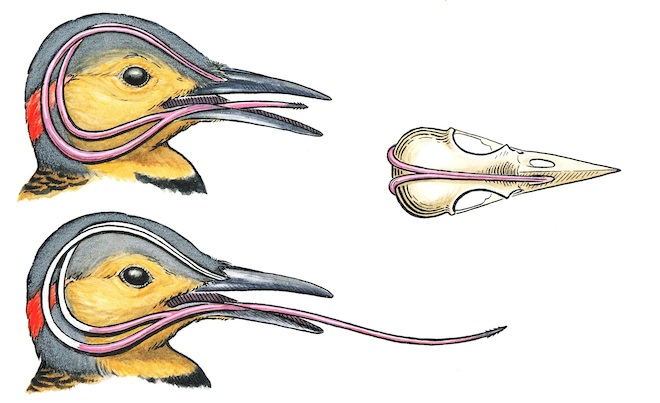
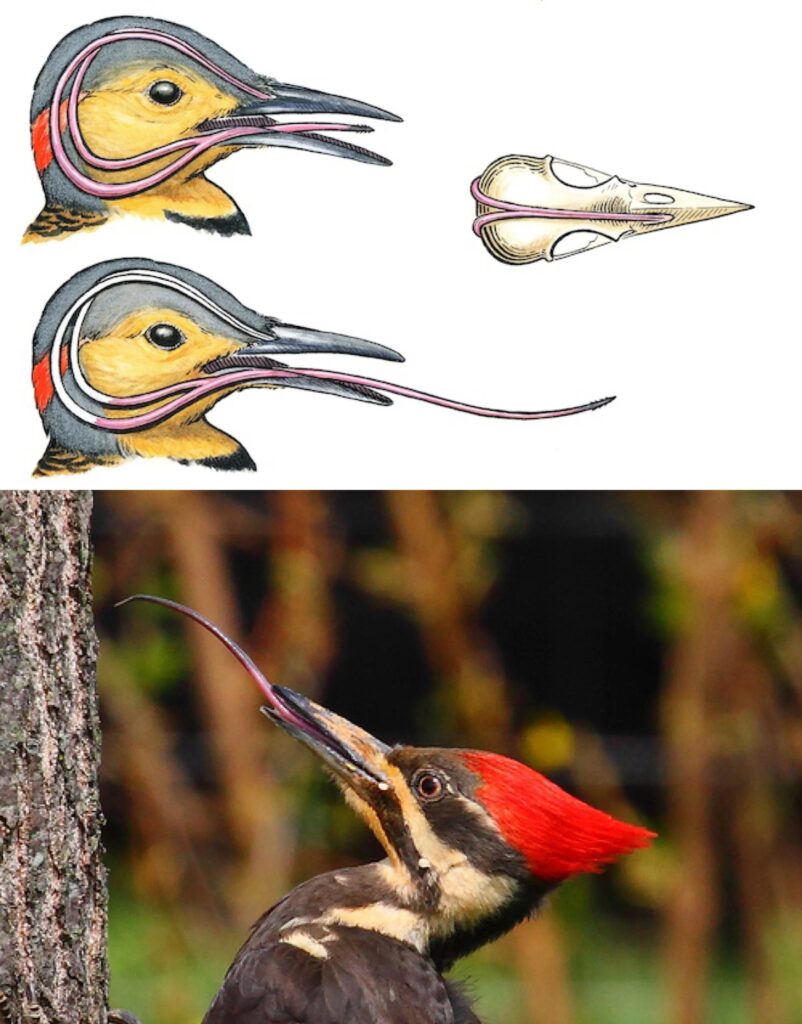
Another fascinating adaptation of woodpeckers is their unusually long tongue. This elongated organ is essential for reaching into crevices and extracting insects from deep within trees. Woodpeckers have developed a complex system of bones and cartilage, known as the hyoid apparatus, that allows them to extend their tongues to remarkable lengths.
The hyoid apparatus is anchored to the base of the tongue and extends backward and laterally. In woodpeckers, these extensions, called horns, can wrap around the back of the skull and even into the nostril. This unique arrangement enables the bird to store its long tongue when it’s not in use and to extend it to its full length when needed.

A Variety of Feeding Strategies

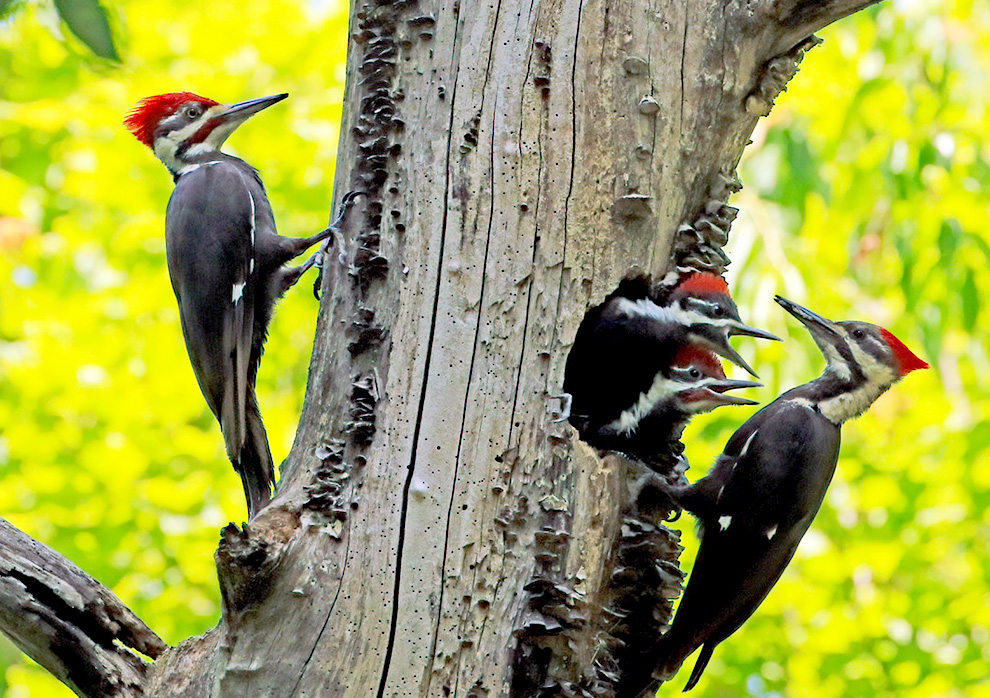
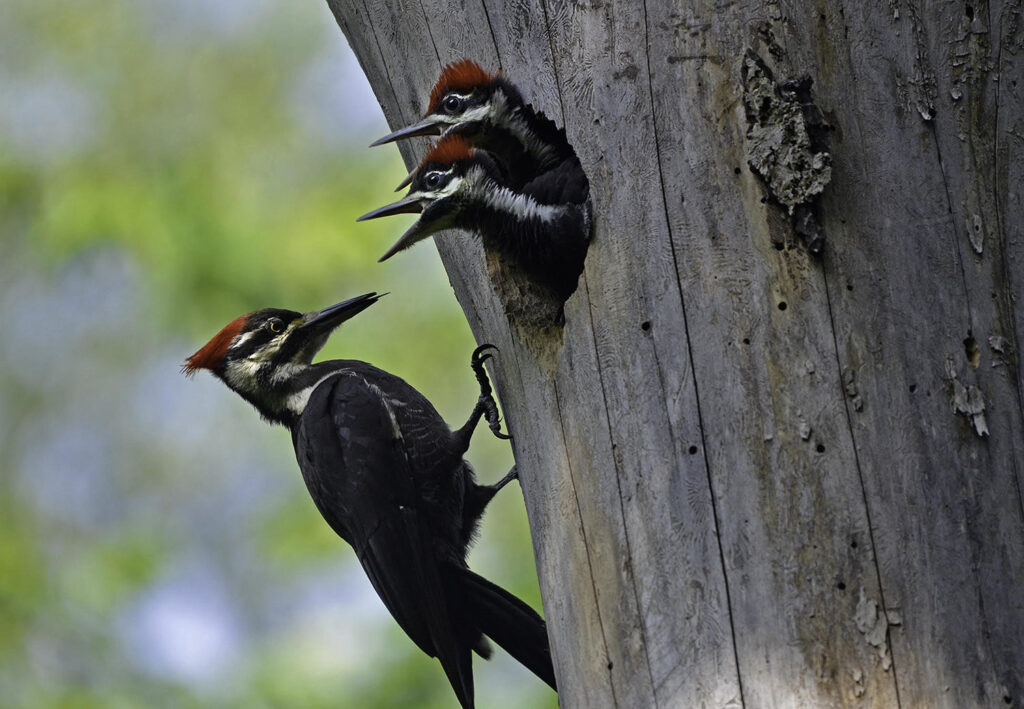
While all woodpeckers share the ability to peck at trees, they have evolved different feeding strategies. Some species, like sapsuckers, specialize in drilling holes in trees to extract sap. Others, such as flickers, primarily feed on ants. Pileated woodpeckers, on the other hand, are known for their impressive excavating skills, which they use to locate carpenter ants deep within trees.
Woodpeckers are truly remarkable creatures. Their ability to withstand the immense forces generated by their pecking is a testament to the power of natural selection. From their specialized beaks to their elongated tongues, these birds have evolved a suite of adaptations that allow them to thrive in their challenging habitats.

Filed Under: Trends Worldwide Tagged With: adaptations, brain damage, flickers, headaches, hyoid apparatus, Pileated Woodpeckers, sapsuckers, tongue, woodpeckers

Reader Interactions

Comments

  1. Giles Highnam says

    January 25, 2023 at 1:35 pm

    Thank you for the assembled info and data on woodpeckers, Hasan.

    Are Kookaburras a type of woodpecker, and do they share the same physiology ?

    Reply
    • Tanya Lagace says

      February 2, 2023 at 5:04 am

      If I’m not mistaken, kookaburras are a type of kingfisher

      Reply
  2. Janice Oreilly says

    January 27, 2023 at 9:11 pm

    Very interesting thanks for the information

    Reply

Leave a Reply Cancel reply

Your email address will not be published. Required fields are marked *

Primary Sidebar

More to See

Are 1998 mustangs good cars?

By Hasan Jasim Editorial Team

Climate Research Says That The World’s Seas are at Their Most Acidic Level in 26,000 Years

By Hasan Jasim Editorial Team

Darwin, The Giant ‘Much-Loved’ Tortoise At Blackpool Zoo, Has Died At The Age Of 105

By Hasan Jasim Editorial Team

Because a rescued puma cannot be returned into the wild, he is forced to live as a spoilt house cat

By Hasan Jasim Editorial Team

A Stray Dog Locates and Secures a Blind Elderly Woman Along The River

By Hasan Jasim Editorial Team

The Happy Face Spider: A Unique and Adorable Arachnid Found Only in Hawaii

By Hasan Jasim Editorial Team

Pregnant pitbull refuses to give birth – then new foster mom sees heap of babies in her ultrasound

By Hasan Jasim Editorial Team

Footer

ABOUT HASANJASIM.ONLINE

Hasanjasim.online is a digital platform dedicated to publishing well-researched articles about the animal kingdom, nature, and the environment. Our editorial team works to source stories from credible outlets, scientific research, and verified reports, aiming to inform as much as we entertain. From wildlife conservation and animal behavior to natural wonders and environmental science, we cover the topics that help readers better understand and appreciate the natural world. Whether you're a lifelong nature lover or simply curious about the planet we share, Hasanjasim.online aims to be a trustworthy destination for stories worth reading — and worth citing.

Recent

  • A Vet Died After Entering a Pregnant Hippo’s Enclosure Alone at Night — Why Hippos Are Far More Dangerous Than They Look
  • A Woman Was Filmed Dumping Trash Into a Duck Pond — Police Have Now Fined Her $1,000
  • A Hiker Provoked a Cow With a Walking Stick — Then the Whole Herd Turned on Him
  • A Nurse Saved a Stray Pit Bull From Euthanasia — Then He Nearly Took Her Arm
  • Why People Eat the Flowering Shoots of Broadleaf Plantain (Plantago major)
  • Woman Checks Shelter Adoption Site and Finds Her Dog Who Disappeared Two Years Ago
  • A £50 “Fox Head” Bought at a Market Just Sold for £60,000 — Because It’s an Extinct Tasmanian Tiger

Search