
For lions that had known only bars and cold floors, the first step onto open ground was a very long time coming.
A Zoo That Closed and Lions Left Behind
In 2015, the Baia Mare Zoo in Romania was shut down for failing to meet the requirements of the EU Zoo Directive. The zoo’s closure created a serious problem. The five lions living there had nowhere to go, and local authorities moved them to a former farm that had been rebuilt as temporary shelter.
Three of them, named Petrica, Lavinia and Lidia, already had a hard past. They had come from a circus and were transferred to the zoo in 2002, where their home was a concrete enclosure. According to CBS Los Angeles, the lions faced an imminent end until a local veterinarian refused to give up on them and asked an international animal welfare group for help.
Four Paws Steps In
That group was Four Paws International, an organization that helps animals mistreated for entertainment, scientific or economic purposes. Its team worked out a rescue plan with the Romanian authorities, handled the export paperwork and examined the lions under anesthesia, with blood samples, deworming and vaccinations. A veterinary study later described the operation as a race against time, noting the transfer arrived just in time to spare the lions “a dramatic end.”
The destination was Lionsrock Big Cat Sanctuary, run by Four Paws near Bethlehem in South Africa’s Free State, which already housed more than 90 rescued big cats from around the world. A sixth lion from the organization’s Felida sanctuary in the Netherlands joined the journey.
A 48-Hour Journey Across Two Continents
The trip covered roughly 8,000 miles and took about 48 hours. The lions left Romania by truck with veterinarians on board, reached Frankfurt airport about 20 hours later, then flew by cargo plane to Johannesburg. A final four-hour truck ride took them to Bethlehem. An international team of vets from Germany, Romania, the Netherlands and South Africa accompanied them.
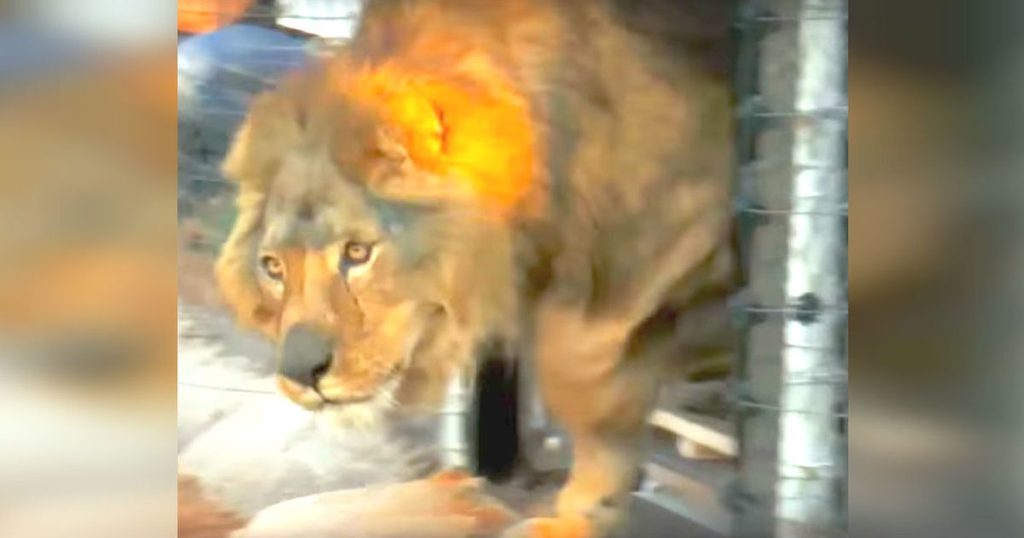
The lions were released into interim enclosures at Lionsrock on a Friday evening in mid-October 2015. “We are so fortunate to have LIONSROCK as a sustainable solution,” Four Paws said in its release.
Grass, Sun and a Second Chance
Four Paws filmed the moment the lions stepped out and took in the African landscape. Gone were the iron bars and hard flooring. In their place were open grassland, fresh air and warm sun, along with regular veterinary checks and a nutritious diet. Lionsrock does not allow hunting, trading or breeding, or any contact between its big cats and visitors.
How You Can Help Big Cats
Rescues like this depend on public support, and there are simple ways to take part:
- Donate to accredited sanctuaries. Giving monthly helps cover food, veterinary care and transport.
- Skip cub-petting and photo attractions. These often feed the same breeding and entertainment industries that created the problem.
- Choose responsible travel. Look for operators who keep a safe distance from wildlife and support conservation.
- Share rescue stories. Awareness helps push for stronger rules on captive wildlife.
Planning an African Wildlife Adventure?
Travelers who want to see big cats in the wild should plan carefully:
- Safari packages. Compare African safari tour packages, South Africa wildlife safaris and eco-friendly game reserve lodges.
- Travel insurance. Review international travel insurance, medical evacuation coverage and trip cancellation insurance before you fly.
- Gear. Look at safari binoculars, telephoto camera lenses and travel vaccination clinics.
- Give back. Consider wildlife conservation donations, adopt-an-animal programs and wildlife biology degrees.
Frequently Asked Questions
Where did the lions come from? They came from the Baia Mare Zoo in Romania, which was closed in 2015 for not meeting EU zoo standards.
Who rescued them? Four Paws International, an animal welfare organization, rescued them after a local veterinarian asked for help and refused to see them put down.
Where do the lions live now? They live at Lionsrock Big Cat Sanctuary in South Africa’s Free State province, which has more than 90 rescued big cats.
How long did the journey take? About 48 hours by road and air, covering roughly 8,000 miles, with veterinarians accompanying the lions the whole way.
Can these lions be released into the wild? No. Lionsrock provides lifelong, species-appropriate care for big cats that cannot be returned to the wild after years in captivity.
Sources: CBS News Los Angeles, GlobeNewswire, the Veterinary Information Network, and FOUR PAWS, all covering the October 2015 rescue of five lions from Romania’s closed Baia Mare Zoo and their transfer to Lionsrock Big Cat Sanctuary in South Africa.
Leave a Reply