• Skip to main content
  • Skip to primary sidebar
  • Skip to footer
  • Home
  • About Us
  • Copyright Report
  • Submit Content
  • Terms
  • Privacy Policy
  • Legal Disclaimer

Hasan Jasim

Hasan Jasim is a place where you may get entertainment, viral videos, trending material, and breaking news. For a social generation, we are the largest community on the planet.

Lithops: The Living Stones of Namibia and South Africa

by Hasan Jasim Editorial Team Leave a Comment

ShareTweet

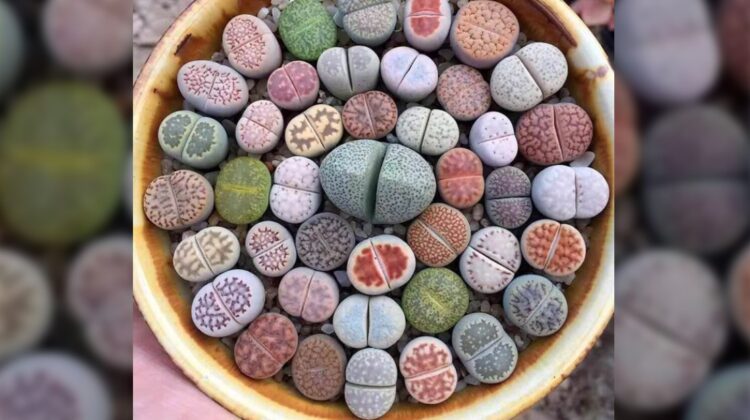
In the arid landscapes of Namibia and South Africa, where stones and sand dominate the horizon, a remarkable plant has evolved to blend in perfectly: the lithops. These succulents, also known as living stones, are masters of camouflage, their plump, fused leaves resembling the rocks and pebbles of their surroundings.
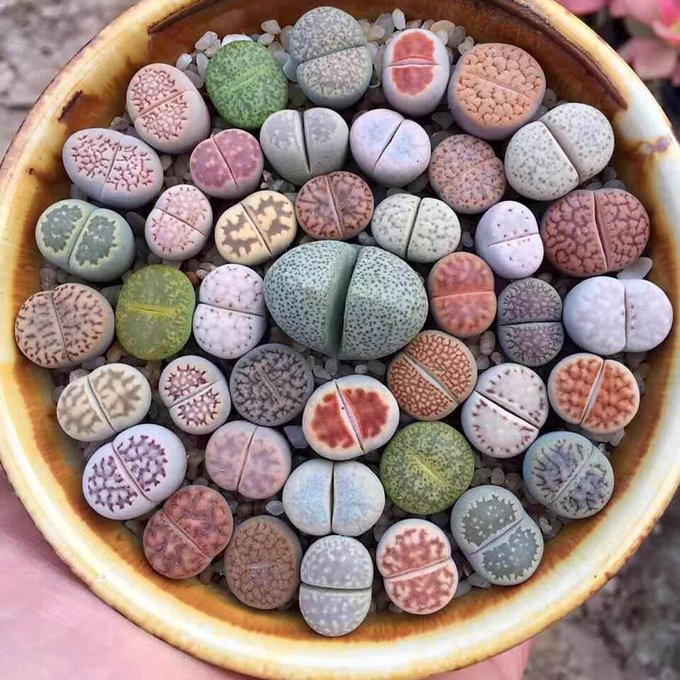
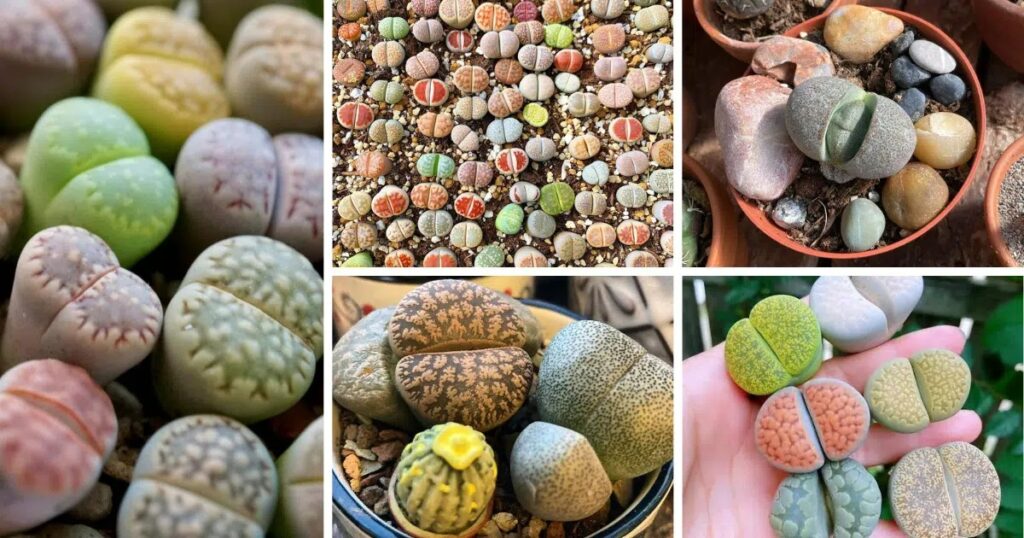
Lithops have evolved to mimic stones for two main reasons: to conserve water and to protect themselves from predators. The waxy coating on their leaves helps to prevent water loss, while their stony appearance makes them difficult to spot by hungry animals.
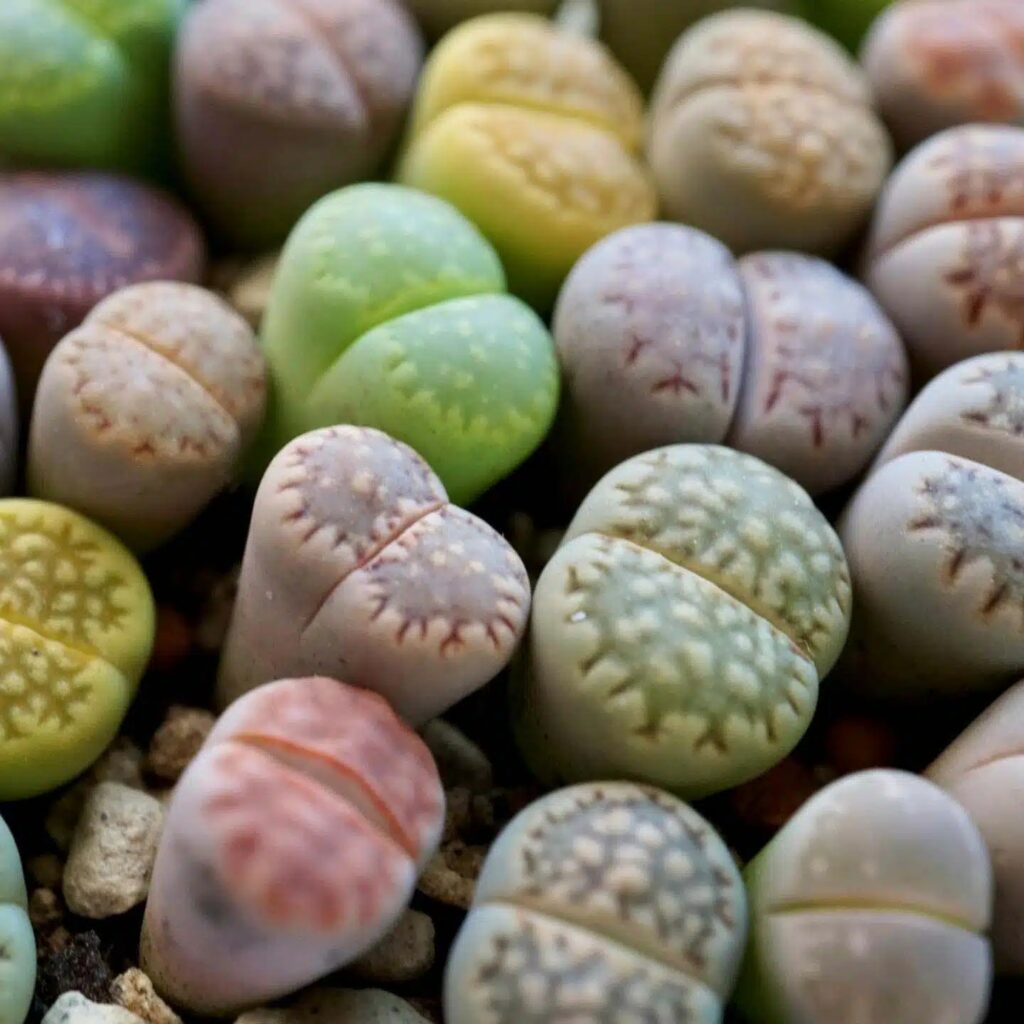
Lithops come in a wide variety of colors and patterns, each one perfectly adapted to its environment. Some lithops are so well-camouflaged that they are nearly impossible to see, even when you are standing right next to them.
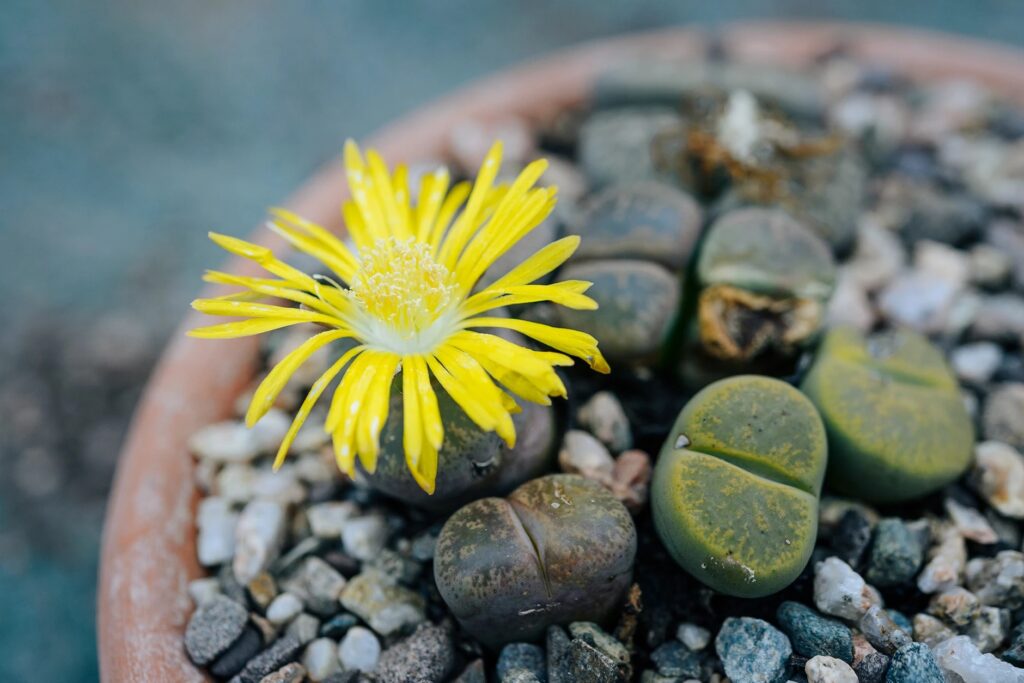
In addition to their remarkable camouflage, lithops are also known for their unique flowering habit. Once a year, during the rainy season, lithops produce delicate daisy-like flowers that emerge from the center of their leaves. The flowers are often brightly colored, contrasting beautifully with the muted tones of the plants’ leaves.
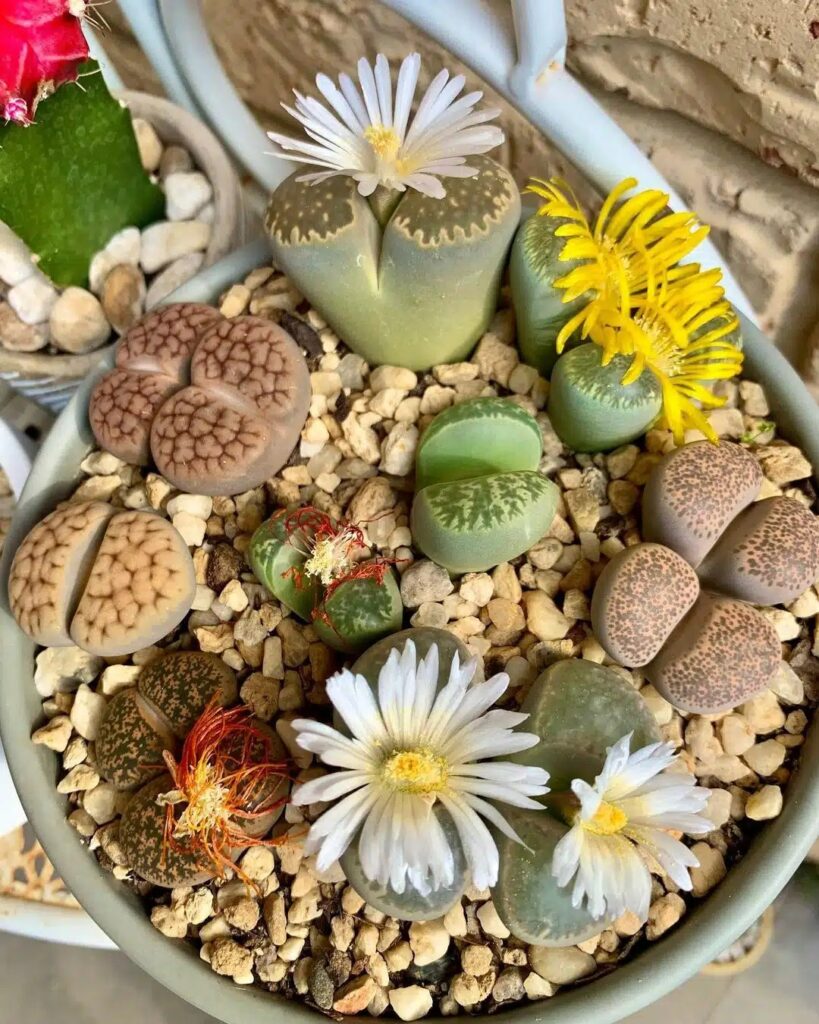
Lithops are fascinating plants that are well-adapted to their harsh environment. Their ability to blend in with their surroundings and their unique flowering habit make them popular among succulent collectors.

Filed Under: Trends Worldwide Tagged With: Africa, lithops:, living, namibia, south, Stones, trends, worldwide

Reader Interactions

Leave a Reply Cancel reply

Your email address will not be published. Required fields are marked *

Primary Sidebar

More to See

Why You Should Never Ever Kill A House Centipede If You Find One Inside Of Your Home

By Hasan Jasim Editorial Team

The Story Behind The “World’s Loneliest House”

By Hasan Jasim Editorial Team

A bereft puppy sits at the door, waiting for her father to return from the hospital

By Hasan Jasim Editorial Team

A Hedgehog Skeleton, In Case You’ve Never Seen One

By Hasan Jasim Editorial Team

Elephant Ear Plant: A Bold and Beautiful Addition to Your Garden

By Hasan Jasim Editorial Team

Recently discovered ‘Dinosaur Mummy’ is so well-preserved it even has the skin and guts intact

By Hasan Jasim Editorial Team

To avert Climate Catastrophe, Woolly Mammoths are being resurrected

By Hasan Jasim Editorial Team

Footer

ABOUT HASANJASIM.ONLINE

Hasanjasim.online is a digital platform dedicated to publishing well-researched articles about the animal kingdom, nature, and the environment. Our editorial team works to source stories from credible outlets, scientific research, and verified reports, aiming to inform as much as we entertain. From wildlife conservation and animal behavior to natural wonders and environmental science, we cover the topics that help readers better understand and appreciate the natural world. Whether you're a lifelong nature lover or simply curious about the planet we share, Hasanjasim.online aims to be a trustworthy destination for stories worth reading — and worth citing.

Recent

  • Napoleon’s Secret Letter Sat Unread for 217 Years — Then an AI Cracked It in About Six Hours
  • Ukrainian Tourists Face Backlash — And Possible Legal Action — After Riding A Nesting Sea Turtle In Oman
  • Scientists Just Named The First New Penguin Species In More Than 100 Years — And It Was Hiding In Plain Sight
  • Veteran Brings Service Dog Back to Prison — And the Dog Remembers Exactly Who Trained Him
  • A Photographer Shared an Unflattering Bird Photo. A Stranger’s Reaction Made It Go Viral.
  • Noah’s Ark Hunters Share First Video From Inside the Mysterious Durupınar Formation
  • Orphaned, Hairless and Afraid: How This Black Bear Cub Became Unrecognizable

Search