
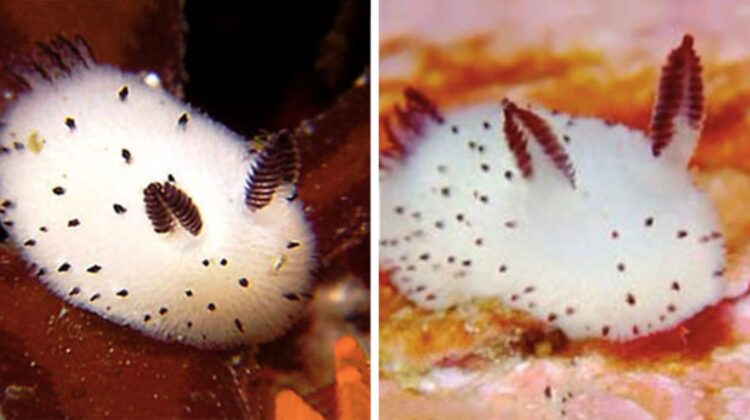
When most people think of slugs, “cute” is rarely the first word that comes to mind. But one tiny marine creature is changing that perception entirely. Jorunna parva, affectionately known as the sea bunny, is a species of sea slug whose appearance has captivated nature lovers around the world.
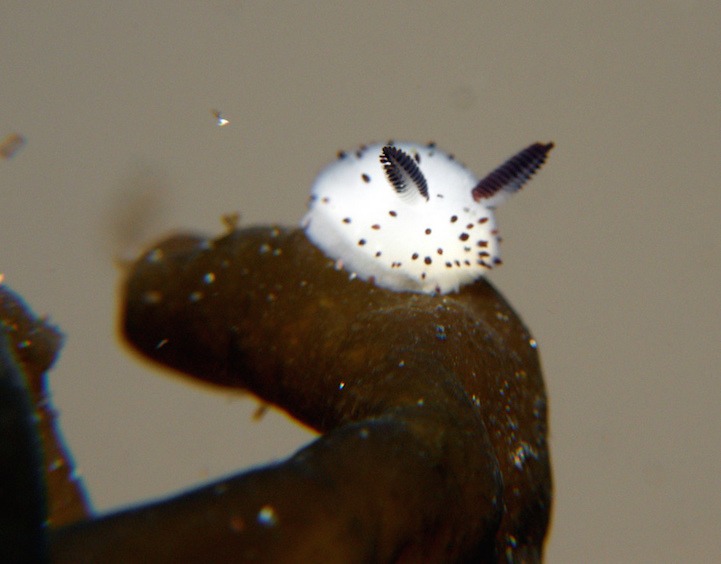
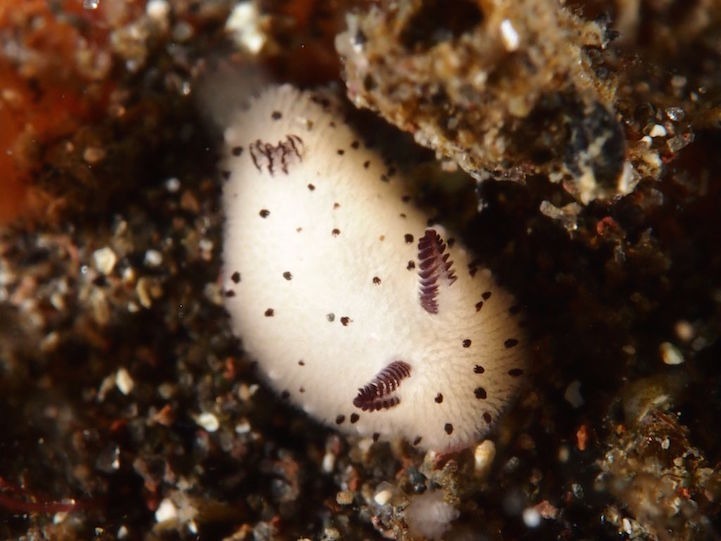
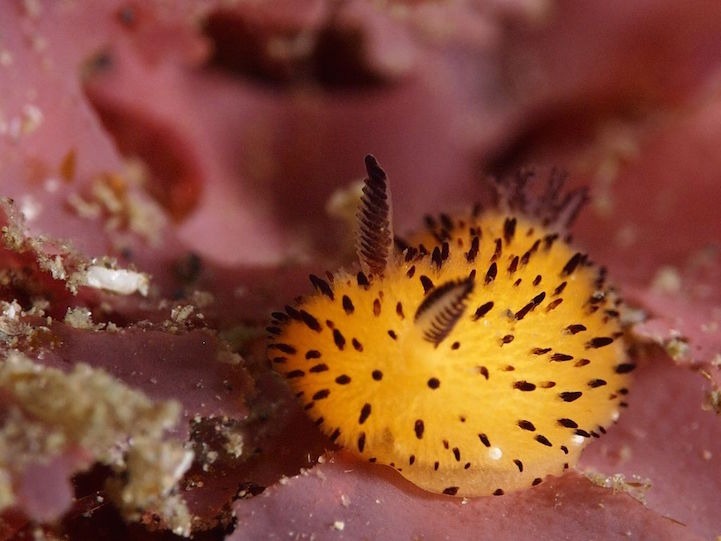
With its soft white or orange body, dotted with black speckles, and two small horn-like structures resembling ears, the sea bunny looks more like a plush toy than a marine mollusk. Add its fuzzy texture and short, bushy tail, and it’s easy to see why so many people have fallen in love with it.
Not Ears — But Powerful Sensory Tools
Despite their bunny-like appearance, sea bunnies don’t actually have ears. The two protrusions on their heads are called rhinophores, specialized sensory organs that allow them to detect chemical signals in the water. These organs help the slug locate food, sense predators, and navigate its environment.
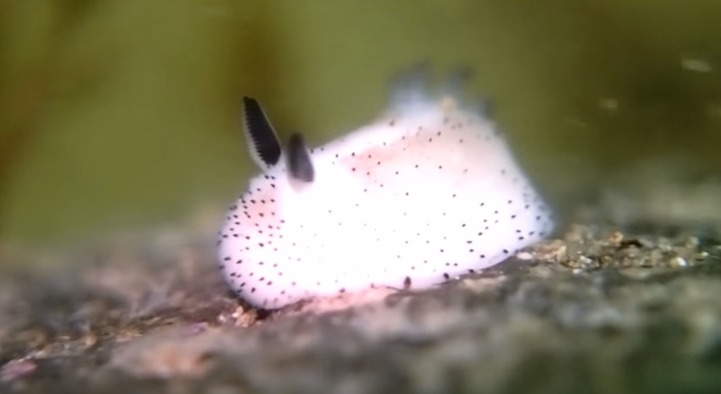
Their “fur-like” appearance isn’t fur at all, but tiny structures called caryophyllidia, which may play a role in defense by releasing unpleasant chemicals when threatened. Cute as they look, sea bunnies are well-equipped for survival in the ocean.
A Star Born Off the Coast of Japan
Sea bunnies are most commonly found in the waters surrounding Japan, where they inhabit shallow coastal regions. Their rise to internet fame began when Japanese divers and underwater photographers started sharing images and videos of the species on social media.
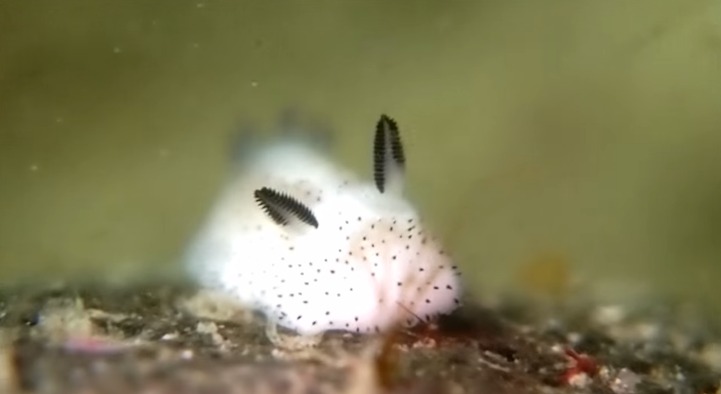
In Japan, Jorunna parva is known as gomafu biroodo umiushi, loosely translated as “black-speckled velvet sea slug.” Divers have also nicknamed it “goma-chan,” meaning “Little Miss Sesame,” a name that perfectly matches its tiny size and speckled pattern.
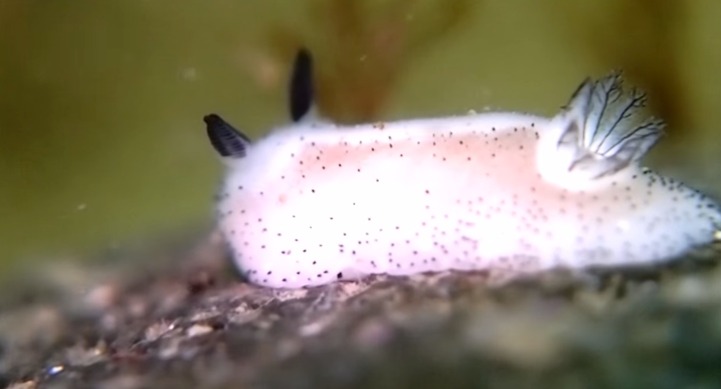
One particularly charming video, filmed by a diver in Japan’s Shizuoka Prefecture, shows a sea bunny gently crawling across the ocean floor, its rhinophores swaying as it moves—an unexpectedly delightful sight that quickly went viral.
Why Sea Bunnies Matter Beyond Their Cuteness
While sea bunnies may seem like little more than an internet sensation, they are an important part of marine ecosystems. As nudibranchs, they help regulate sponge populations and serve as indicators of ocean health. Their presence reflects biodiversity in coastal waters, which is increasingly threatened by pollution, climate change, and habitat destruction.
The sudden fascination with sea bunnies has also helped spark broader interest in marine biology, underwater photography, and ocean conservation—proof that even the smallest creatures can inspire curiosity and care for the natural world.
A Small Creature With a Big Impact
The sea bunny reminds us that nature is full of surprises. Hidden beneath the waves are creatures so strange, delicate, and beautiful that they challenge our assumptions about life on Earth. In a time when many marine species face growing threats, moments of wonder like this can be powerful motivators for conservation and education.
Sometimes, protecting the ocean begins with simply falling in love with what lives there.
Leave a Reply